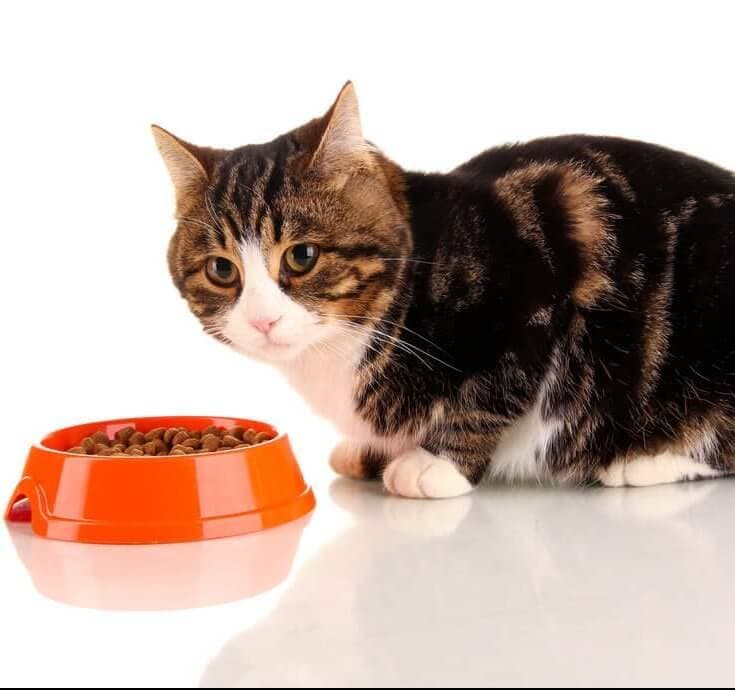
No pet food can promise a life without illness or veterinary treatment. Good nutrition supports health, but a suitable diet depends on species, life stage, activity and medical needs.
Start with nutritional adequacy
Look for a clear statement that the food is complete for the intended species and life stage. In the United States, the FDA explains how "complete and balanced" claims relate to AAFCO nutrient profiles or feeding-test procedures. AAFCO does not personally approve every product carrying a reference to its standards.
Foods labeled for intermittent or supplemental feeding should not automatically become the entire diet. Treats, toppers and plain meat can be useful in limited roles but are not necessarily balanced meals. Cats and dogs have different requirements, and kittens and puppies need diets suitable for growth.
Read percentages in context
Protein and fat figures cannot be compared fairly without considering moisture, energy density and how the values are expressed. A wet food can show a much lower percentage on the label than a dry food largely because it contains more water. That alone does not establish that it supplies less of a nutrient relative to calories consumed.
Avoid selecting food from an invented universal protein target or an isolated ingredient percentage. Ask your veterinary team to explain a comparison if you are unsure. Medical conditions can also change what is suitable, making an otherwise adequate food inappropriate for a particular patient.
Ask useful questions about the manufacturer
The WSAVA nutrition toolkit encourages owners to look beyond marketing and ingredient-list appeal. Ask who formulates the food, what qualifications they hold, how quality control is performed and whether the company can provide meaningful nutritional information. Clear answers are more useful than words such as "premium" or "natural" on their own.
Keep the product and batch details if a problem develops. Persistent vomiting, diarrhea, itching or loss of condition needs an assessment; repeatedly changing brands can obscure the pattern without resolving the cause.
Portions need monitoring
Use the feeding guide as a starting point, then adjust with body condition, weight trends and professional advice. Appetite alone is not a dependable measure of need. Some pets readily overeat, while illness, pain or stress can reduce intake even when food is available.
Measure food and include treats in the daily total. In a multi-pet home, separate meals when necessary so you know who eats what. Fresh water should remain available. Do not add oils, calcium or vitamins casually to a complete diet, because extra ingredients can change its balance and energy content.
Diet and medical care work together
A homemade diet needs a properly formulated recipe from a suitably qualified veterinary nutrition professional. Meat, cereal and vegetables combined by intuition may leave important deficiencies. Raw food also brings hygiene and infection considerations that should be discussed before use.
Do not dismiss a cat's refusal to eat as a supposed natural 28-hour feeding cycle. A marked reduction in intake deserves prompt veterinary advice, and kittens or unwell pets may need attention sooner. Never replace prescribed treatment with a promise that the right food will cure every disease.