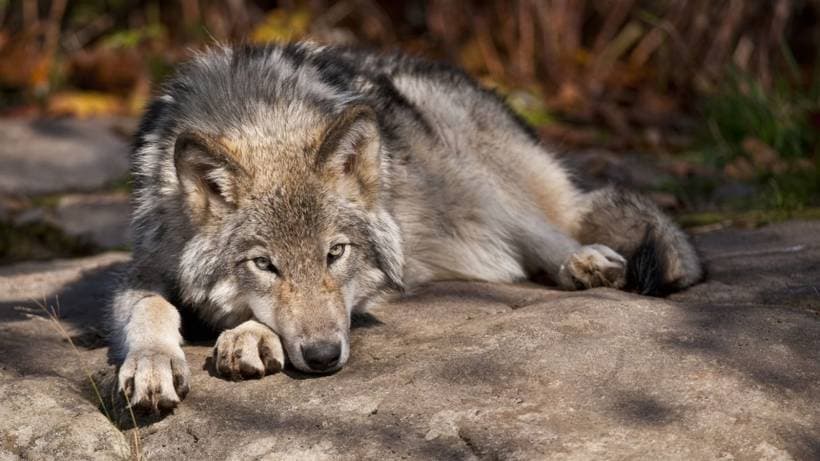
The Siberian Husky is a domestic working dog whose wolfish appearance often attracts attention. A successful home begins with the dog's real needs rather than the image attached to the breed.
Appearance does not define behavior
A Husky is not a wolf hybrid simply because it has erect ears, a thick coat or pale eyes. Nor does its appearance make it an automatic guard dog. Many enjoy meeting people, while others are more reserved. Temperament depends on the individual, its background, health and experiences.
Huskies should never be treated as babysitters. Supervise interactions with children, teach respectful handling and provide a resting area that nobody invades. A friendly dog can still become overwhelmed by noise or rough play, and a quick movement can knock over a small child without any intention to harm.
Make escape prevention practical
The American Kennel Club highlights the Husky's tendency to explore and escape. Check under gates, along fences and around objects that could become climbing steps. Do not assume a previous dog's boundary arrangements will be sufficient. A secure entrance routine matters when visitors, deliveries or children open doors.
Use a lead outside securely enclosed areas unless conditions and the individual dog's reliability truly justify otherwise. Recall practice is valuable, but a dog that comes indoors may still chase wildlife or run towards an interesting sight. Identification details should be kept current even when you take containment seriously.
Exercise with a plan
Provide walks, opportunities to sniff and suitable activities alongside training and rest. More distance is not always the answer to restlessness. A dog also needs to learn how to settle, tolerate ordinary delays and spend manageable periods alone.
Build fitness gradually and adapt activity to age, health and conditions. Growing dogs need movement without repetitive forced endurance work. In warm weather, choose cooler times, provide water and watch for signs of distress. A Husky's coat does not eliminate the risk of overheating, and an enthusiastic dog may need you to end the session.
Living with a thinking dog
Use consistent cues and rewards that matter to your dog. Practice useful skills in easy settings before expecting them around other dogs, scents or fast movement. Avoid the assumption that independence means the dog needs harsher treatment. If training repeatedly fails, review the difficulty and reward rather than escalating pressure.
Introduce time alone in small steps. Pacing, howling, destruction or attempts to break out may reflect distress, inadequate preparation or other needs. Record when the behavior happens and seek help from a veterinarian or qualified trainer when necessary. Getting another dog is not a guaranteed solution and adds another set of responsibilities.
Food and coat care
Choose a complete food appropriate to life stage and activity. A Husky does not require an invented fixed percentage of meat or protein simply because its ancestors worked in cold climates. Homemade diets need professional formulation; meat and cereal mixed by eye can leave nutritional gaps.
Measure portions and adjust them using body condition and veterinary advice. Keep treats within the overall plan. A dog eating less than another breed is not a reason to dismiss a sudden loss of appetite or a change in weight.
Brush the double coat regularly and expect heavier seasonal shedding. Work gently, inspect skin and paws after outings, and introduce grooming tools with rewards. Budget time for cleaning and coat care before a puppy arrives rather than assuming a northern breed maintains itself.
A realistic match
Ask a breeder or rescue about health records, behavior around other animals and the support available after adoption. Small pets may require secure separation, and compatibility should never be assumed from a breed description. Meet adult Huskies if possible to see the strength, noise and shedding beyond the puppy stage.