
A small size, soft ears or a familiar movie appearance does not tell you whether a dog suits your home. Any dog may bite when frightened, hurt or overwhelmed. These ten breeds illustrate different needs that can be overlooked; they are not a ranking of danger or a prediction about an individual pet.
1. Chow Chow
A Chow’s plush coat can invite strangers to reach out. Allow the dog to choose whether to approach and avoid surprise handling. Discuss grooming tolerance and responses to visitors with the breeder or rescue. A reserved individual needs respectful space, not pressure to accept affection.
2. Dalmatian
The spotted coat attracts attention, but daily activity and training need equal consideration. Ask about the adult routine, settling behavior and relevant health checks. Teach calm greetings before a growing dog’s excitement becomes difficult for children or visitors to manage.
3. Bull Terrier
A playful expression should not distract from strength and enthusiasm. Plan appropriate games, clear household routines and gradual introductions to other animals. Assess compatibility individually; neither appearance nor a story about the breed establishes how a particular dog will behave.
4. Dachshund
A Dachshund is a dog with a hunting background, not simply a small lap ornament. Respect its interest in scent and provide suitable outlets. Teach children to avoid grabbing or carrying it, and ask for a demonstration of supported handling when lifting is necessary.
5. Cocker Spaniel
Soft ears do not make unwanted touch comfortable. Build grooming and examination skills gently, and investigate pain when behavior changes. Claims that Cocker Spaniels inevitably have a genetic aggression problem are not a fair assessment of the individual dog.
6. Beagle
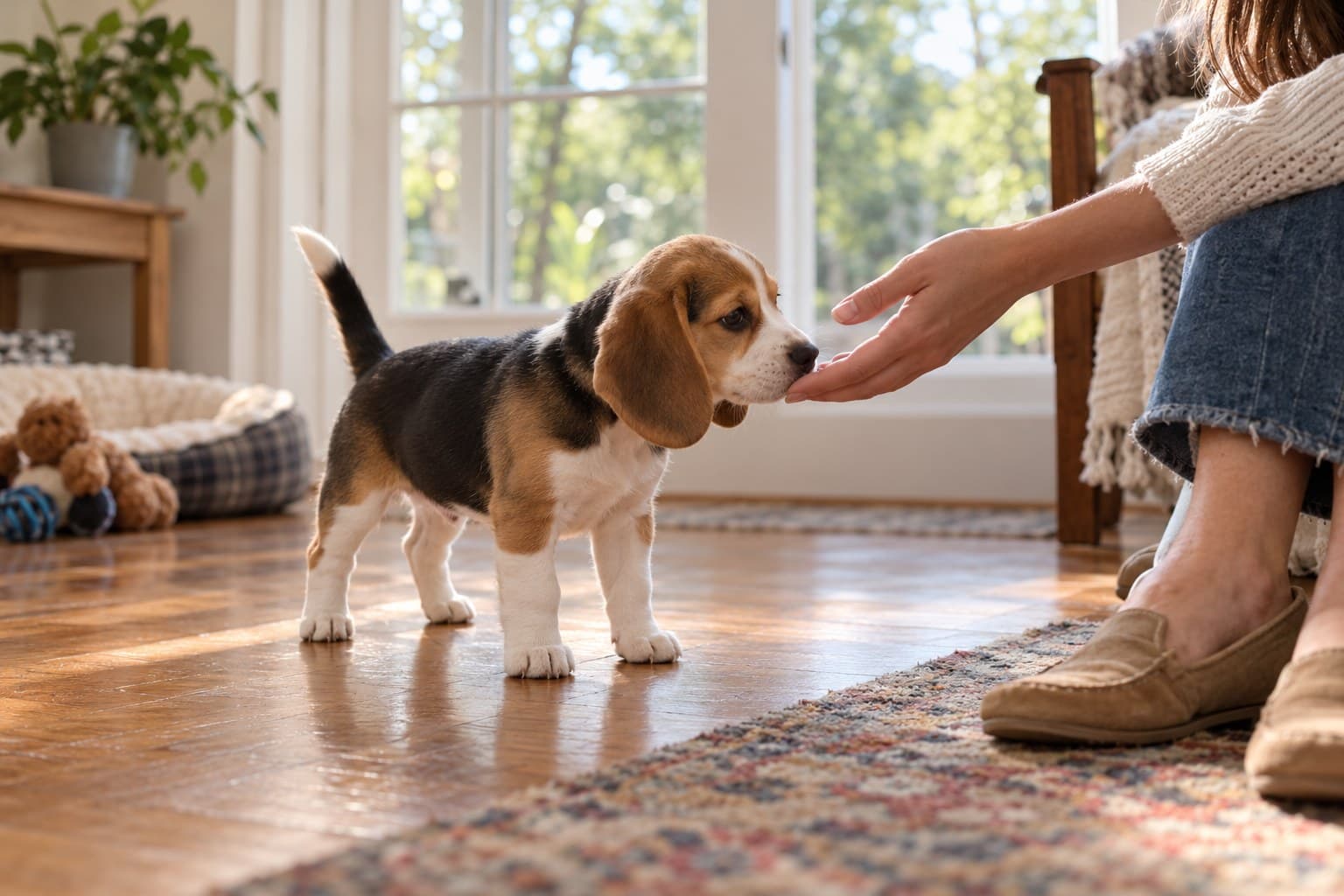
A scent-focused dog may become absorbed in its surroundings. Practice recall in secure places and check gates before allowing freedom. Use food searches and sniffing opportunities constructively. A dog following an interesting smell has a training need, not a moral failing.
7. Pekingese
A compact companion still needs choice about handling and rest. Avoid crowding its face, watch comfort during activity and take breathing difficulty seriously. Small dogs benefit from training on the ground rather than being picked up whenever people want to move them.
8. Shar-Pei
Distinctive folds make this breed recognizable but say little about comfort with strangers. Discuss skin, eye and general health care with knowledgeable professionals. Set up visitor routines that allow distance and teach handling in small, rewarded steps.
9. Jack Russell Terrier
A small terrier can bring considerable energy and persistence. Offer appropriate exploration, play and training while protecting smaller pets from chasing. Exercise is only part of the plan: learning to pause and settle matters as well.
10. Chihuahua
A tiny dog can feel vulnerable when someone looms over it or lifts it unexpectedly. Provide a safe resting place and let greetings happen calmly. Do not dismiss growling because the dog is small or treat defensive behavior as entertainment.
Watch the situation, not just the breed
Freezing, turning away, trying to leave or growling can signal discomfort. Stop the interaction and provide space rather than punishing the warning. Pain and illness can alter behavior, so a sudden change should prompt a veterinary examination.
Children should leave dogs alone while eating or sleeping and avoid hugging, climbing on or cornering them. An adult must actively supervise interactions. When attention is elsewhere, a secure barrier is more reliable than an assumption that a family pet will tolerate everything.
During a visit, ask the owner before approaching and accept a refusal. Give a resting or worried dog room rather than trying to win it over. Calmly ending an interaction early is a useful skill for visitors as well as the people who live with the animal.
Choose and train thoughtfully
Ask for examples of behavior around people, pets and handling, and disclose your household routine honestly. A qualified reward-based trainer can help build skills and assess difficulties. Keep a dog with a bite history or serious fear out of situations likely to repeat the problem while professional help is arranged.
For training methods, consult the AVSAB position statements. The useful question is not whether a breed looks harmless, but whether the individual dog’s needs, history and management requirements fit the care you can provide.