The Japanese Akitainu is a substantial spitz-type dog with upright ears, a curled tail and a dense coat. It is admired for dignity and close relationships with familiar people, but poetic descriptions of a samurai spirit are not a guide to daily care. Choosing one requires a realistic understanding of the individual and the breed's needs.
Know the breed and the dog
The AKC Japanese Akitainu profile describes an independent and reserved breed. Japanese Akitainu and American Akita terminology differs between registry systems, so check the relevant standard when discussing pedigree or exhibition. Do not assume every dog called Akita has the same background or appearance.
Reserve around unfamiliar people is not a reason to force contact. Provide gradual positive experiences with room to retreat, and teach calm handling before it becomes necessary at a veterinary visit. A dog can be devoted to its family while finding particular situations difficult.
Family life and other animals
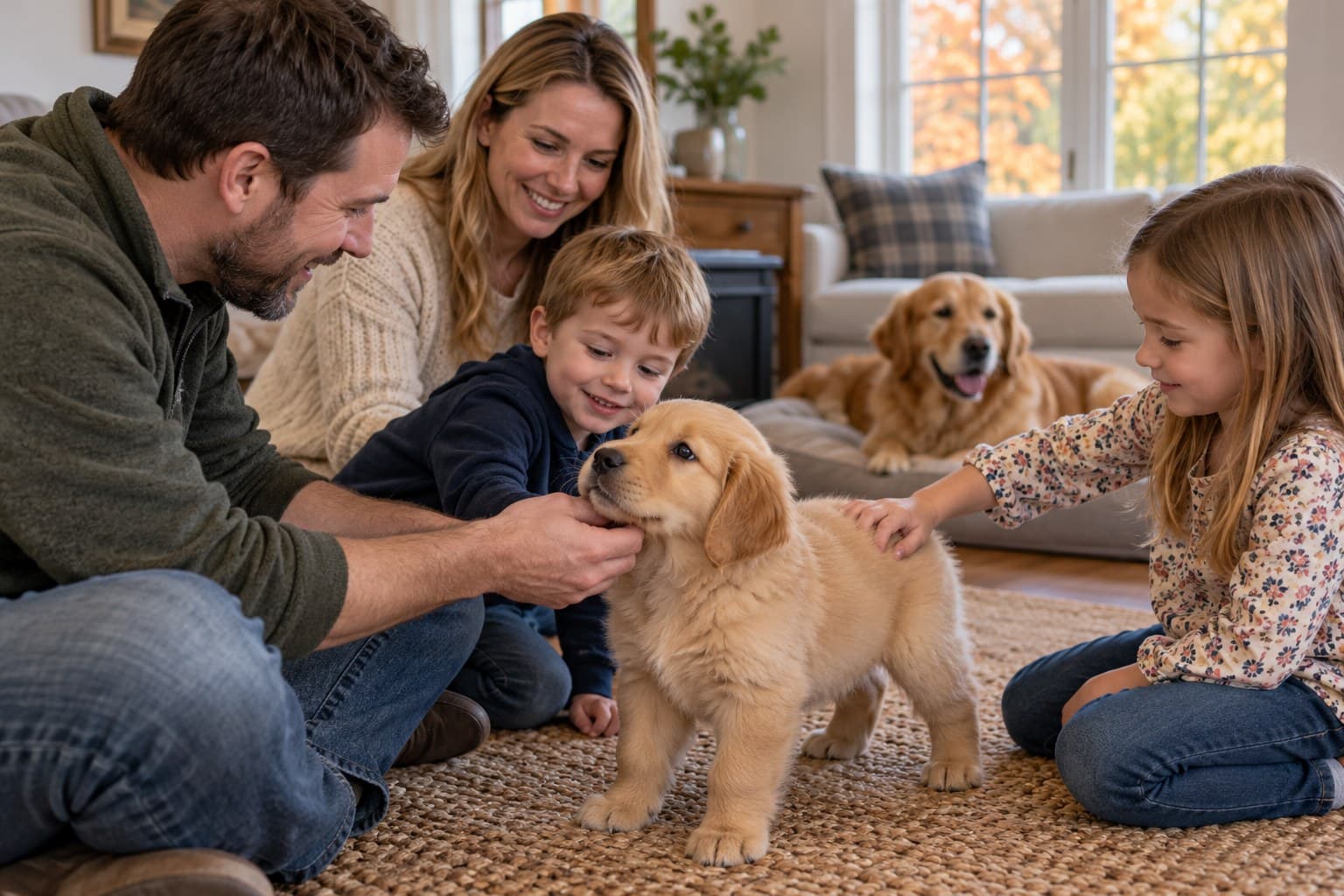
An Akita should never be treated as a babysitter or expected to tolerate a child's mischief. Adults must supervise interactions and provide separate spaces for meals and rest. Teach children not to climb, hug or disturb the dog, and intervene before excitement or discomfort escalates.
Compatibility with other dogs and smaller animals needs individual assessment. Secure management and careful introductions matter, especially where chasing or tension has occurred. A claim that the dog will always be friendly to anyone it remembers is not a reliable safety plan.
Training and suitable activity
Use clear cues, rewards and short sessions to teach recall, loose-leash walking and settling. Physical intimidation does not create understanding. If the dog struggles, consider distractions, discomfort and the difficulty of the task before calling it stubborn.
Provide daily activity suited to age and health, along with sniffing, enrichment and quiet rest. Use secure areas for off-leash exercise and do not rely on an uncertain recall around traffic or wildlife. Build comfort with time alone gradually and arrange support when needed.
Coat care and health
Brush through the dense coat and prepare for heavier shedding periods. Include nail care, dental attention and comfortable examination of ears and paws. Ask a responsible breeder for relevant health-screening reports and discuss preventive care with your veterinarian.
Meet adults before deciding and plan for handling a strong dog during illness, travel or changes in routine. The most rewarding match comes from meeting practical needs consistently, rather than expecting a legendary reputation to produce an effortless companion.