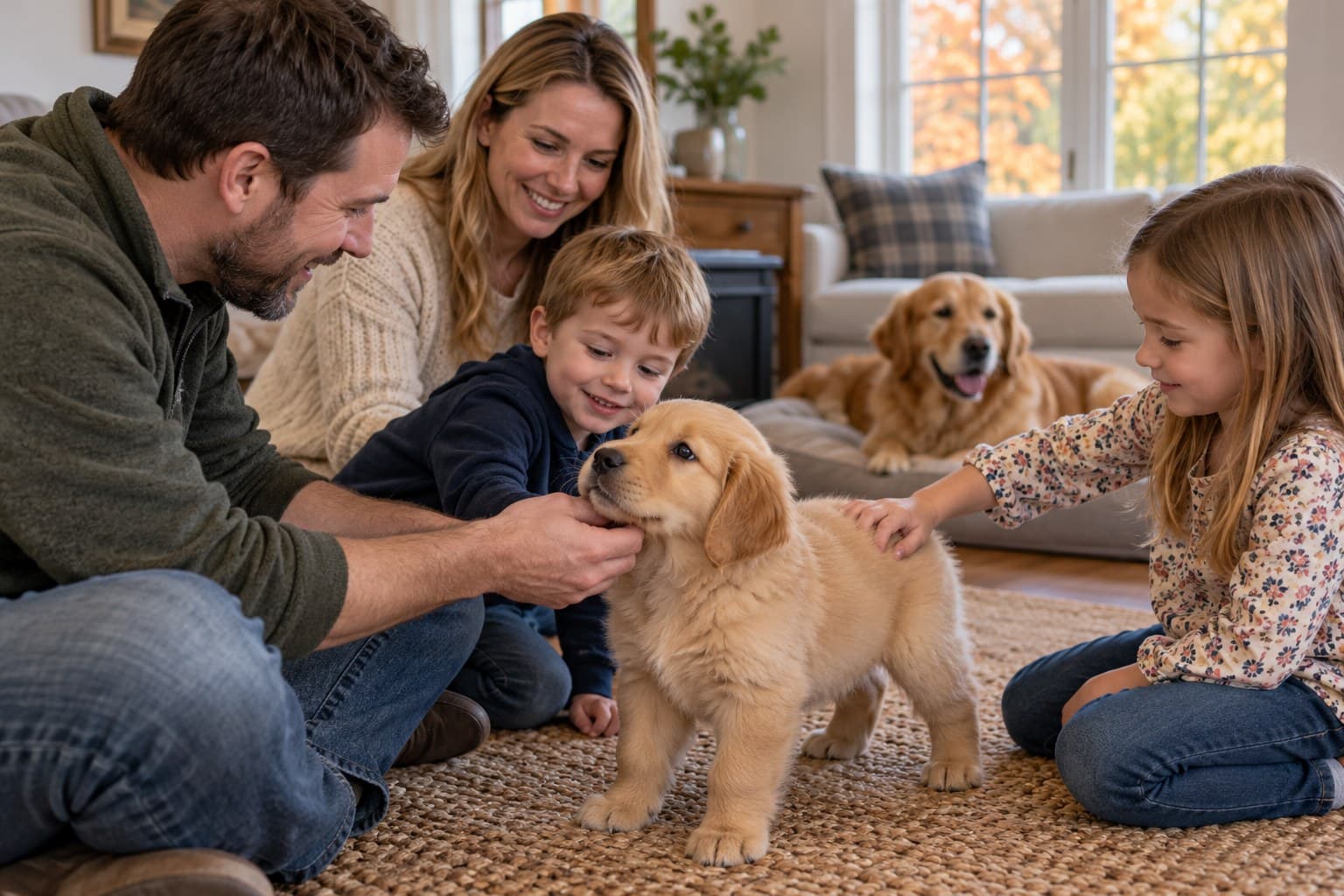
Puppy training begins with everyday experiences, not a test of who is in charge. A young dog is learning household routines and how people behave. Predictable routines and rewards make those lessons clearer. Hanging a puppy by its collar, jerking its neck or pinning it down can cause harm and should never be used as training methods.
Prepare a safe resting area, suitable toys and barriers that prevent access to hazards. Agree on household rules so that different people do not reward and punish the same behavior. Keep expectations appropriate to the puppy's age and remember that tiredness, fear and discomfort can affect its ability to learn.
Make small successes easy
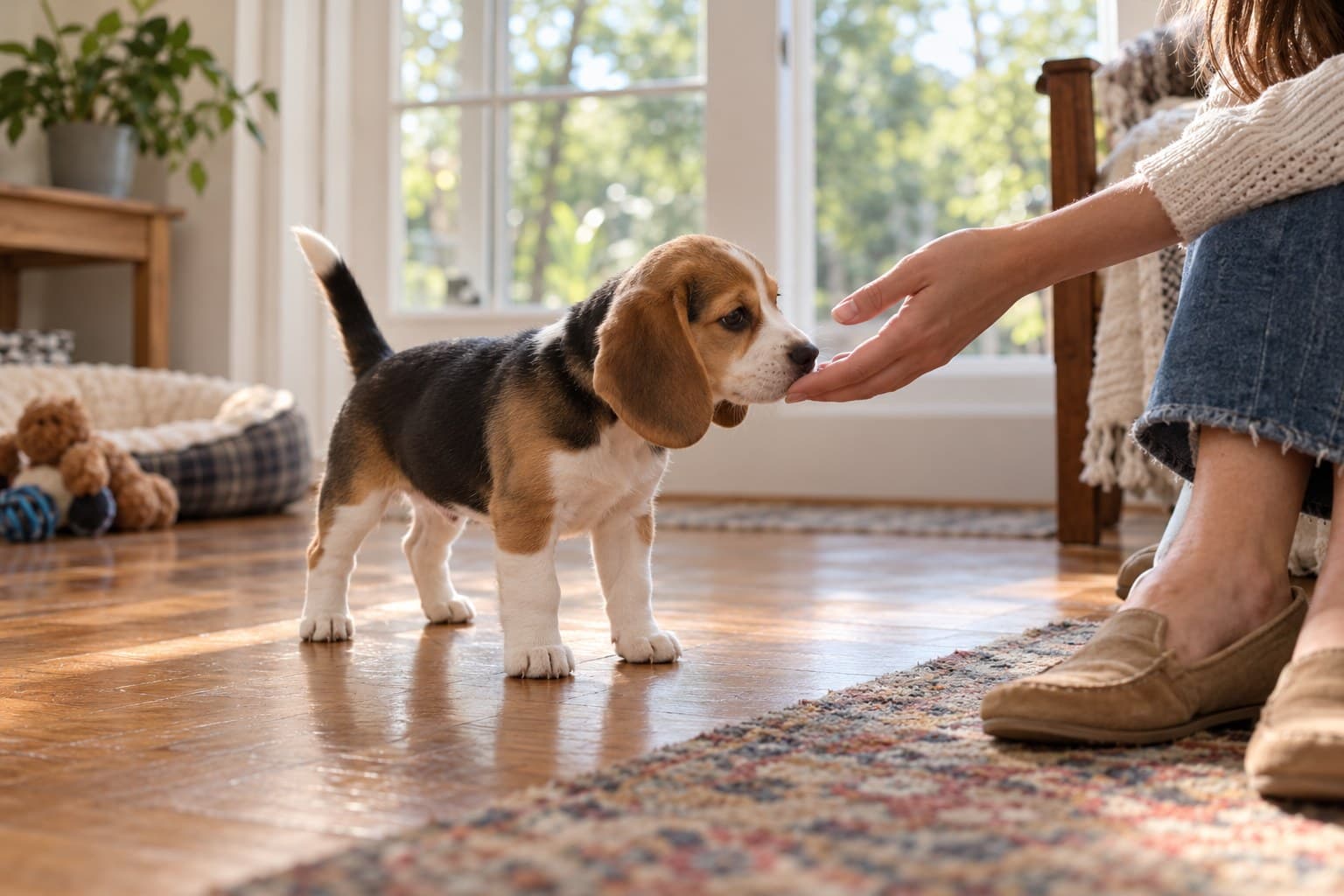
Choose a quiet place and practice one simple skill at a time. Say the puppy's name, reward attention and gradually build toward coming when called. Keep sessions brief and finish before frustration develops. Use food, play or another reward the puppy enjoys, without withholding normal meals to force cooperation.
For outdoor recall practice, use a secure area or a suitable long line attached to a comfortable harness. Reward the return rather than scolding for the delay. Increase distractions gradually. Repeatedly calling when the puppy is unable to respond can make the cue less useful, so arrange easier practice instead.
Toilet habits and rest
Offer frequent toilet opportunities, especially after waking, eating and active play. Accompany the puppy and reward promptly when it uses the chosen area. Supervise indoors and clean accidents calmly. Punishment after an accident does not explain where the puppy should go and may make it reluctant to toilet near you.
Adjust timing as you learn the puppy's pattern, and seek veterinary advice for unusual frequency, straining or sudden changes. Protect sleep with a quiet space and teach family members not to disturb the puppy there. Overtired puppies often need a break rather than another lesson.
Socialization with sensible precautions
AVSAB's puppy socialization statement supports appropriate early experiences before the vaccination series is complete. Ask your veterinarian how to balance learning opportunities with local disease risk. Socialization can include observing people and traffic from a safe distance, hearing ordinary household sounds and meeting suitable known dogs under controlled conditions.
Avoid overwhelming crowds and uncontrolled contact with unfamiliar dogs. Disease exposure is not limited to visibly stray animals; contaminated environments can also matter. Choose a well-managed puppy class with health requirements if your veterinarian agrees. Let the puppy approach gradually and retreat when worried instead of forcing it through a frightening encounter.
Handling and objects
Pair gentle touches to paws, ears and equipment with rewards, building slowly toward grooming and examinations. Stop before the puppy struggles and make the next attempt easier. Mouthing can be redirected to an appropriate toy, with calm breaks when excitement rises. Persistent pain, fear or intense biting deserves professional assessment.
Teach exchanges using safe, low-value objects and a reward worth giving them up for. Do not chase the puppy or routinely wrench items from its mouth. Prevent access to dangerous objects; if it swallows something hazardous or appears to choke, contact emergency veterinary care rather than trying to turn the crisis into a lesson.
Get help early
A suitable trainer explains methods clearly, works at the puppy's pace and helps the family practice. Seek support before a recurring problem becomes difficult to manage. Progress is rarely perfectly straight, but a consistent routine of safety, rewards and rest gives the puppy a strong foundation for life with people.