
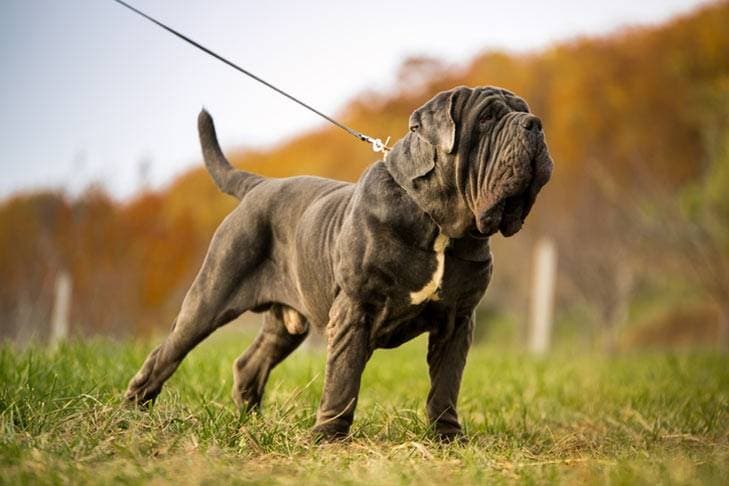
A Neapolitan Mastiff is a major practical commitment. Its size, strength, loose skin and close involvement with household life can be rewarding for a prepared owner, but they also create daily responsibilities. Decide by examining your routine and resources rather than relying on the breed's imposing appearance.
Make it a household decision
Everyone responsible for the dog should agree about care, visitors, exercise and costs. An unwanted surprise puppy is not a sound starting point. Talk honestly about allergies, noise, drool, cleaning and the space needed for a very large dog to rest without being constantly disturbed.
Children liking dogs is not enough to establish a safe match. Adults must supervise, teach respectful interaction and prevent climbing, hugging or interference with food and sleep. No breed can promise never to hurt a child, even accidentally. Plan a retreat and barriers before the dog arrives.
Check space and access
A huge garden is not a substitute for companionship and walks, but the home still needs to accommodate the adult dog's body. Consider narrow stairs, slippery floors, doorways and access to a suitable toilet area. A supportive bed and nonslip routes can help as the dog grows or ages.
Think about transport before an emergency occurs. Can the dog enter your vehicle comfortably, and could you obtain help if it could no longer walk? Practice using a suitable ramp and safe restraint in gradual steps. A puppy that is easy to lift may soon become impossible for one person to carry.
Confirm housing and insurance requirements for your situation. Do not assume that a friendly individual removes a landlord's restrictions or that a policy automatically covers liability. Get practical questions settled before paying a deposit.
Allow time for training and company
Teach loose-leash walking, waiting at doors, settling behind a barrier and cooperative handling while the dog is young. Use clear rewards and patient repetition. An adult Mastiff's strength makes it especially important to have skills in place before a difficult encounter.
Introduce visitors and unfamiliar environments without forcing the dog to accept contact. Being reserved does not make threatening behavior harmless. If fear, guarding or aggression develops, seek qualified help early. Do not encourage a pet to confront people as a demonstration of loyalty.
Work travel or long hours do not automatically rule out ownership if reliable care is available, but those arrangements must be realistic. Practice comfortable periods apart and identify a caregiver who can manage the dog safely. Another pet is not an automatic cure for separation distress.
Plan for health and expenses
Food, medicines, equipment and transport can cost more for a very large dog. Budget for preventive care and unexpected treatment, and explore insurance terms or savings before a problem arises. Adoption may reduce an initial purchase cost but does not make ongoing care inexpensive.
Ask breeders about relevant health screening and the health of relatives, including joint, eye and heart concerns. Obtain actual records and review them with a veterinarian. An impressive pedigree, a large head or a calm visit cannot guarantee a healthy adult.
Skin folds need regular observation and suitable care. Report persistent redness, odor, eye irritation or difficulty moving. Learn what to do for urgent problems such as a swollen abdomen with repeated unsuccessful retching, collapse or difficult breathing. A veterinary plan is more useful than a promised lifespan.
Assess the individual match
Compatibility with existing animals varies. Arrange careful introductions and have enough space for secure separation when needed. A rescue familiar with an adult dog may be able to explain established habits, handling tolerance and known medical needs more clearly than a brief advertisement.
Meet adult Neapolitan Mastiffs and ask owners about ordinary days, not just their favorite moments. Consider whether you can maintain the routine during illness, bad weather or changes in work. Choosing a different dog, or postponing ownership, can be a responsible decision. The right match is one whose needs your household can meet consistently throughout its life.


