Dogs can learn at many ages. An adult may arrive with established habits, but it is misleading to assume training will always be much harder than with a puppy. Health, previous experience, motivation and the way lessons are arranged all matter. Start with useful household skills and build them in small steps.
Prepare a setting for success
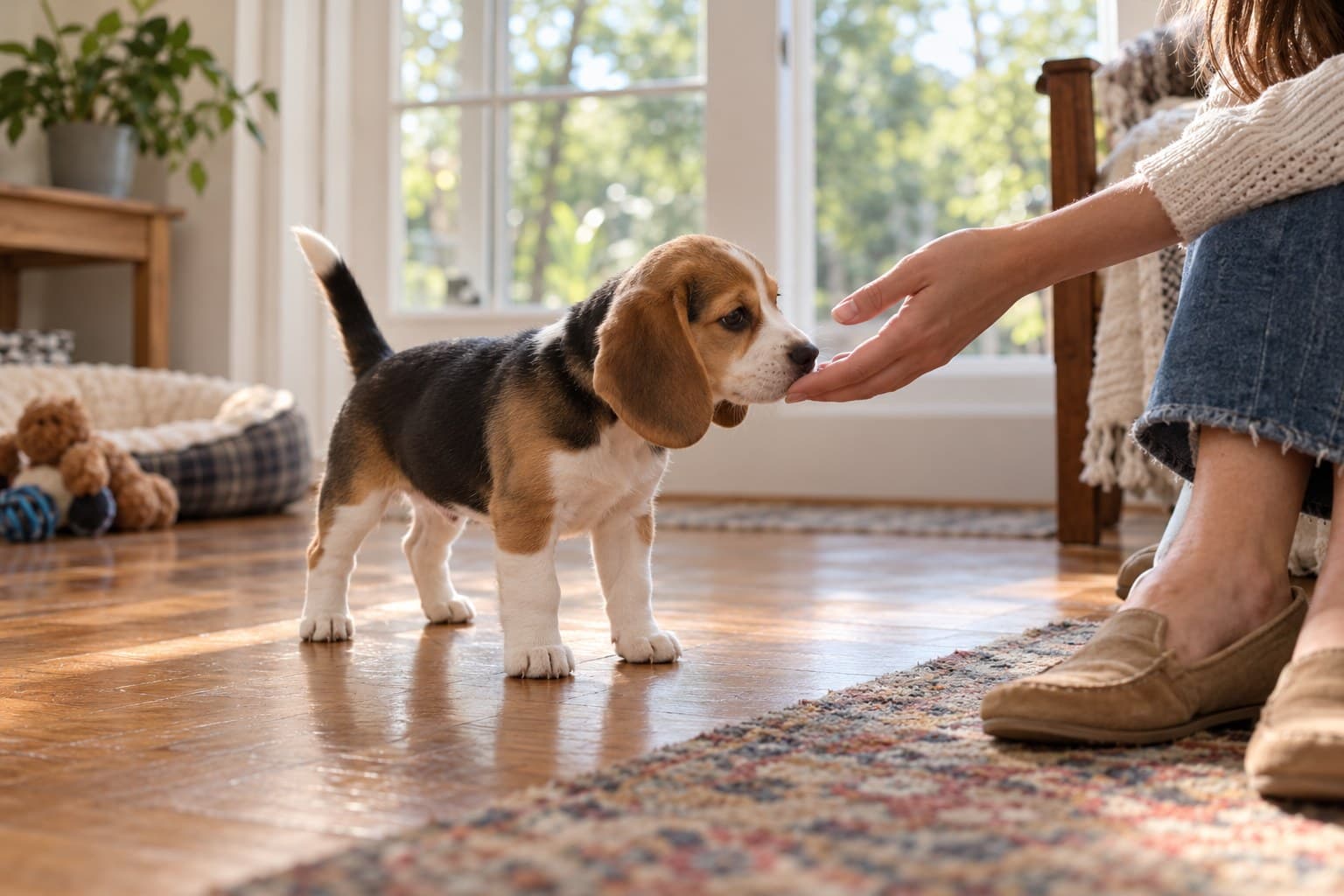
Choose a quiet space with comfortable footing and few distractions. Have small rewards ready and decide on one simple task. A familiar word such as "yes" or a clicker can mark the moment the dog succeeds, followed promptly by a reward. Introduce that marker consistently so its meaning becomes clear.
Sessions can be brief and repeated during ordinary routines. Stop while the dog is still engaged rather than aiming for a fixed long lesson. If it repeatedly walks away, becomes restless or cannot perform an easy task, consider fatigue, discomfort, distraction or whether the reward is worthwhile.
Use rewards without force
The American Veterinary Society of Animal Behavior recommends reward-based training. A dog does not need to be shouted at, pushed into position or corrected with a lead jerk to learn a cue. Arrange the exercise so the desired behavior is likely, then reward it.
Say a cue clearly once when the dog is ready to understand it. Repeating it louder does not necessarily make the meaning clearer. When an attempt fails, reduce the difficulty or help with a familiar hand signal, then reward the next successful step. Avoid treating confusion as defiance.
Teach a comfortable sit
Hold a small reward near the dog's nose and move it gently so the dog naturally follows into a sit. Mark and reward as the bottom reaches the floor. If the dog backs away or jumps, adjust your hand position and try an easier movement rather than pressing down on its body.
Once the movement is familiar, add the verbal cue before the hand signal. Gradually make the lure less obvious and reward from your other hand or a nearby container. A dog that finds sitting uncomfortable should be checked for pain; another position may be more suitable while you seek advice.
Practice lying down and settling
From a comfortable position, guide the dog towards a down with a low hand movement and reward small progress. Never force the shoulders to the floor. Some dogs find this easier on a soft mat or by rewarding a down they offer naturally.
A settle is more than briefly touching the floor. Reward relaxed behavior on a mat, first for a moment and then for slightly longer periods. Keep the setting easy and release the dog before it becomes frustrated. This skill can help during meals, visitors or quiet work at home.
Build a happy recall
Begin a few steps apart in a secure room. Say the recall cue in a friendly tone, move invitingly and reward the dog when it reaches you. Occasionally let it return to what it was doing so coming to you does not always predict the end of enjoyment.
Increase distance and distraction separately. Outdoors, use secure fencing or an appropriate long line while practicing. Do not test an unproven recall near roads, livestock or wildlife. Avoid punishment after the dog returns, even if it took longer than you wanted; you want arriving beside you to remain worthwhile.
Make walking easier
Reward the dog for being near you while the lead is loose. Begin with a few steps in a quiet place and change direction gently before it rushes ahead. A useful everyday walk can include sniffing and does not require a constant formal heel position.
If the dog pulls towards something, stop or create distance and restart when it can respond. Do not shorten the lead so much that tension becomes unavoidable. Equipment should fit comfortably and securely, with training focused on what the dog should do rather than simply restraining every movement.
Transfer skills into daily life
Practice with different rooms, family members and modest distractions, keeping expectations realistic. A cue learned beside the kitchen table may need fresh practice in a park. Agree on the same words and rewards within the household so the dog receives a consistent message.
Keep notes of what the dog can do comfortably and what makes the task harder. Progress may be uneven after a move, illness or a change in routine. Revisit easier steps when needed rather than increasing pressure. If behavior changes suddenly, consider a veterinary check.
For fear, aggression, persistent distress or behavior that puts someone at risk, seek a qualified professional who uses humane methods. Home training can build valuable habits, but it is not a reason to handle every complex problem alone. The aim is a dog that understands useful choices and feels safe learning with you.