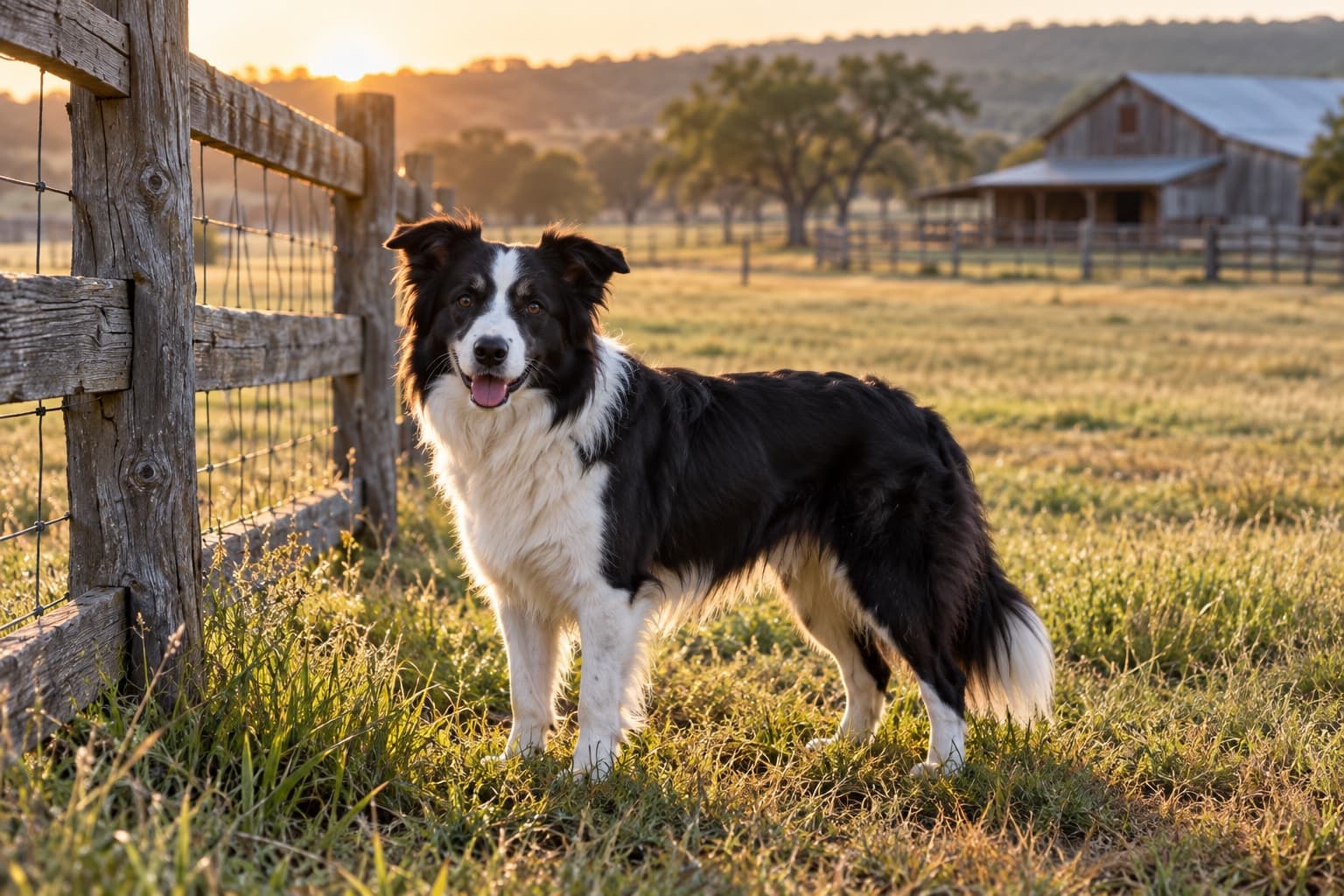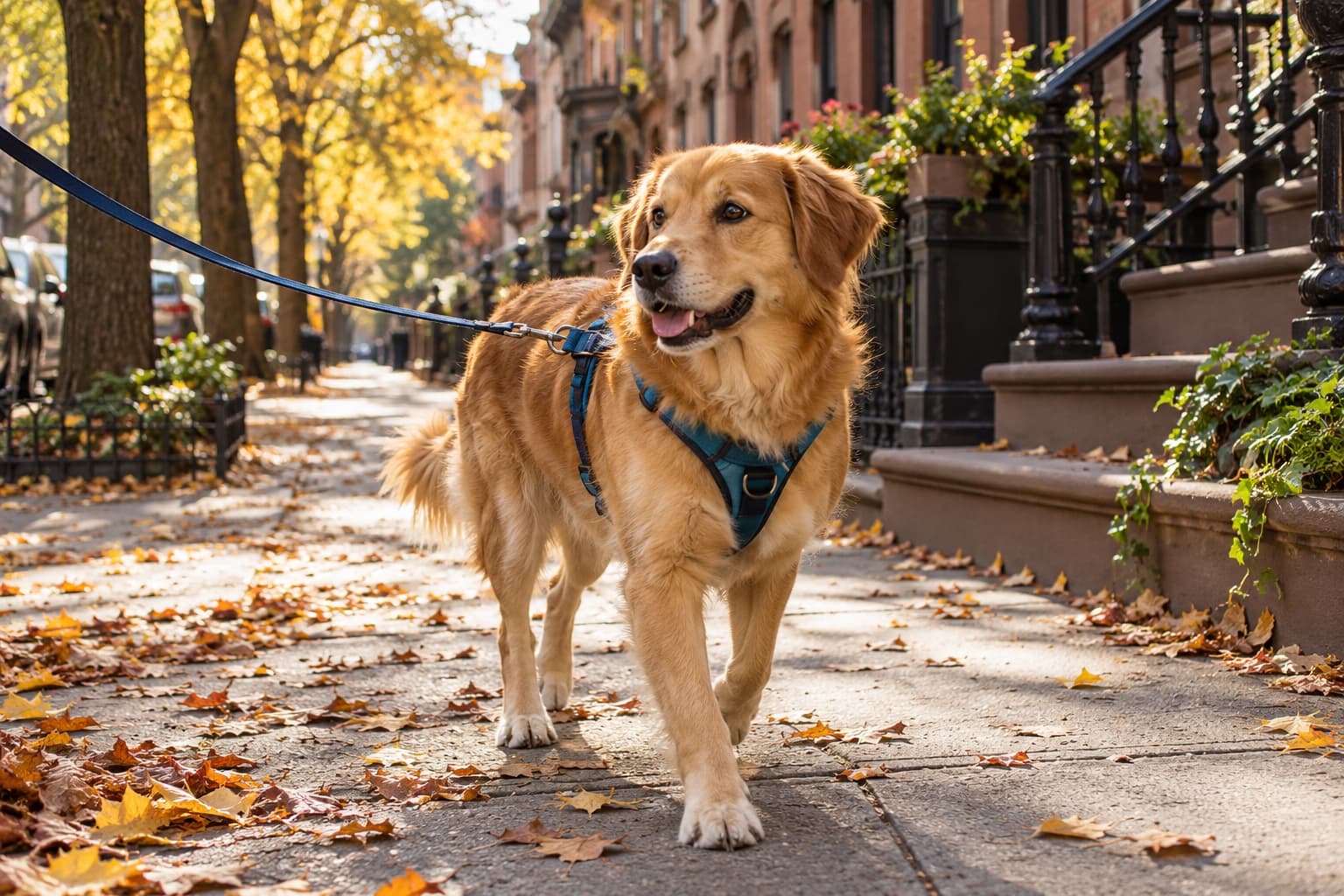
A puppy learns from everyday consequences and experiences. It does not need to be shown that the family is a wolf pack or that one person holds a superior rank. Eating before the dog, walking through every doorway first or refusing all invitations to play does not establish a meaningful training system. Clear routines and rewards are more useful.
The American Veterinary Society of Animal Behavior recommends humane, reward-based training. Physical punishment, including supposedly light slaps, can cause fear and does not teach a puppy what to do instead. Calm handling is important, but the content of the lesson matters more than adopting an authoritative voice.
Set up the home for success
Provide a quiet resting place, safe toys and barriers around hazards. Store shoes, cords and food where the puppy cannot repeatedly reach them. Supervision and management reduce mistakes while learning develops. Give the puppy enough rest and avoid interpreting tired, overexcited behavior as a challenge to your status.
Create a predictable pattern for meals, toilet breaks, play and sleep, with flexibility for the puppy's needs. A rigid clock is less important than noticing when the animal needs to go out or is ready to rest. Plan additional toilet opportunities after waking, eating and active play. Reward promptly in the appropriate place and clean accidents without punishment.
Teach one small step at a time
Start in a quiet environment with a simple task, such as looking toward you when its name is spoken. Reward the response, then gradually build duration or distractions. Several brief sessions can be easier for a young puppy than a single twenty-minute lesson. Finish before frustration develops and let ordinary household moments provide practice.
Choose rewards the puppy values, whether food, play or access to an interesting activity. Count food rewards within its daily intake and do not withhold necessary meals to create motivation. If it cannot respond, consider whether the surroundings are too difficult or whether it needs a break. Repeating a cue loudly does not make the task clearer.
Involve the household
Agree on words and routines so that different people do not teach conflicting responses. Children can participate with adult guidance, but they should not be responsible for handling problems or controlling a dog beyond their ability. Protect the puppy from chasing, rough play and interruptions while it sleeps or eats.
A dog can learn from several people; it does not need to choose a single main person before training works. Share responsibilities realistically and arrange help for days when the usual caregiver is unavailable. Bringing home another species instead is not a substitute for considering that animal's own needs.
Useful everyday skills
Teach waiting at a doorway because it improves safety, not because crossing first proves dominance. Practice a relaxed pause, reward it and release the puppy clearly. Build recall in a secure area, using a suitable long line where needed. Reward returning and avoid turning the approach into the beginning of a scolding.
For play, teach an exchange with a safe toy and something the puppy values. An invitation to play is communication, not necessarily manipulation. You can end a session calmly and offer rest or another suitable activity. Avoid sticks that could splinter or injure the mouth, and supervise toys that may be chewed apart.
Confidence and time alone
Introduce people, surfaces, sounds and handling in manageable steps. AVSAB's socialization guidance emphasizes that exposure should not overwhelm the puppy. Give it distance and the ability to disengage. Ask your veterinarian how to provide early experiences while managing local infectious-disease risks.
Practice brief, comfortable absences and arrange care before leaving the puppy longer than it can manage. Persistent distress is not cured by punishment on your return. A qualified trainer or behavior professional can help develop a gradual plan, particularly when fear or separation problems affect daily life.
Review progress fairly
Learning can fluctuate with growth, excitement and changes in the environment. Keep a note of what works and adjust difficulty rather than treating setbacks as deliberate defiance. Seek veterinary advice for sudden behavioral changes or discomfort.