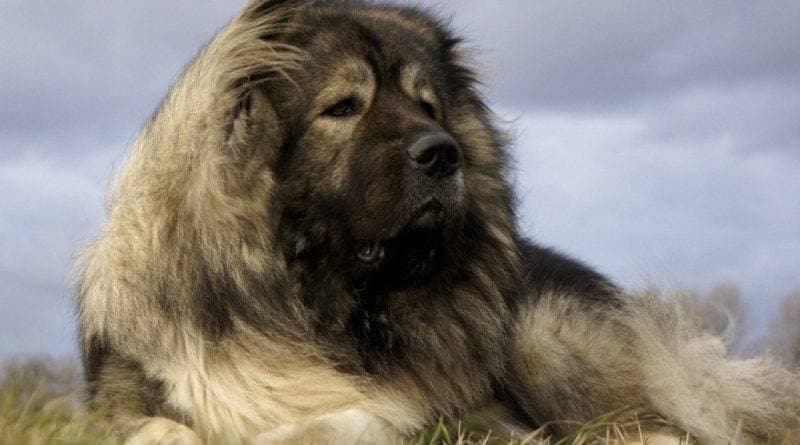
The Caucasian Shepherd Dog is a large guardian breed associated with the Caucasus region. Its history includes protecting livestock and property. This background can help explain its independence and watchfulness, but it does not guarantee how an individual will behave in a modern household.
History without unsupported certainty
The American Kennel Club's Caucasian Shepherd profile describes a serious guardian with regional working roots. Traditional populations and later organized breeding contributed to the modern breed. Exact claims of direct descent from a named ancient war dog are difficult to establish.
Similar size or a broad head does not prove that the Tibetan Mastiff was the breed's direct ancestor. Stories linking all large guardians through Assyrian armies or a single ancient migration should be presented as speculation where evidence is lacking.
A guardian is not an automatic security system
Some individuals are strongly reserved toward unfamiliar people and animals. Encouraging confrontation or assuming the dog can distinguish a harmless visitor from a threat creates risk. Owners need a secure environment and practical control over access.
Plan for deliveries, tradespeople, guests and emergencies before bringing the dog home. Use suitable fencing, gates and separate spaces so safety does not depend entirely on one verbal cue. A large property alone does not solve these management needs.
Training and social experience
Begin reward-based teaching and comfortable handling early. Practice leash walking, settling, recall and moving behind a barrier in easy situations. Socialization should build confidence around ordinary life without forcing close encounters or expecting indiscriminate friendliness.
Do not try to overcome independence through intimidation. A qualified professional experienced with large guardians can help establish realistic goals. Sudden changes in tolerance or behavior also warrant a veterinary check for pain or illness.
People and other animals
The breed is not guaranteed to obey only one person, nor is a change of owner inevitably disastrous. Transitions require careful assessment, secure management and time to develop trust. Give carers clear instructions and ensure necessary handling is safe.
Claims that these dogs have no prey drive are unreliable. Introduce other animals thoughtfully and use separation where safety is uncertain. Children require active supervision and should never be left to manage a powerful dog or approach its food and resting place.
Everyday care and suitability
Provide appropriate exercise, rest, grooming and meaningful contact with the household. Feed a complete diet suited to growth and adult size, then monitor body condition. Extra bulk is not a sign of superior quality or health.
Ask breeders for relevant health-screening records and discuss orthopedic concerns and other family history with your veterinarian. Plan transport, veterinary handling and care during absences. This breed needs an owner whose routine and facilities can support a substantial guardian throughout its life. Consider whether other adults in the household can manage the dog safely and whether a suitable carer is available. Practical arrangements should remain workable when the main owner is away.