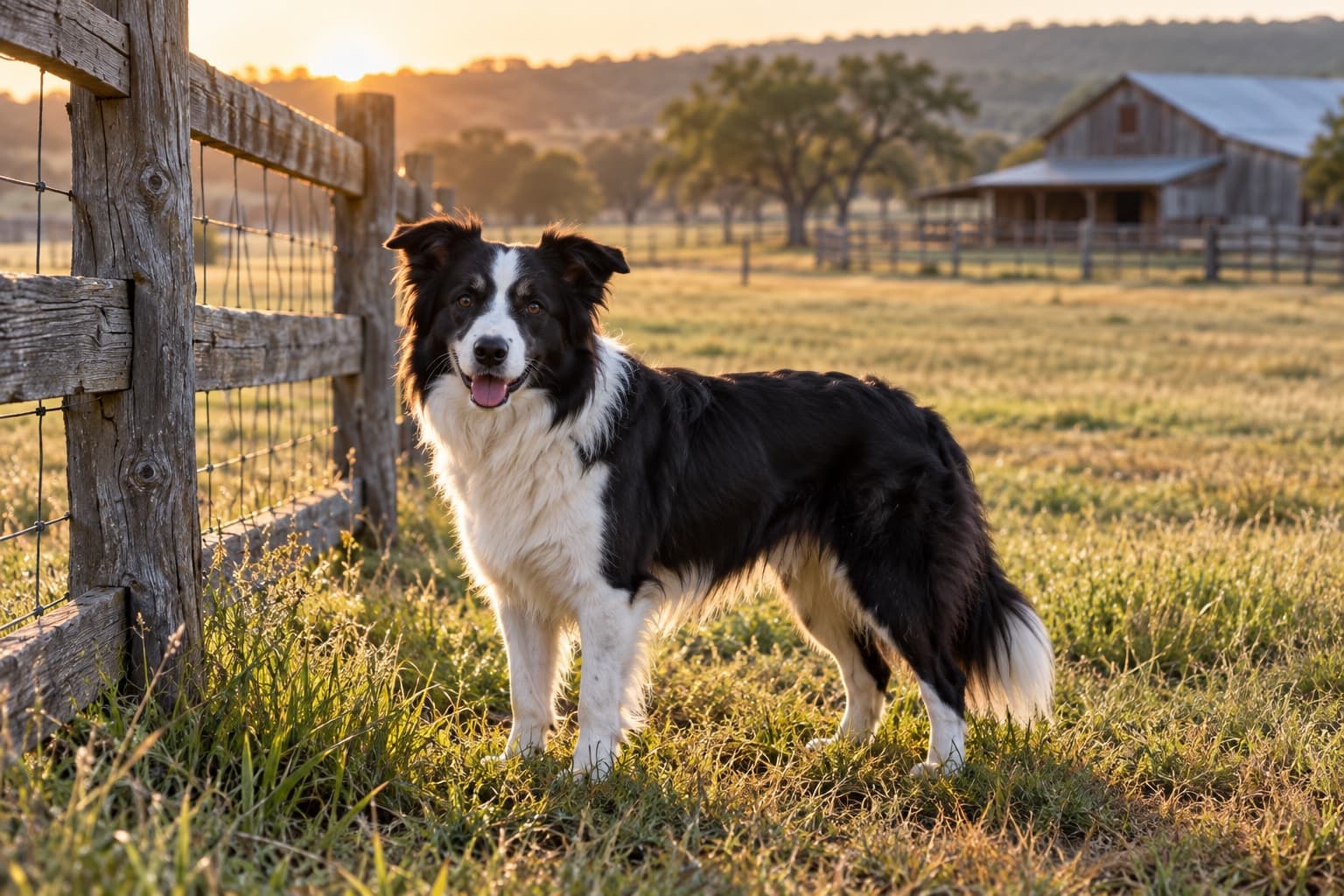
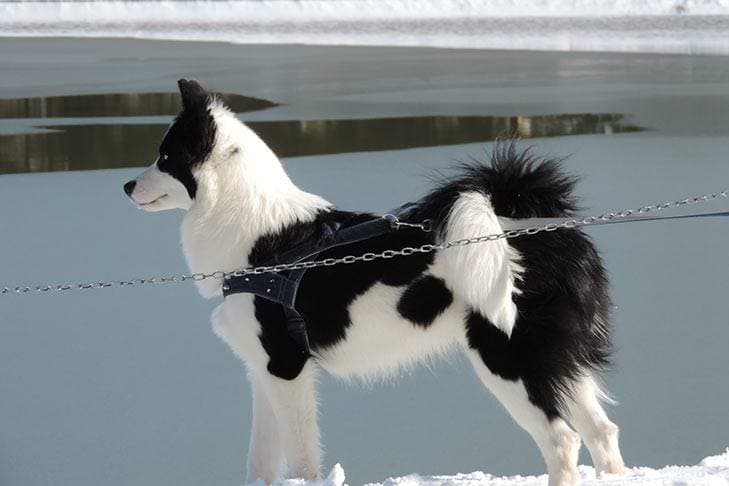
Laika is a name used for several northern spitz-type dogs, not one breed with a single size, temperament or job. Translating every use of the word as Husky creates confusion. A Siberian Husky and a West Siberian Laika, for example, should not be treated as interchangeable names for the same animal.
Identify the actual breed
The FCI breed directory lists Russian-European, East Siberian and West Siberian Laikas among Nordic hunting dogs. Other dogs carrying the Laika name may have different backgrounds and registration arrangements. Ask which specific breed or population a seller means and which organization issued the documents.
Erect ears, a dense coat and a curled tail are useful descriptive features, but they do not prove ancestry. Nor do they establish that a dog is more closely related to wolves than every other domestic breed. Reliable identification requires more than a resemblance to an illustration.
Historical working roles help explain why certain traits were valued. They should not be turned into promises that every dog can hunt any animal, pull a particular load or defend its owner safely. Assess the individual and seek appropriate professional guidance for any demanding activity.
Provide activity with secure management
Many dogs from working backgrounds benefit from substantial opportunities to explore, learn and move. The right amount depends on age, health and the individual. Combine physical activity with sniffing games, short training sessions and comfortable rest rather than relying only on increasingly long runs.
Use secure boundaries and suitable lead equipment. A dog following a scent or chasing an animal can travel far beyond a safe area. Recall practice is valuable, but it does not justify off-lead access near roads, livestock or vulnerable wildlife.
Keep small household animals securely protected and supervise introductions to other dogs. Friendliness with people does not guarantee safety around every animal. Do not encourage pursuit simply because it resembles a traditional working role.
Training belongs in daily life
Reward useful behaviors such as checking in with you, walking without pulling, coming away from distractions and settling indoors. Start in manageable surroundings and increase difficulty gradually. Independence is not a reason to use harsh methods or expect a young dog to work out household rules alone.
Introduce routine handling, transport and short comfortable absences early. If the dog seems overwhelmed, reduce the challenge. Persistent fear, guarding or distress when alone calls for assessment and a tailored plan, rather than assumptions about a supposedly effortless breed temperament.
A dense coat still needs care
Inspect and brush the coat regularly, with extra attention when loose undercoat accumulates. Check behind the ears, around the legs and where equipment rubs. Bathe when needed using an appropriate product, rinse thoroughly and dry comfortably. There is no universal rule that washing a Laika is inherently harmful.
Provide shelter, fresh water and protection from temperature extremes. A coat suited to cold conditions does not make hot weather harmless. Adjust activity to the weather and stop if the dog struggles. New odor, itching or skin changes deserve attention.
Judge the home by what it can provide
A rural address alone does not meet a dog's needs, and a city address alone does not describe the full care available. Consider secure exercise access, noise, time, training support and transport. Be honest about whether the daily routine is realistic over many years.
Feed a complete diet suited to life stage and monitor body condition. Ask your vet about vaccination, parasite prevention and any travel-related risks. Before committing, review health records and meet adult dogs from the same background when possible. Specific information is more useful than broad claims that all Laikas are easy, odorless or naturally house-trained.