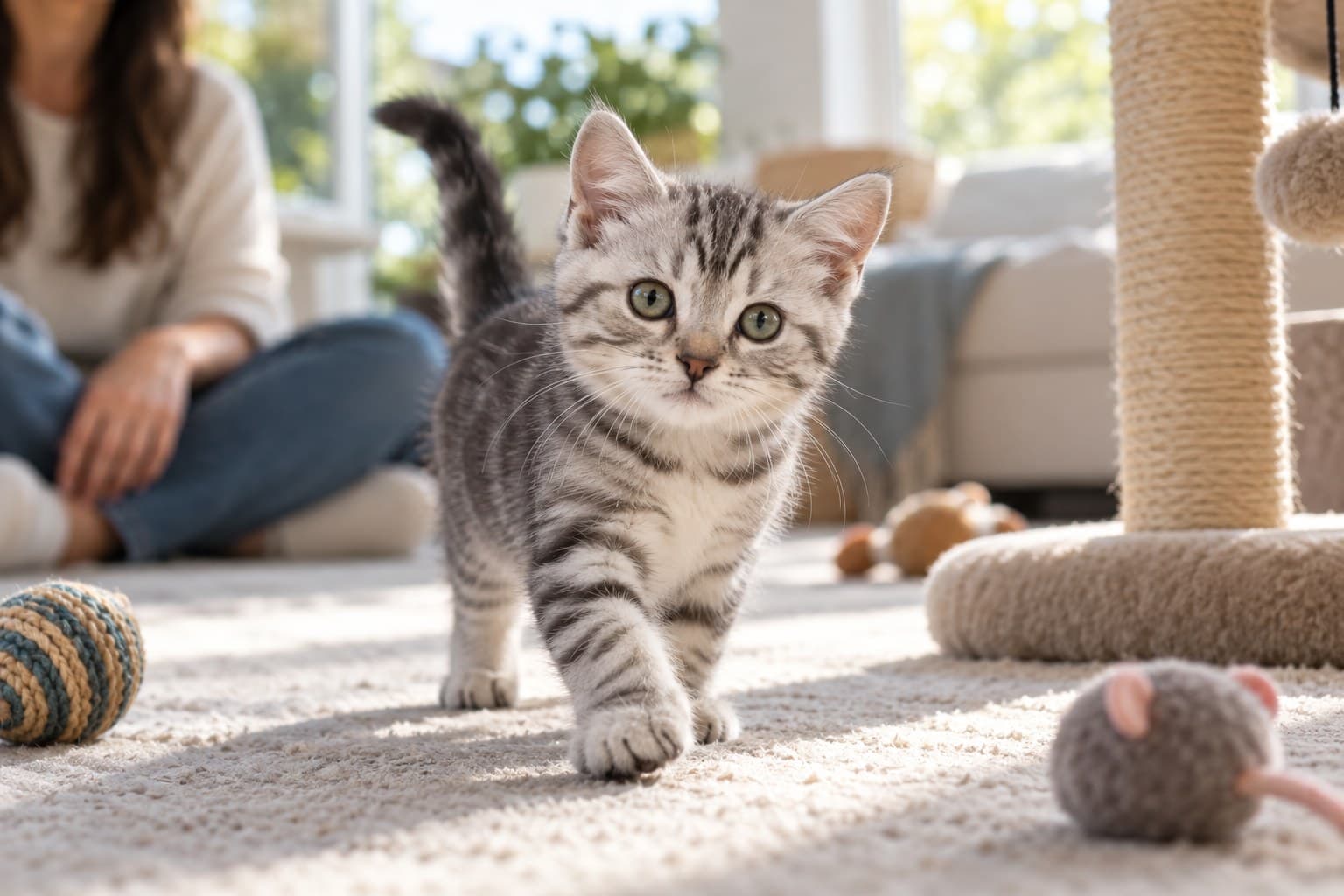
Choosing a kitten involves more than finding an appealing face. Consider the daily time, veterinary care and safe environment you can provide, and ask how the kitten has been raised. A responsible breeder or rescue should explain its age, diet, health history and support after placement. Adoption is also an option when pedigree ancestry is not a priority.
Check readiness and records
A kitten should not leave its mother simply because it has started eating solid food. Development, social experience and the organization's placement practices matter too. Ask your veterinarian about an appropriate transition and check applicable requirements. Avoid sellers who rush the handover or cannot explain the kitten's age and care.
Look for comfortable movement, interest in the surroundings and clean eyes and nose, while remembering that appearance cannot rule out disease. Ask for dated veterinary records, vaccination details and any relevant parental screening. A quiet kitten may be resting or overwhelmed; a playful one is not automatically healthy. Arrange your own veterinary appointment after arrival.
A kitten found outdoors
Contact a veterinarian or experienced rescue for guidance, especially if the kitten is very young, injured or weak. Where safe, assess whether a mother is caring for it rather than assuming every temporarily unattended kitten is orphaned. Keep a newly rescued kitten separate from existing pets until appropriate health advice is obtained.
Flea and worm treatments must suit the kitten's age and weight. Do not combine products or use a dog treatment. A shampoo is not a complete parasite plan. Bring any available information about where the kitten was found, what it has eaten and signs you have noticed to the appointment.
Very young kittens need specialist help
VCA's kitten-care guidance explains that orphaned newborns need warmth, frequent feeding and assistance with elimination. Get an individual plan promptly rather than following a generic timetable for every kitten. A cold, weak or non-feeding kitten needs urgent assessment; feeding technique and temperature management are particularly important at this age.
Use appropriate kitten milk replacer if advised, not ordinary cow's milk or an improvised dairy mixture. Have an experienced professional demonstrate positioning, equipment and amounts. Do not force milk into the mouth with a syringe: aspiration can be dangerous. Keep feeding and weight records so the care team can assess progress.
Newborns may need gentle stimulation to urinate and defecate, but this should also be demonstrated. Do not press hard on the abdomen. Contact the care team if weight gain stalls, the kitten has diarrhea or it becomes less responsive. Hand-rearing requires reliable care overnight as well as during the day.
Food for a growing kitten
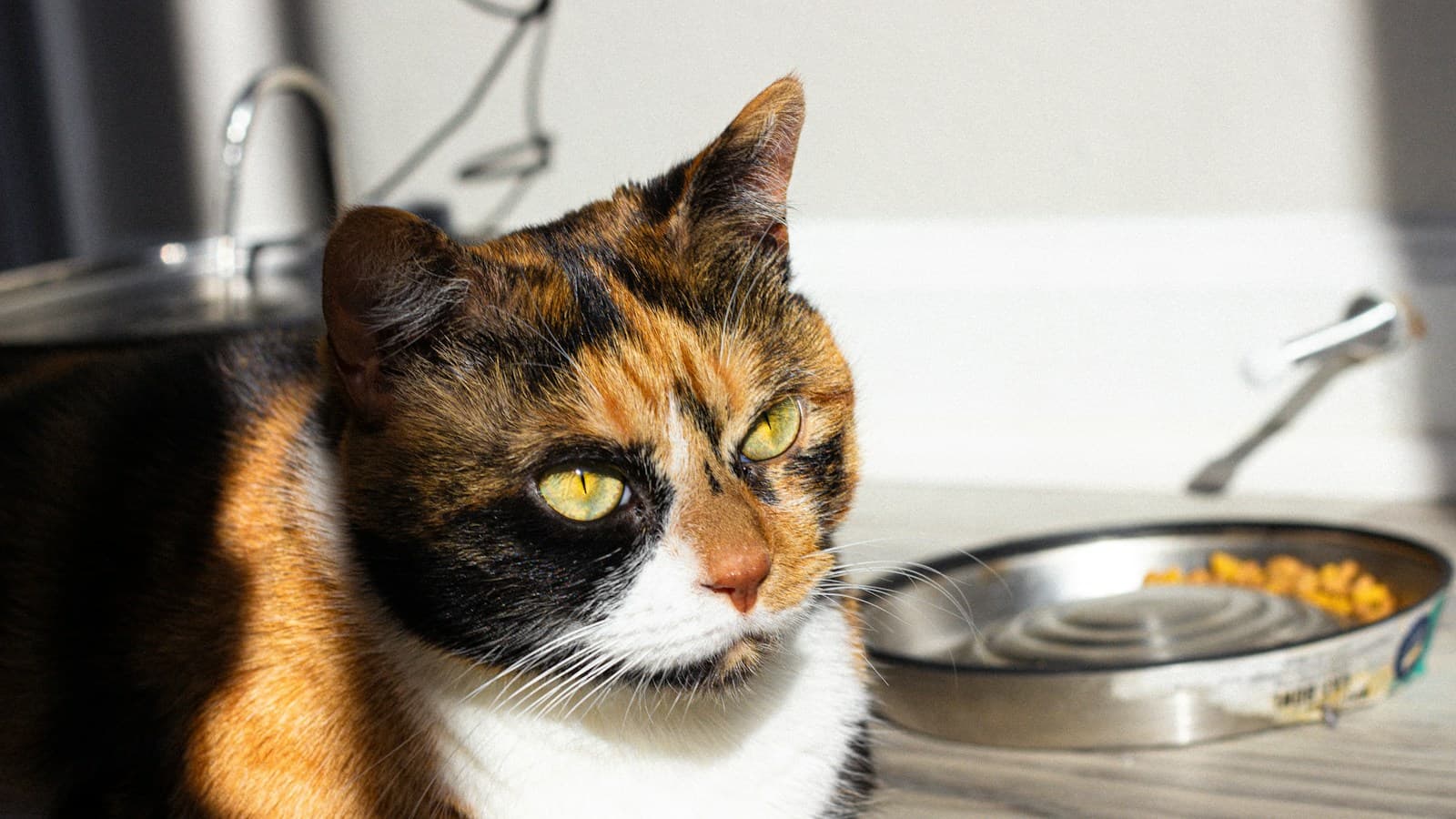
Once weaned, choose a complete diet suitable for growth and ask how to transition from the food already being used. Meat, vegetables and cottage cheese do not automatically form a balanced kitten diet. A home-prepared plan needs formulation by a qualified veterinary nutrition specialist. Avoid unnecessary supplements added to an already complete food.
Provide fresh water and a quiet feeding area. Monitor appetite and body condition, and separate meals from other pets if competition makes it difficult to see how much the kitten eats. Reduced appetite in a young animal should be taken seriously rather than treated as stubbornness.
Prepare the home
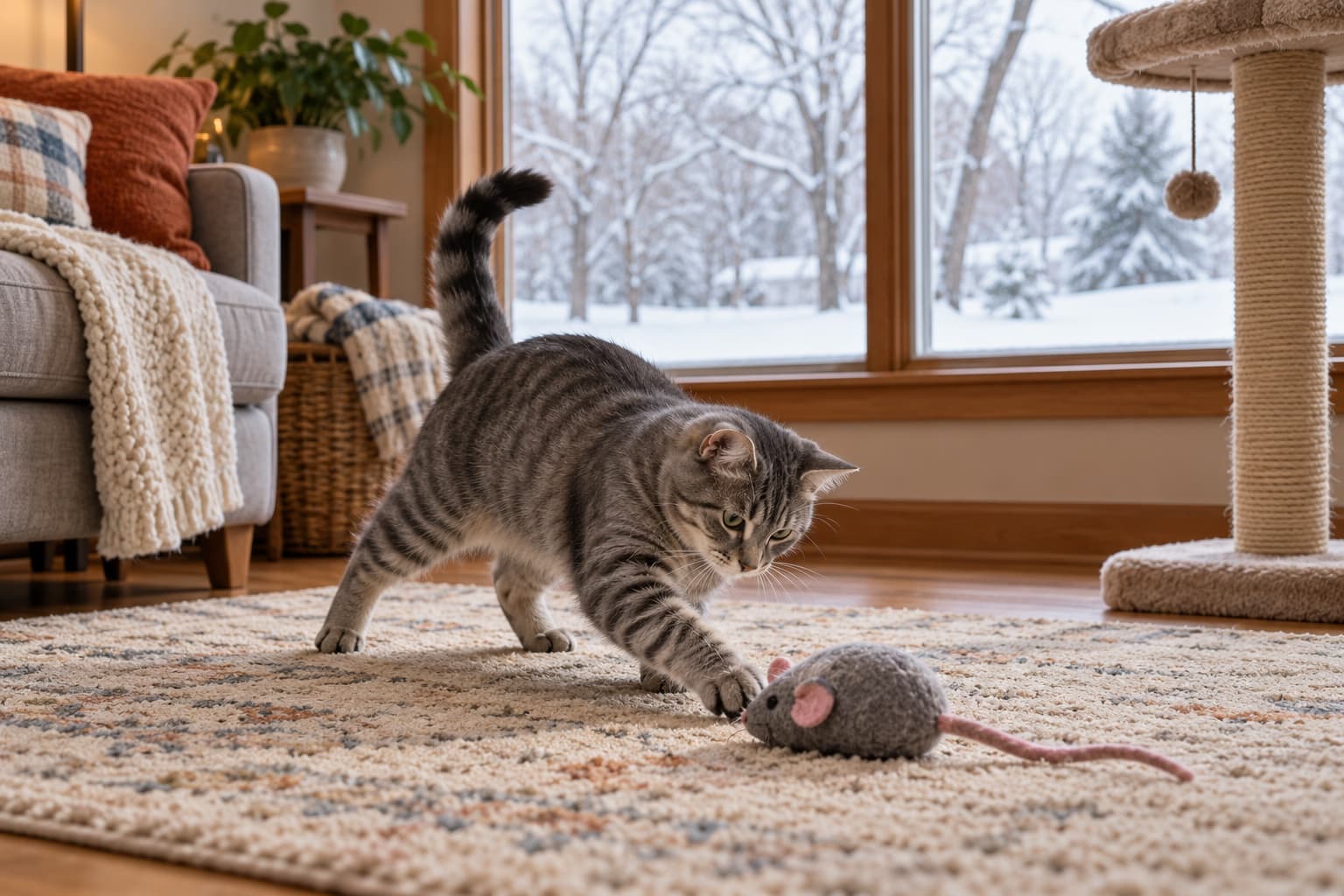
Start with a manageable space containing bedding, hiding places, a suitable litter box and separate food and water. Secure windows, cords, medicines and small objects. Inspect toys for parts that can be swallowed; a shop-bought toy is not automatically safe without supervision. Put strings and wand toys away after play.
Use gentle handling and short play sessions, letting the kitten rest undisturbed. Introduce household members and other animals gradually. Practice comfortable carrier use before the next appointment. A good beginning combines affection with practical observation, so that changes are noticed and help is available when needed.