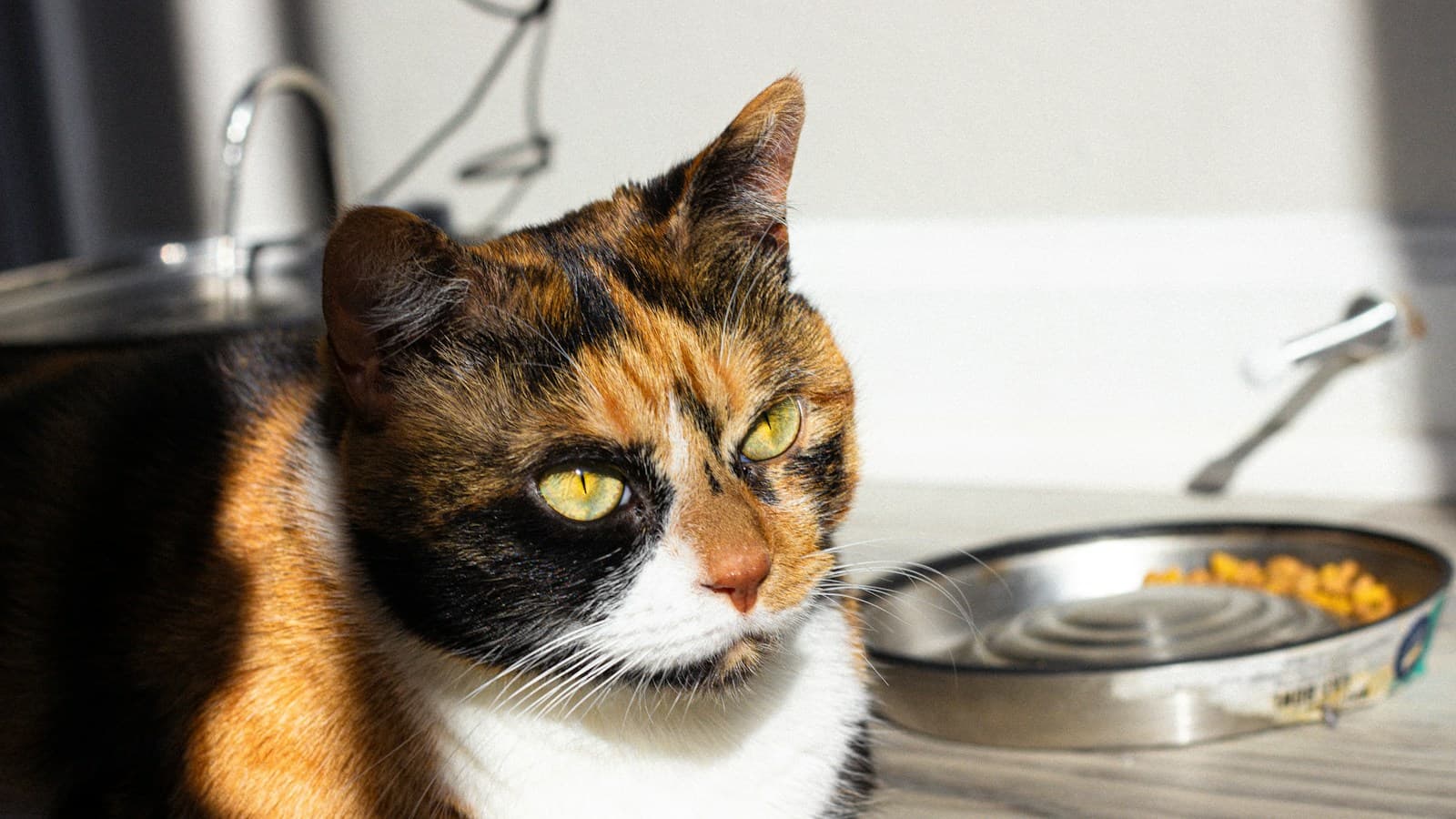
Cat allergy is an immune response to proteins associated with cats, not simply a reaction to visible hair. Symptoms can include sneezing, a runny or blocked nose, itchy eyes and skin reactions. Some people also develop wheezing or worsening asthma, which needs medical assessment.
Confirm what is causing symptoms
The AAAAI's pet-allergy information explains that proteins in skin material, saliva and other secretions can trigger reactions. Fur can also carry pollen or other allergens. Symptoms do not necessarily disappear as soon as you leave the room, because allergens remain in the environment and can be carried on clothing.
An allergist can review the pattern of symptoms and decide whether testing is appropriate. Similar symptoms may have several causes, and more than one trigger may be involved. Keep notes on where symptoms occur, whether breathing is affected and what measures you have already tried.
No cat breed is reliably hypoallergenic. Short hair, little visible shedding or a hairless appearance does not guarantee safe exposure. A brief visit with a particular cat cannot establish that long-term living together will be symptom-free.
Reduce exposure thoughtfully
ACAAI's guidance on pet allergies describes practical exposure-reduction measures. Keep the cat out of the bedroom and off bedding, and consider a suitable HEPA air cleaner. Clean surfaces and textiles regularly and use effective vacuum filtration. These steps can help reduce exposure but cannot promise complete symptom control.
If possible, have someone without the allergy handle grooming and litter care. Wash hands after contact and avoid touching the face. Do not respond by bathing the cat excessively or applying unproven products that may irritate its skin. Discuss animal-care changes with a veterinarian when needed.
Ventilation should reflect other triggers and local conditions. Opening windows during high pollen levels may make symptoms worse for someone with pollen allergy. A humidifier is not a treatment for cat allergy, and excessive dampness can create other problems. Avoid assuming that one household routine suits every allergic person.
Discuss treatment with a clinician
Depending on symptoms, a clinician may recommend medication or discuss allergen immunotherapy. Asthma requires an appropriate management plan rather than relying only on an antihistamine. Follow professional advice and review the plan if symptoms remain troublesome or change.
Severe breathing difficulty or rapidly worsening symptoms requires urgent medical help. Do not keep testing exposure at home when it is causing significant respiratory symptoms. Children with symptoms should be assessed rather than expected to become accustomed to them.
Make a realistic household decision
Some people can manage symptoms while keeping their cat, while others need a larger reduction in exposure. Rehoming is not automatically necessary for every diagnosis, but keeping the animal cannot be guaranteed safe through cleaning alone. Make the decision with the treating clinician, considering severity and response to treatment.
If rehoming becomes necessary, arrange a responsible placement and continue the medical plan. Allergens can persist after the cat has left, so improvement may take time. A compassionate decision protects both the person's health and the cat's long-term welfare.