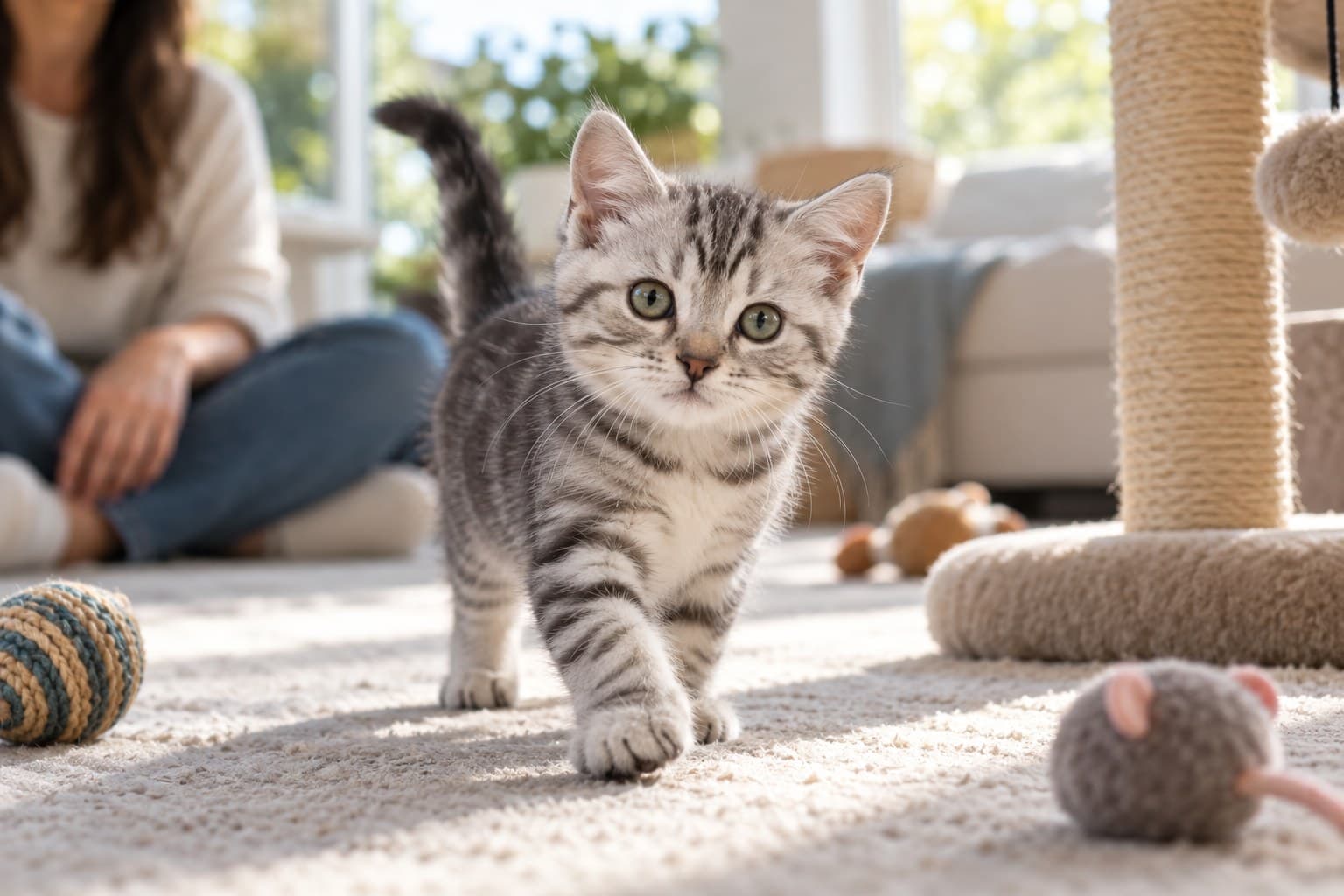
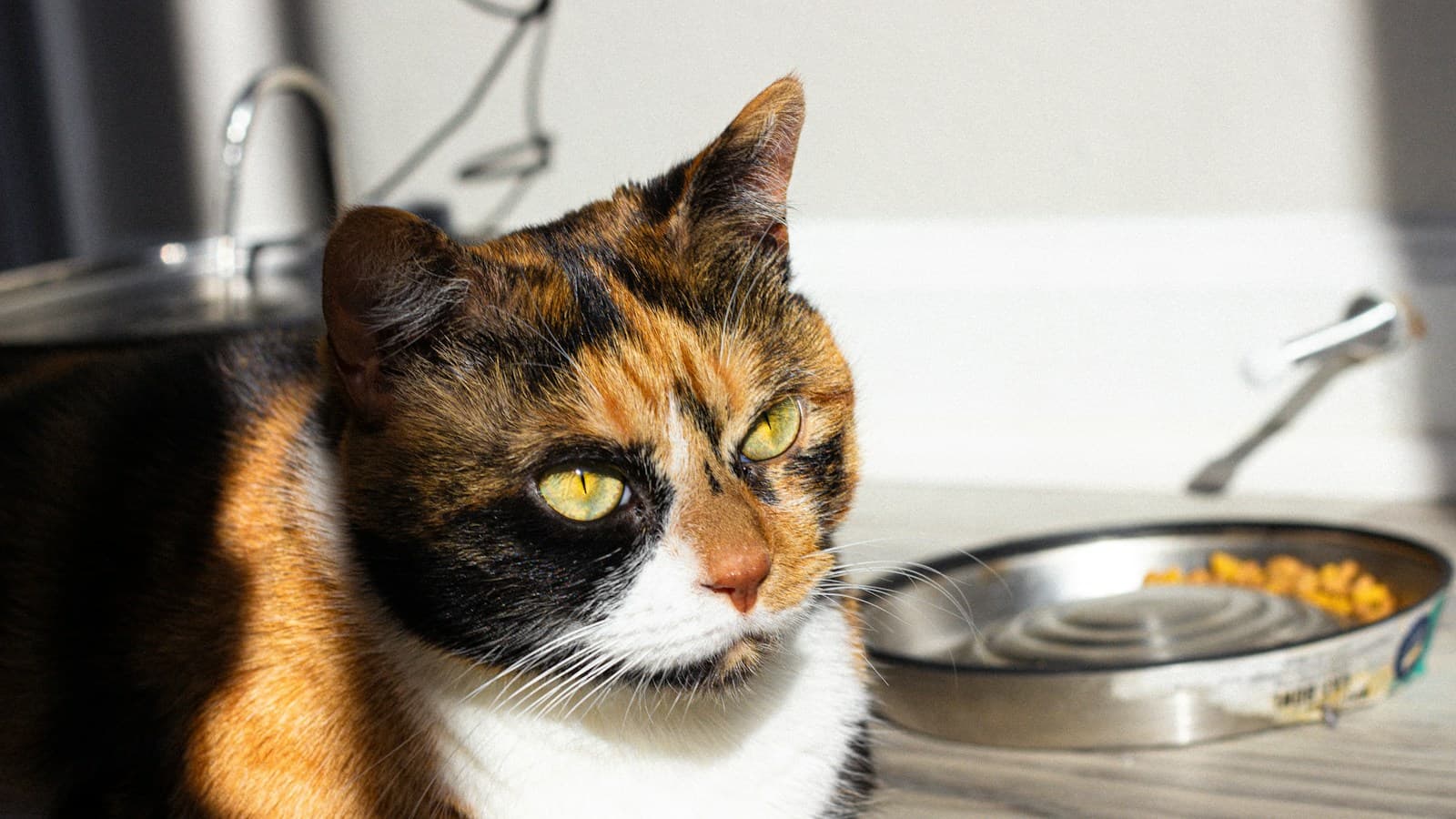
Teaching a cat to use a human toilet may sound convenient, but it asks the animal to balance over water and give up normal digging and covering behavior. There is no reliable three-week timetable that suits every cat. A stable, accessible litter box is usually a more practical way to support comfort and observe health.
Why toilet-seat training can cause problems
Raising a tray on books or moving it onto a seat can create an unstable surface. Cutting holes in a support board adds further opportunities for slipping or becoming frightened. A cat that manages the arrangement while young may struggle later with arthritis, poor balance or illness.
A closed bathroom door or lowered lid can also remove access without warning. Unlike a litter box placed in a quiet area, a household toilet may be occupied when the cat needs it. Do not remove every familiar option in the hope that the cat will eventually comply.
Litter lets owners notice changes in urine volume, stool and frequency. These clues can be harder to assess when waste disappears into toilet water. Convenience should not outweigh the ability to recognize a developing problem.
Set up comfortable litter facilities
Ohio State University's litter-box guidance emphasizes clean, accessible facilities suited to the cat. Choose a tray large enough for turning and normal toileting movements. A low entrance may help kittens, older cats or those with mobility problems, while enough usable space remains important for all ages.
Place boxes in quiet locations that do not trap the cat or require passing a threatening animal. In homes with several cats, distribute facilities rather than putting every box side by side. A common starting point is one per cat plus an extra, adjusted to the household and individual preferences.
Offer an unscented litter the cat accepts, scoop regularly and wash the tray with an appropriate, well-rinsed cleaner. Strong perfumes do not make a box more inviting. When changing a setup, introduce the new option alongside the familiar one and observe the response rather than making several abrupt changes.
Help a new cat learn the location
Show the cat where the box is and keep access easy. A kitten may benefit from a smaller initial living area with nearby resources while it learns the layout. Do not push its paws through litter or hold it in place. Reward calm exploration and allow privacy when it toilets.
If a cat has already been trained to use a toilet, offer a conventional box on a secure floor surface. Give it time to investigate, keep the arrangement consistent and ask for advice if avoidance persists. The aim is a dependable option throughout life, not a performance on a fixed schedule.
Investigate accidents
The Cornell Feline Health Center's house-soiling advice explains that both medical and environmental causes deserve attention. Clean accidents with a suitable enzymatic product and avoid punishment. Note when and where they happen and whether another pet is blocking access.
Straining, painful urination, blood or repeated trips with little or no urine require prompt veterinary attention; inability to urinate is an emergency. Do not delay care while trying a different litter or training method. A comfortable toilet routine starts with a healthy cat and a setup it can use without fear.