
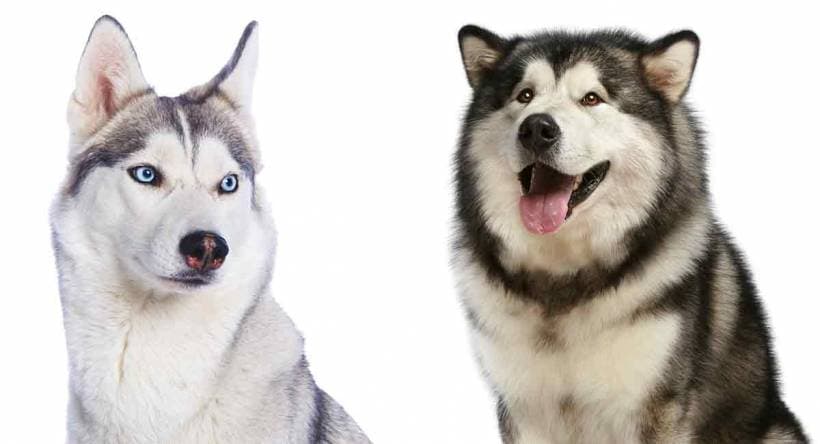
The Siberian Husky is a medium-sized sled dog developed for endurance and work in a team. Its thick coat and striking face can attract people who underestimate the daily commitment. A Husky can be an engaging companion when its exercise, training, social contact and secure housing are planned realistically.
Appearance and personality
Huskies have a double coat, erect ears and a well-furred tail. Eyes may be blue, brown or different colors; blue eyes are not a requirement or proof of ancestry. Coat colors and markings vary. A coat odor can signal a skin problem.
Many Huskies are outgoing with people and enjoy company, but individuals differ in affection and confidence. They may howl, vocalize and bark, so quiet apartment living cannot be assumed. Meet adult Huskies before deciding.
Sex alone does not reliably predict obedience, hunting interest or suitability for a household. Meet the individual dog and consider its upbringing and behavior. A second Husky is not a quick solution for loneliness: two dogs need separate training, attention, expenses and careful introductions.
Exercise with a purpose
Most healthy adult Huskies need substantial daily activity. Combine walks and sniffing with games, training and, where appropriate, suitable canine sports. There is no single exercise total that fits every puppy, adult and senior. Build fitness gradually and adapt activity to health, temperature and recovery.
Running beside a bicycle or pulling in a harness requires preparation, suitable equipment and a dog mature and fit enough for the task. Seek veterinary advice before starting sustained pulling or running. Avoid forced endurance exercise for growing puppies. In warm weather, choose cooler periods, shorten exertion and watch closely for signs of overheating.
A garden offers useful space but does not replace interaction or walks. Many Huskies dig, climb or find gaps, so fencing and gates need regular inspection. Use a leash or a securely enclosed area; good recall practice does not erase the urge to chase wildlife.
Train clear everyday skills
Reward-based training works well when sessions are brief and interesting. Teach the dog to respond to its name, walk with a loose leash, wait at doors and settle after activity. Practice in easy settings before adding distractions, and reward the behavior you want promptly.
Pulling is associated with the breed's working history, but owners can still teach comfortable walking. Use consistent cues and appropriate equipment rather than jerking the leash or trying to intimidate the dog. If handling feels unsafe, work with a qualified trainer who uses humane methods.
Introduce time alone gradually, beginning with periods the dog can manage calmly. Provide safe enrichment and arrange help when your schedule exceeds the dog's current ability to cope. Persistent howling, destruction or escape attempts during separation may need professional assessment rather than more exercise alone.
Other animals and children
A Husky may have a strong chase response toward cats, rabbits and other small animals. Do not rely on friendliness toward people as evidence of safety with another species. Use secure separation and planned introductions, and accept that some combinations are unsuitable.
Supervise interactions with children and teach children to leave a resting or eating dog alone. Every dog needs an undisturbed retreat. Avoid chaotic greetings and rough play that encourage jumping or mouthing, particularly with a large, excited adolescent.
Coat care and health planning
Brush regularly and increase grooming during heavy seasonal shedding. A Husky is not a low-shedding dog. Avoid routine close shaving of the double coat; ask a veterinarian or knowledgeable groomer if matting or a medical issue changes what care is needed.
Feed a complete diet in portions that maintain a comfortable body condition. Ask about breed-relevant eye and hip screening when choosing a puppy, and keep up with dental care, parasite prevention and veterinary checks. Before bringing a Husky home, budget for secure equipment, training and care arrangements as carefully as for food.


