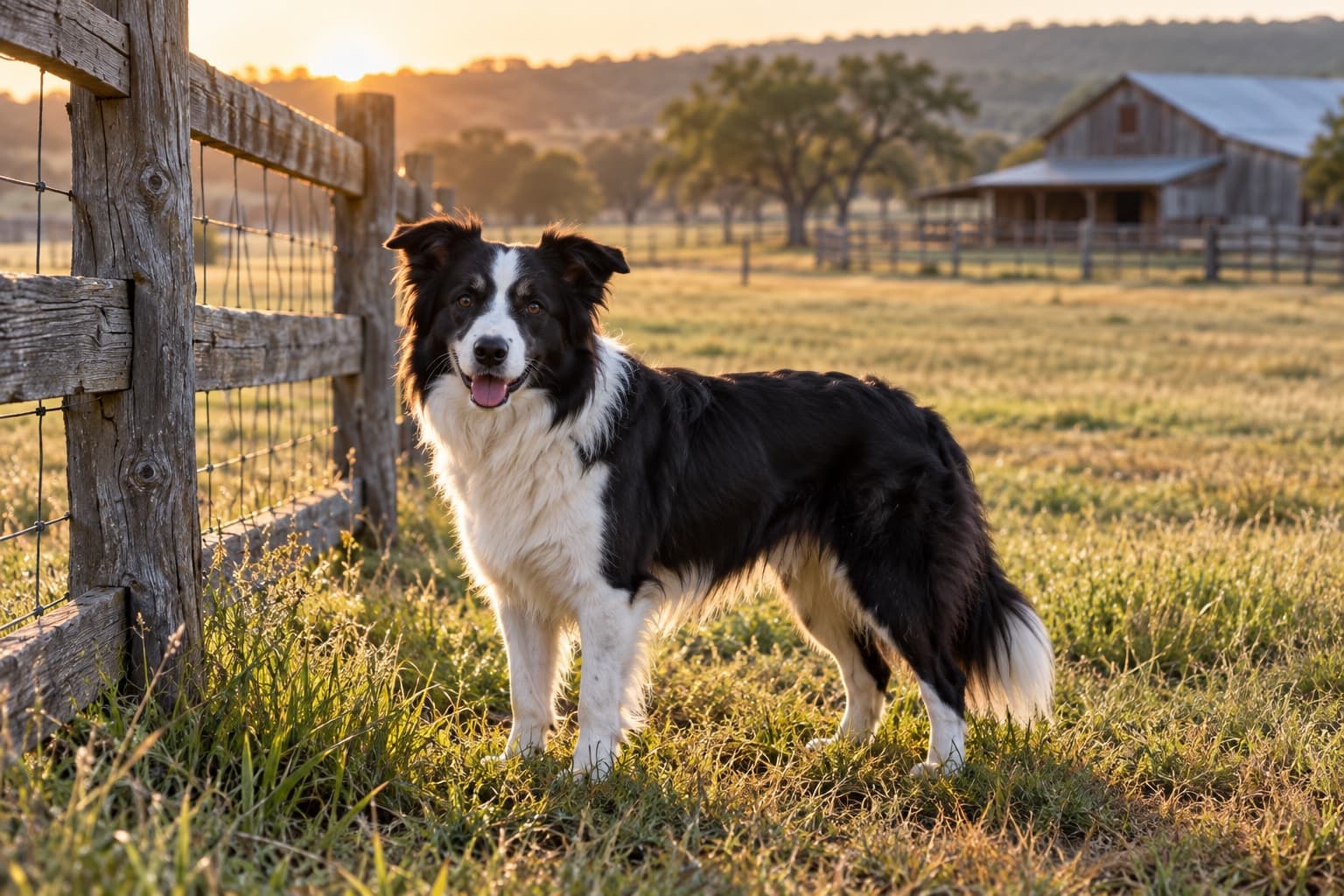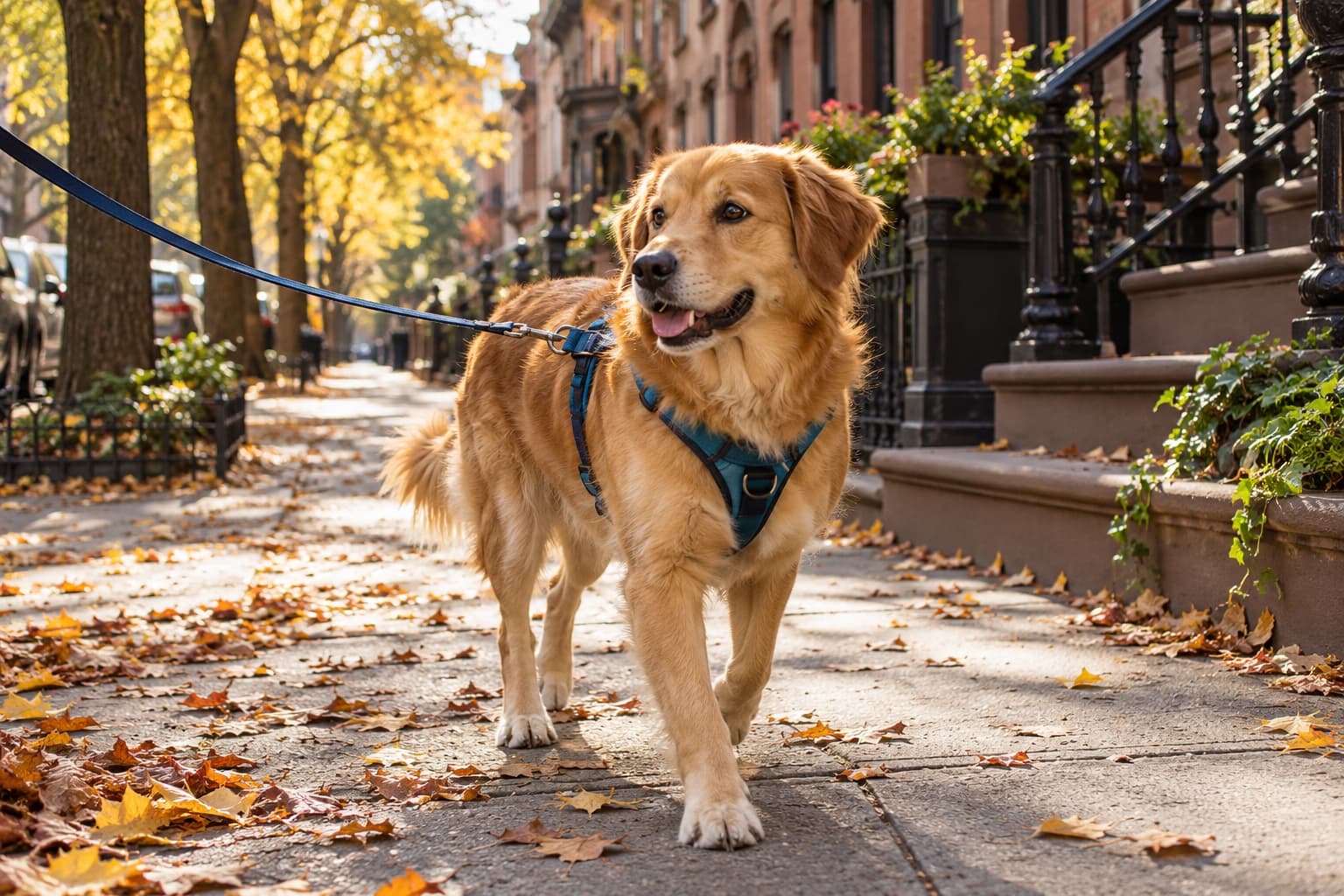
An unfamiliar dog may react defensively when frightened, in pain, guarding something or unable to move away. Breed, size and ownership status do not reliably predict what it will do next. Avoid assuming that a pedigree dog and a mixed-breed dog require different kinds of confrontation, or that a dog can read fear and will inevitably attack.
Prevent a difficult encounter
Give dogs space when they are eating, sleeping, caring for puppies or confined behind a fence. Ask the handler before approaching, then allow the dog to decide whether to come closer. Permission from the person does not make a reluctant dog comfortable. Do not reach over its head, hug it or put your face close to its mouth.
Teach children to ask an adult before interacting and supervise them around familiar dogs too. A wagging tail alone is not a safety guarantee. Stiffness, freezing, turning away, growling or trying to retreat are reasons to stop an interaction and create distance.
If a loose dog approaches
The CDC's dog-safety guidance recommends remaining still when an unfamiliar dog approaches. Avoid running, screaming or making sudden threatening movements. Keep your hands close to your body and avoid staring directly into the dog's eyes. These actions reduce avoidable provocation but cannot guarantee how any particular dog will respond.
When there is room to do so, move away slowly without rushing past the animal. A closed gate, vehicle or other solid barrier may provide protection. Do not corner the dog while trying to escape, and do not reach to grab its collar. Ask the handler to secure it if the person is present and it is safe to speak.
Prioritize protection over confrontation
Do not approach with a lighter or try to frighten the dog with fire. Picking up stones or waving a stick can escalate an encounter and distract you from reaching safety. If necessary, place an available object such as a bag between yourself and the animal while moving towards shelter.
If knocked down, curl up and protect your face, head and neck with your arms, keeping as still as possible. Call for help when you can. During an ongoing attack, prioritize immediate protection and contact local emergency services; no short article can provide a maneuver that is safe or effective in every situation.
After a bite or scratch
Once safe, wash the wound thoroughly with soap and running water and obtain prompt medical advice. Severe bleeding or serious injury requires emergency care. A clinician can assess infection risk, tetanus protection and whether rabies prevention is needed. Do not wait for symptoms of rabies before seeking advice.
Record the location, circumstances and the owner's contact details if you can do so without another encounter. Follow local reporting instructions and let trained personnel handle a loose or dangerous animal. For an owner's dog showing new aggression, veterinary assessment and qualified behavior support can help address the cause before another incident occurs.