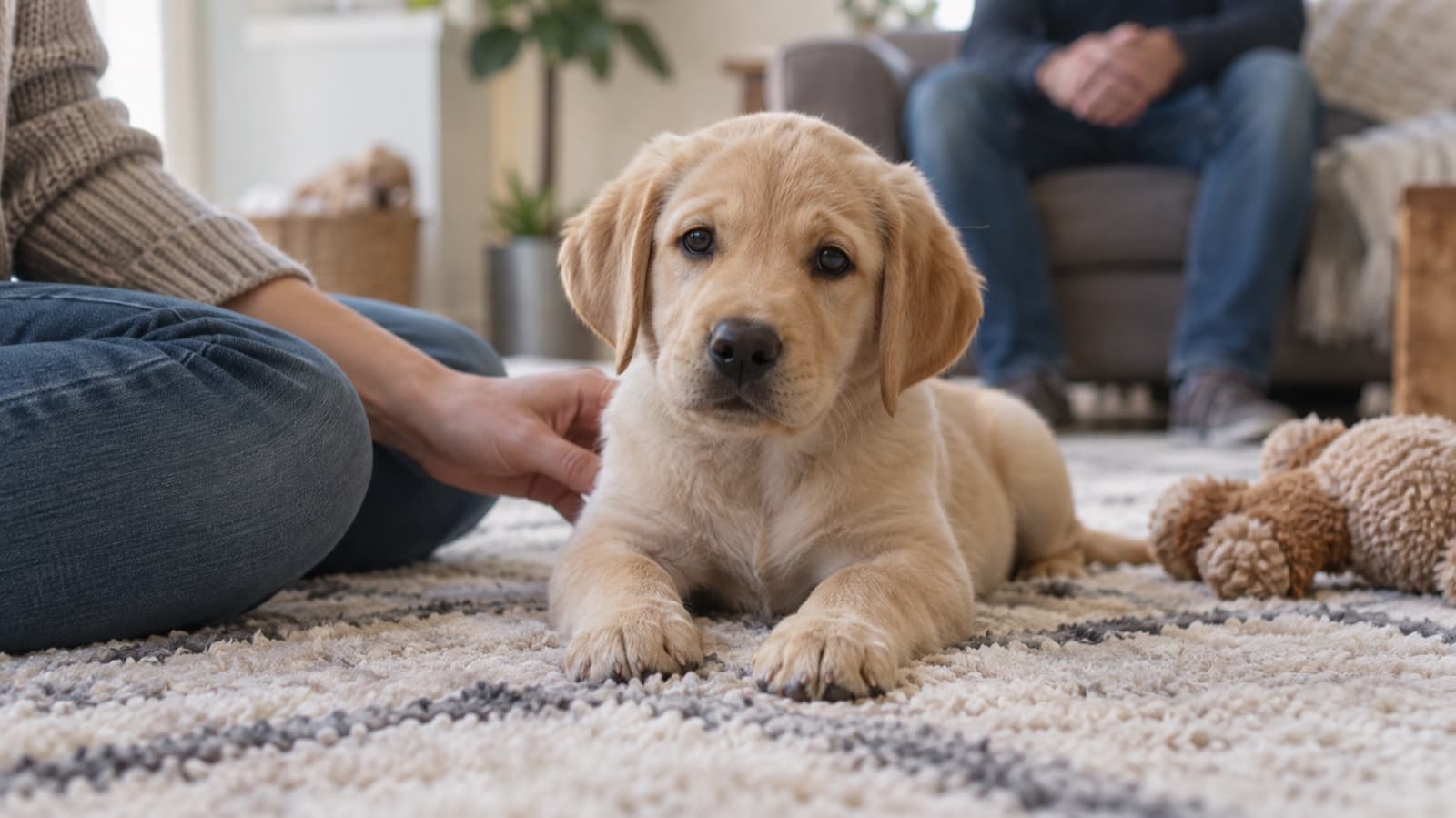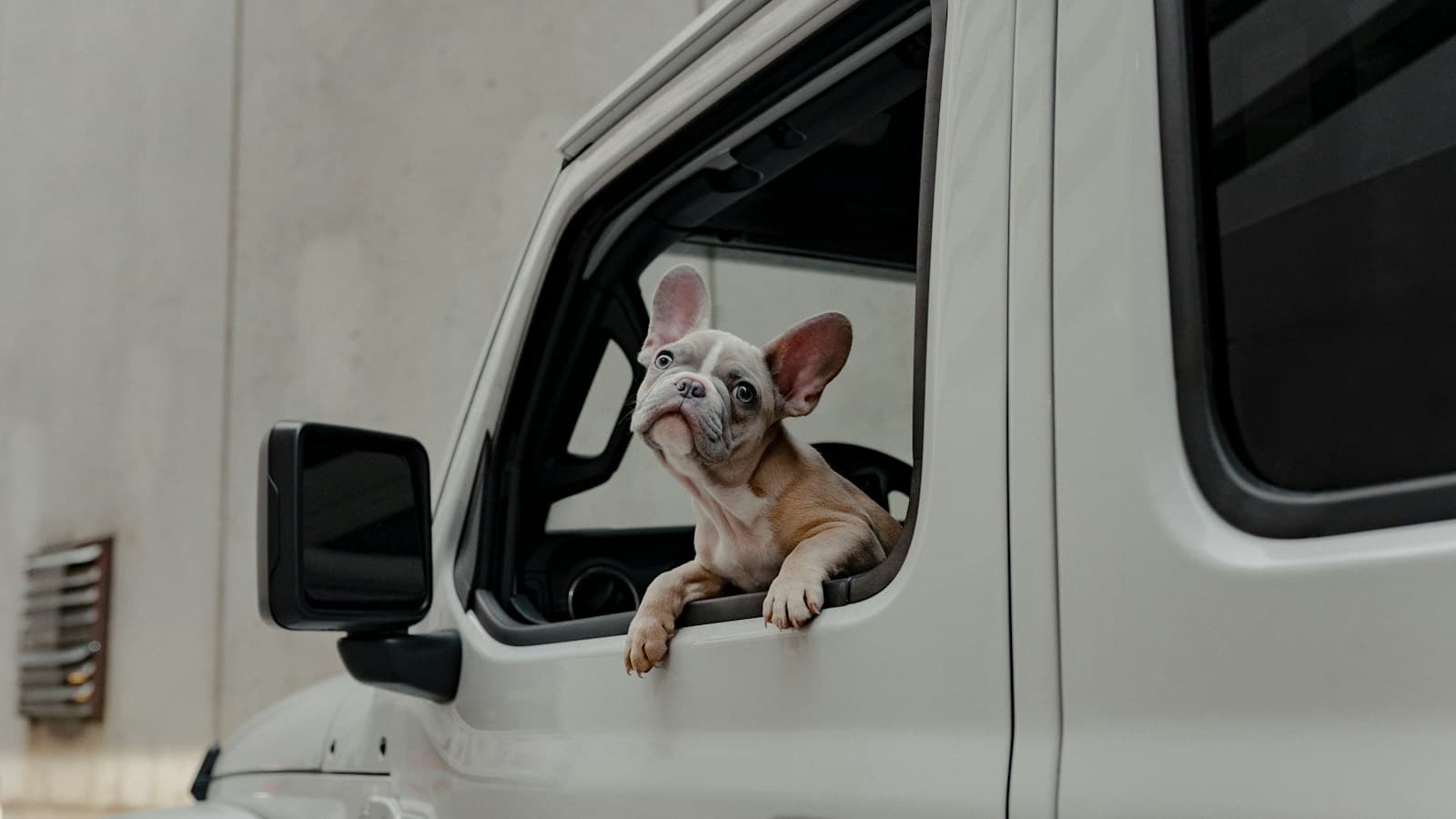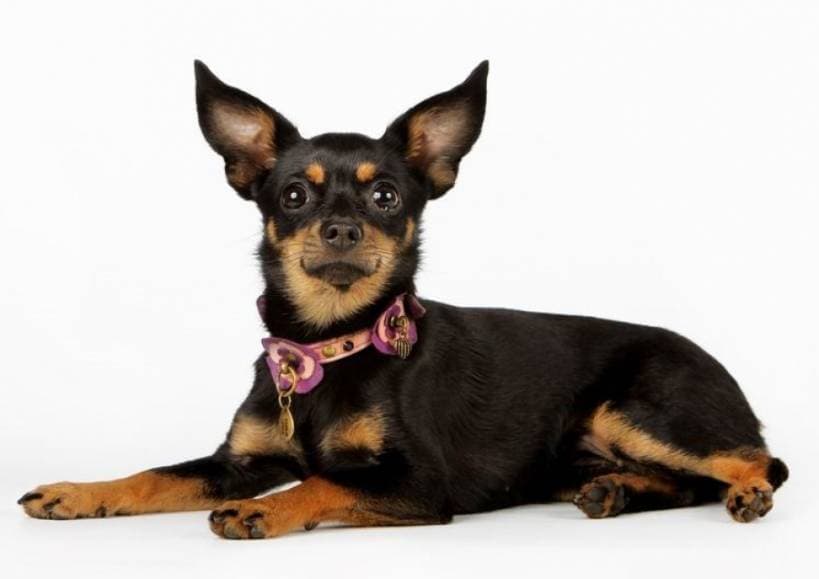
Small dogs can share compact homes comfortably, but size alone tells you little about noise, confidence or care needs. A Yorkshire Terrier, Chihuahua and Maltese may fit in similar carriers while requiring different grooming and responding differently to daily life.
Coat care varies considerably
Yorkshire Terriers and Maltese have coats that need regular attention to prevent tangles. A shorter pet trim may make upkeep easier, but it does not remove the need for brushing and professional care. Check friction areas around the legs and harness rather than brushing only the visible back.
Pomeranians have a fuller double coat that needs suitable brushing through to the undercoat. Chinese Cresteds occur in hairless and coated varieties, so their care is not identical. Hairless skin needs protection appropriate to the weather, while the coated variety needs regular coat maintenance. Ask a veterinarian about skin products instead of applying human cosmetics indiscriminately.
Small does not mean inactive
Chihuahuas and other small companions still benefit from walks, sniffing and play. Carrying a dog everywhere removes chances to explore and learn. Choose quieter routes for a nervous dog and build confidence gradually; forcing it toward large, unfamiliar dogs is not helpful socialization.
The Russian Toy and other lively little dogs also need safe outlets for activity. Plan manageable games and training sessions, then provide a quiet place to sleep. No breed is guaranteed to be silent, effortless or happy alone all day.
Training and handling
Teach coming when called, comfortable handling and settling just as you would with a larger dog. Reward cooperation and use gates or a pen to prevent problems while skills develop. Give regular toilet breaks to a new puppy and avoid treating accidents as disobedience.
Children should sit calmly for supervised contact and learn to let the dog approach. Small dogs can be injured by falls or rough handling. Support the body when lifting and provide steps or ramps where repeated jumping is a concern. A resting dog should be allowed to remain undisturbed.
Look beyond appearance
The AKC breed directory provides a starting point for comparing breeds, but meet individual dogs and ask about health-screening records. Discuss dental care, healthy weight and activity with your veterinarian. Measure meals and count treats: small extras can form a large part of a little dog's daily intake.
Choose a companion whose needs fit your routine, grooming budget and household. A very small puppy is not automatically easier to care for, and promises of a tiny adult deserve careful scrutiny.