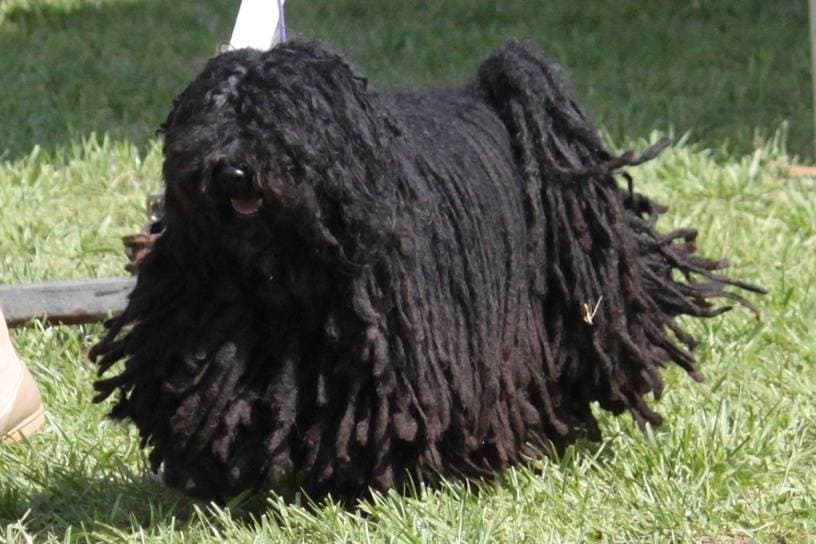
The Puli is a compact Hungarian herding dog, easily recognized by its corded coat. It should not be confused with the much larger Komondor simply because both can have cords. The American Kennel Club's Puli profile describes an agile working breed whose needs extend well beyond its unusual appearance.
History without guesswork
The breed has a longstanding association with Hungarian livestock work. Detailed claims about an exact ancient ancestor or why shepherds selected a particular color are harder to establish than the general working background. A resemblance to another shaggy breed is not proof of direct ancestry.
For a prospective owner, the practical lesson is that a Puli was developed to notice movement and respond actively. That can translate into alertness, quick learning and vocal behavior at home. Individual temperament varies, and neither working history nor a cheerful description guarantees perfect behavior around every visitor.
Give the mind and body work
Plan daily walks, sniffing opportunities, play and short training sessions. Activities should fit the dog's age, health and fitness. Puppies need exploration and movement without forced repetitive endurance work. In warm conditions, reduce strenuous activity and watch comfort closely rather than expecting a thick coat to remove heat risk.
Reward checking in, coming when called and settling indoors. Manage an urge to chase or herd children and other pets with supervision and appropriate separation. Teach a calmer alternative before excitement becomes difficult to interrupt. Harsh corrections do not explain what you want the dog to do.
Cords require active care
A corded coat is not a no-maintenance coat. As the adult coat develops, sections need careful separation so they do not form a solid mat that pulls on the skin. Ask an experienced Puli groomer or breeder to demonstrate the process on your dog. Coat texture and development vary, so a generic schedule may not be enough.
Check regularly for debris, skin irritation and damp areas, particularly around the feet, mouth and sanitary regions. Do not brush an established corded coat as though it were ordinary loose hair. If you prefer another coat style, discuss how to manage it comfortably with someone familiar with the breed.
Bathing and drying take planning
Wet cords can hold a great deal of water. Use suitable products, rinse thoroughly and remove excess water gently without rough twisting. Allow enough time and appropriate equipment to dry the coat completely. A surface that feels dry can hide moisture deeper in the cords.
Never leave a dog unattended with drying equipment or expose it to excessive heat. Persistent odor, redness or discomfort needs investigation rather than another bath. Plan grooming around your actual schedule; postponing it repeatedly can turn routine care into a difficult welfare problem.
Choose a dog you can support
Ask about parental health screening, veterinary records and early experiences with handling and household life. Meet adult dogs to understand the coat, sound and energy beyond puppy photographs. Rescue organizations may also help identify an individual whose needs fit your home.
Introduce grooming in short, rewarded stages and include nail, dental and ear checks in routine care. The Puli can be an engaging companion for someone who enjoys an active dog and accepts the work behind the cords.