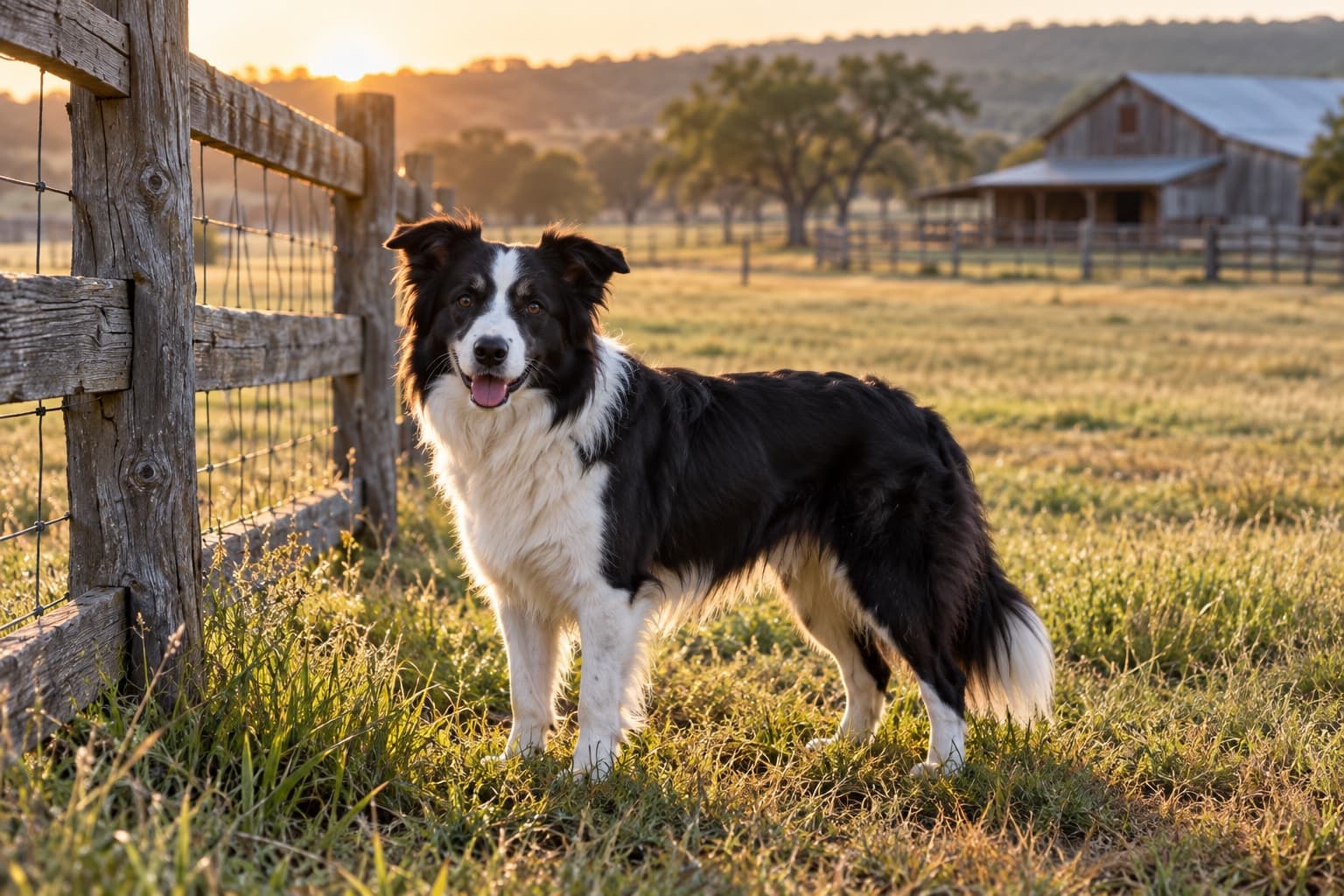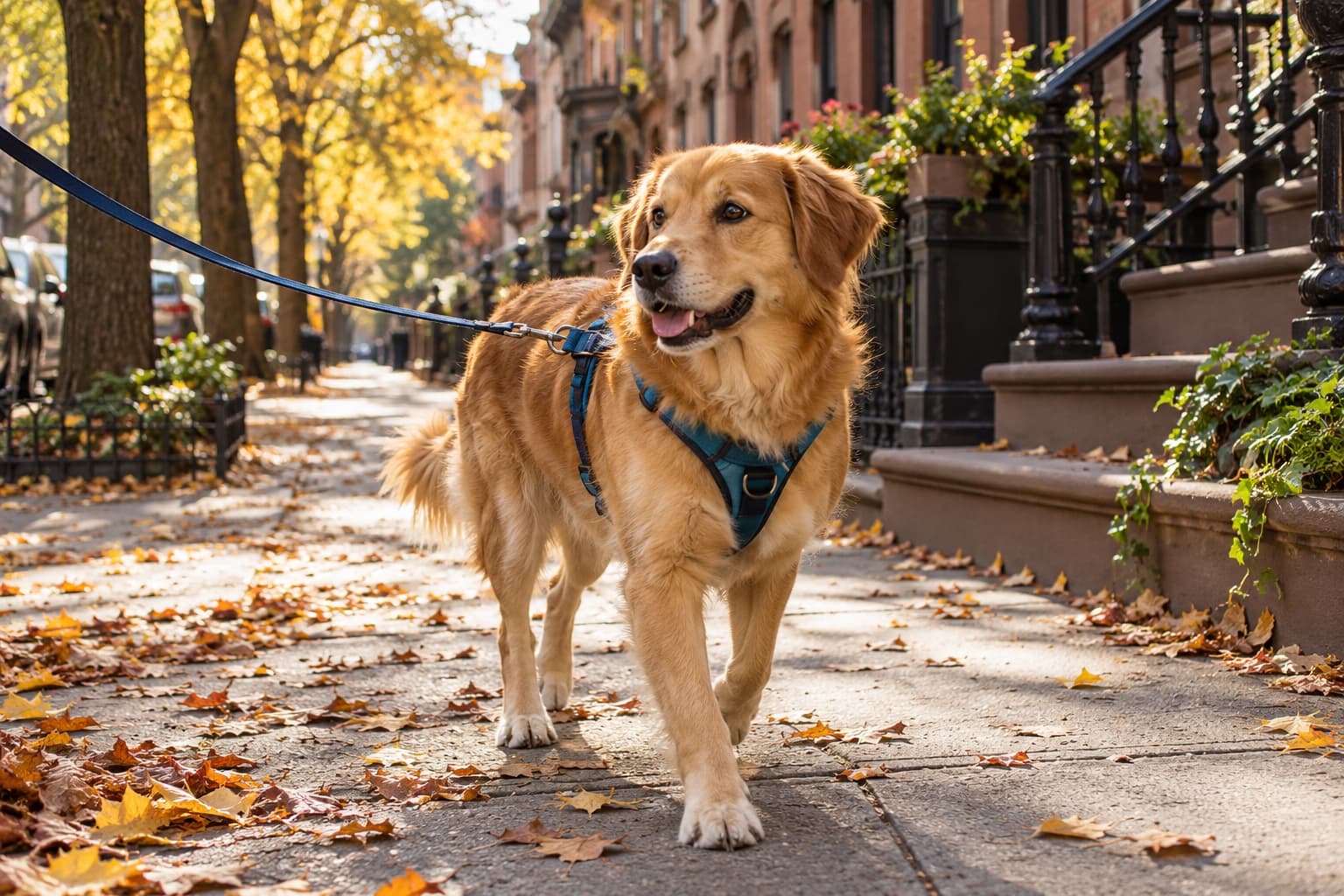
Dogs can see colors, but they do not experience the same range that most people do. Their color vision is usually described as dichromatic: two types of cone photoreceptors contribute to color perception, compared with three in typical human vision. Blue and yellow differences are generally easier for dogs to distinguish than red and green differences.
A different view of familiar objects
This does not mean that red objects vanish. A red ball still has shape, brightness, texture and scent. However, it may not stand out from a background in the way its vivid color does to you. A toy's visibility depends on the surface beneath it, the lighting and the contrast, as well as its color.
Descriptions such as "dogs see red as brown" are convenient approximations, not a way to reproduce another animal's exact visual experience. Individual eyes and viewing conditions also vary. A colored illustration on a screen is an explanation, not a literal window into a dog's mind.
How researchers investigate color
Scientists use controlled tasks in which animals learn to distinguish visual signals. A 2013 study of canine color cues found that dogs could use color information rather than simply choosing by brightness under the tested conditions. Such experiments challenge the old claim that dogs see only shades of gray.
The details of a study matter. The number of animals, the colors chosen, illumination and training can all affect a result. One experiment does not prove that every dog prefers a particular toy color or that color always matters more than movement. Researchers must separate genuinely different cues before deciding which one an animal used.
Choosing toys and training equipment
For play on grass, try a blue toy or another object that contrasts clearly with the surroundings. Watch whether your dog finds it easily instead of judging visibility only by how bright it looks to you. A yellow object may work well against one surface and blend into another.
Use consistent position, shape and spoken cues when teaching an exercise. Do not depend on two objects differing only in red and green if you need the distinction to be clear. If a dog struggles with a task, simplify it and change one feature at a time. This helps you discover whether the difficulty lies in visibility, understanding or motivation.
Color is only one part of seeing
Dogs also use movement, brightness and spatial information. Their visual abilities differ from ours in several ways, but claims that every dog sees a fixed number of gray shades or has exactly four times better night vision are misleading. Darkness, distance, breed-related anatomy, age and eye health all influence what an animal can detect.
Guide dogs do not need to read traffic lights as a person does to perform their work. Their training and partnership with the handler involve navigation, obstacles and safe responses; color vision should not be used to invent a simple explanation for every part of that complex task.
Notice changes in your own dog
If a dog begins bumping into objects, hesitating on steps or struggling to find familiar toys, consider an eye examination. Sudden vision loss, a painful eye or marked redness needs prompt veterinary attention. Move furniture cautiously for a dog with impaired sight and use predictable routes and verbal reassurance. Understanding normal color differences is useful, but it should never explain away a new change in vision.