Shepherd dogs are often praised for versatility, but no breed is a universal solution for guarding, sports and family life. German and Belgian Shepherds can be highly capable working partners. Their energy, sensitivity and physical needs deserve careful consideration before choosing one as a companion.
German and Belgian backgrounds
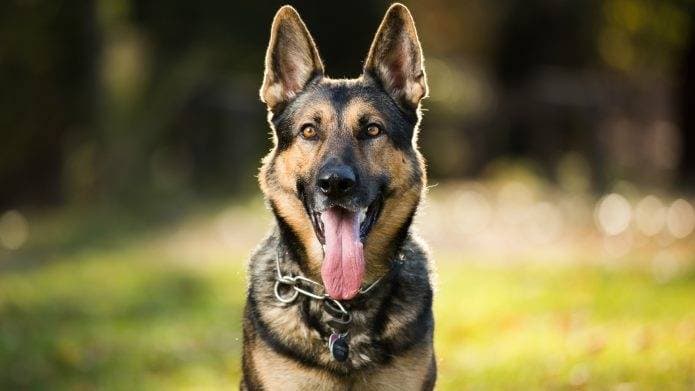
The German Shepherd is a distinct breed developed in Germany. Belgian Shepherds developed in Belgium and have their own standards and breeding histories. Similar working roles do not make the names interchangeable, and a dog's appearance alone does not explain its temperament or training needs.
The FCI Belgian Shepherd standard recognizes four varieties: Groenendael, Tervueren, Malinois and Laekenois. Their most visible differences concern coat type and color. The Groenendael has a long black coat; the Tervueren is longhaired with characteristic fawn or grey coloring and black overlay. The Malinois is shorthaired, while the Laekenois has a rough coat.
Registry terminology differs. For example, the AKC recognizes the Belgian varieties as separate breeds, with the Groenendael called the Belgian Sheepdog and Tervueren spelled Tervuren. Registration and breeding rules should be checked with the relevant organization rather than described as a single worldwide system.
Choose a dog, not a job title
Both German and Belgian Shepherds can be attentive and active. Working and companion lines may differ considerably, and individual dogs within a litter also vary. Ask about the parents' everyday behavior, the breeder's goals and the puppy's early experiences. A high-drive working puppy may be a difficult match for a quiet household.
Do not buy a dog on the assumption that it will instinctively identify dangerous people or protect children without guidance. Reliable working skills require specialist selection and training. A family companion needs predictable routines, humane teaching and safe management around visitors and other animals.
Balance activity with the ability to settle
Plan daily walks, sniffing, play and short lessons. Mental engagement matters, but constant excitement can make relaxation harder. Teach a comfortable resting routine and provide undisturbed sleep. Increase exercise according to age and fitness rather than trying to exhaust the dog every day.
Introduce unfamiliar sounds, surfaces and people gradually. Reward calm observation and allow distance when the dog is uncertain. Repeatedly forcing a worried dog into busy environments can make problems worse. Seek qualified support early if chasing, nipping or reactivity becomes difficult to manage.
Care and housing
Coat maintenance varies between the Belgian varieties and the German Shepherd, but all need regular checks of skin, nails, ears and teeth. A weather-resistant coat does not make a dog immune to heat, cold or illness. Provide comfortable shelter and family contact; permanent isolation outdoors is not a substitute for an appropriate routine.
Ask for relevant health-screening records, including orthopedic assessments where recommended, and discuss them with your veterinarian. Choose sound movement and physical comfort over an exaggerated outline. Before committing, consider who will provide care during work hours and whether the household can sustain training, exercise and veterinary costs throughout the dog's life.