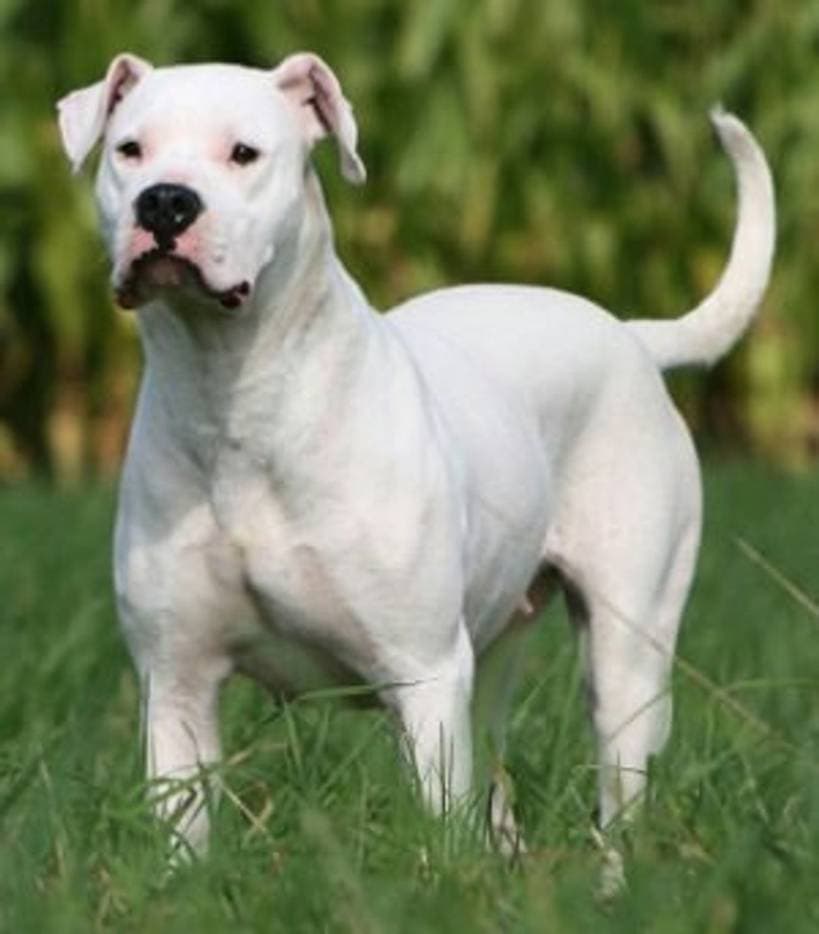
The Dogo Argentino is a muscular, predominantly white dog developed in Argentina. Antonio Nores Martinez played a central role in its development as a big-game hunting breed. Describing the modern dog mainly through fighting, cruelty or guaranteed victories over other dogs gives a distorted and unhelpful picture.
Understand the background
The AKC breed profile describes a strong, athletic working dog. Hunting heritage can be relevant to activity and interest in other animals, but it does not determine every individual's behavior. Neither constant aggression nor automatic reliability should be assumed.
Natural ears are normal anatomy; cropping is not required for a dog to be a valued companion. Do not choose a puppy solely for a dramatic outline or claims about protection. Health, behavior and suitability for the household matter more.
Plan training and management early
Use reward-based teaching for lead walking, recall, settling and comfortable handling. Begin in easy settings and increase distractions gradually. Strength and persistence are reasons for clear preparation, not for harsh corrections or confrontations.
Secure fencing and well-fitted equipment are important. Keep the dog on a lead in public unless the setting, local rules and demonstrated reliability make off-lead activity appropriate. Never release it near another animal to test whether it will fight or obey.
Introduce dogs and other pets carefully with knowledgeable support when needed. Some individuals may be unsuitable for close contact with particular animals. Management should reflect observed behavior and risk, rather than promises that raising a puppy with another pet guarantees safety.
Provide suitable activity and rest
A Dogo needs opportunities for exercise and mental engagement, matched to age, fitness and health. A country property does not automatically meet those needs, and an urban home requires particularly careful planning for safe activity.
Avoid pushing a growing puppy into strenuous exercise. Discuss conditioning for sports with the veterinarian and allow recovery between activities. In hot weather, adjust timing and intensity; in cold conditions, the short coat may require additional protection.
Protect children and visitors
Adults must supervise interactions closely and provide physical separation when they cannot watch. No dog should be expected to tolerate grabbing or to supervise a child. Teach calm greetings and give the dog a private resting area.
Plan visitor routines before problems occur. If the dog stiffens, guards resources or reacts fearfully, seek veterinary and qualified behavior advice. Encouraging suspicion of strangers is not a safe substitute for household security.
Review health and practical requirements
Ask about appropriate parental health screening, including hearing and orthopedic assessment. White-coated dogs in this breed can have congenital deafness, and formal hearing testing is more informative than assuming a puppy hears because it reacts to movement.
Arrange routine preventive care and monitor body condition, movement and skin. Persistent lameness needs veterinary assessment. Before acquisition or travel, check current local restrictions, housing rules and insurance conditions directly with the relevant providers.
Budget for secure equipment, training and veterinary care throughout adulthood. A responsible match depends on the caregiver's ability to manage a powerful dog humanely and consistently, not on a promise that it will protect the family at any cost.