
A parrot may copy a greeting, a laugh or the sound of a phone with startling accuracy. This talent comes from vocal learning: the bird can modify sounds it produces after hearing others. Yet speech varies greatly between individuals. A healthy, well-cared-for parrot may never say a recognizable word.
Why familiar sounds become important
Parrots are social birds, and calls help them maintain contact and respond to one another. In a human household, familiar voices and everyday noises become part of the sound environment. A bird may learn a phrase associated with attention, an activity or a person, especially when that sound consistently produces a response.
For example, a parrot may say a greeting when someone enters the room or repeat a bedtime phrase as the lights go down. This shows an association with a situation, but it does not by itself demonstrate the same understanding a person has. A phrase used at an unexpected moment can be amusing without being evidence of a complicated hidden intention.
Mimicry and understanding are different questions
Research with African grey parrots has shown that carefully trained individuals can learn labels for objects and properties and use some concepts in controlled tasks. Work associated with Irene Pepperberg and the Alex Foundation is an important example. Such findings show that parrot learning can go beyond simply copying a sound.
They do not mean that every pet parrot understands all the sentences it repeats. Claims about understanding need controlled observation, not just a convincing voice or a well-timed phrase. A bird may recognize one meaningful part of a familiar sequence while reproducing the rest because it has heard it many times.
Owners can still communicate usefully without testing their bird's intelligence. Consistent cues for stepping onto a perch, returning to an enclosure or choosing a toy can make daily care more predictable. Watch the bird's posture and choices as well as listening to its words.
How parrots produce sound
Birds produce voice using a structure called the syrinx, rather than human-style vocal cords. Parrots also shape sounds using movements of the tongue and other parts of the vocal tract. Their ability to imitate speech does not depend on having the same anatomy as a person.
Some birds reproduce tone and rhythm especially clearly; others make approximate versions of words or prefer whistles and household noises. Pitch alone does not explain which voice a bird will copy. Exposure, motivation and individual learning all matter.
Which parrots may learn words?
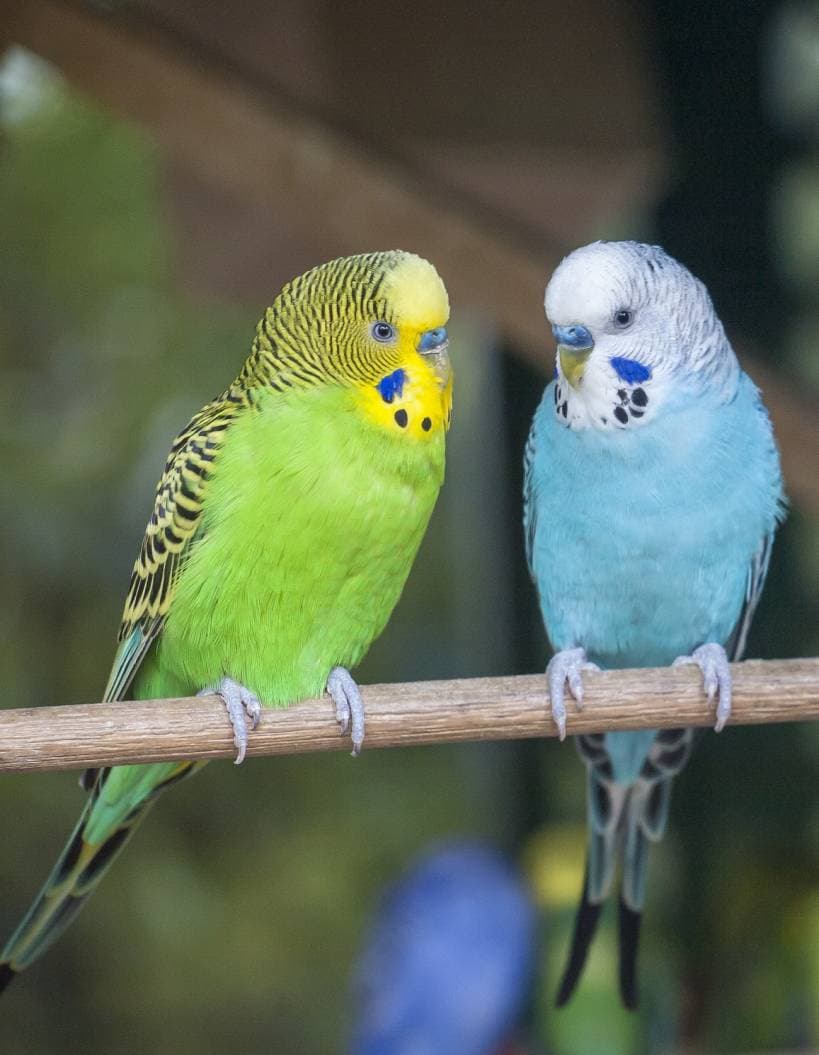
African greys, Amazon parrots and budgerigars are among the birds known for vocal imitation. Cockatoos and other parrots may also learn recognizable speech, while some individuals concentrate on calls or whistles. Species reputation is a tendency, not a guarantee or a reason to rank one bird's worth above another's.
Age and sex can influence patterns in some species, but neither gives a universal prediction. An older bird can learn new sounds. A young bird may remain quiet, and a bird advertised as a guaranteed talker may not speak after moving into a different household. Choose a companion for its whole range of needs, including noise, space, social contact and potential lifespan.
Encourage communication kindly
Start with a relaxed bird and a quiet setting. Use a short phrase naturally during an activity, such as a greeting when you arrive. Repeat it consistently, then pause to let the bird respond. If it makes an interested sound or a small attempt, reward that participation with attention or another reward it enjoys.
Keep sessions brief and end while the bird remains comfortable. Do not withhold meals, isolate the bird, cover its cage during the day or repeat recordings for hours to force speech. Those methods can damage welfare and are unnecessary for a pleasant relationship.
Use rewards carefully: a tiny food treat can be useful, but training should not unbalance the diet. A favorite game or calm social interaction may also be rewarding. Teach practical behaviors alongside words, including approaching a perch voluntarily and accepting a carrier in gradual steps.
Listen beyond human language
A bird that leans away, freezes, flattens its feathers tightly or tries to leave may need more distance. Body language depends on context and species, so learn your own bird's normal behavior. A spoken invitation does not override clear signs that the bird wants to avoid handling.
Normal parrot calls can be loud. Provide enrichment, foraging opportunities and a predictable social routine instead of punishing the bird for being vocal. Be thoughtful about the sounds you react to: excited laughter or shouting can accidentally make an unwanted imitation more rewarding.
A sudden loss of voice, altered breathing or a marked change in normal activity should be discussed with an avian veterinarian. Do not assume every change is a training problem. The best result is a bird that can communicate its needs and live comfortably, whether its vocabulary contains many words or none.


