
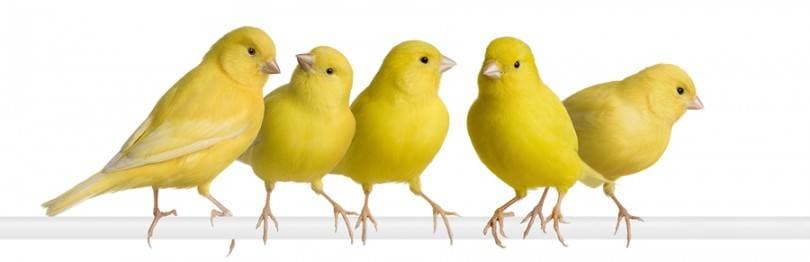
Canaries are small songbirds with a long history of domestication. Domestic varieties have been developed for song, color and body shape. Their lively movement and calls can make them rewarding companions, but a small bird still needs a thoughtfully equipped home and daily attention.
Space to move safely
Choose a cage that gives the bird room for horizontal flight between perches. A tall, narrow cage is not a substitute for useful flying space. Bar spacing must prevent the head from becoming trapped, and doors should close securely. Avoid rust, peeling coatings, sharp edges and furnishings that crowd the flight path.
Place perches at different useful positions without arranging them directly over food or water. A variety of safe perch diameters helps the bird use its feet in different ways. Do not cover every perch with abrasive material. Keep the cage in a bright, settled area away from drafts, direct overheating and kitchen fumes.
Many canaries enjoy bathing. Offer a shallow dish of clean water and let the bird choose whether to use it. Remove the dish when bathing is finished or the water becomes dirty. Never force a canary into water or spray cleaning products near it.
Balanced food and fresh water
A bowl of seed alone is not a complete feeding plan. Discuss a suitable canary diet with an avian veterinarian, including an appropriate formulated food and a controlled amount of seed and fresh produce. Introduce changes gradually and confirm that the bird is actually eating the new food. Small birds should never be starved into accepting a different diet.
Offer washed, suitable vegetables in small pieces and remove perishable leftovers promptly. Fruit is an occasional addition, not the basis of the diet. Avoid avocado, chocolate, alcohol, caffeine and salty or sugary human snacks. Bread and a homemade mixture of equal amounts of several seeds do not reliably meet nutritional needs.
Replace drinking water daily and whenever it is contaminated. Wash food and water dishes, rinse thoroughly and inspect seed bowls: a surface covered in empty husks may look full when little edible food remains. With more than one bird, provide feeding stations that each can reach without being driven away.
Do not routinely add charcoal or crushed eggshell. Canaries do not require grit, and swallowing too much can cause obstruction. Ask an avian veterinarian whether a specific supplement is needed and how it should be offered. Calcium requirements and the risks of excessive supplementation depend on the bird's diet and reproductive condition.
Song, rest and companionship
Male canaries commonly produce more elaborate songs, but the amount of singing depends on the individual, season, molt and health. A bird that is not singing is not automatically unhappy, and song is not a reliable health test. Give the bird a predictable routine and an uninterrupted dark, quiet resting period each night.
Canaries are often happiest when people watch and interact gently rather than repeatedly handle them. Approach calmly and avoid chasing the bird around its cage. If you offer flight time in a room, close windows and doors, cover hazards and turn off ceiling fans. Keep cats and dogs securely elsewhere.
Do not assume two canaries will live peacefully in any cage. Territorial behavior, particularly around breeding, can lead to chasing or injury. Have separate accommodation available and seek experienced advice before introducing birds. Quarantine a newcomer separately under veterinary guidance before allowing contact with an established bird.
Breeding requires preparation
Breeding is not an effortless extension of pet care. Egg production and chick rearing place demands on the female, and incompatible birds may fight. Before providing a nest, discuss nutrition, health, space and a plan for the offspring with an avian veterinarian or a responsible, experienced breeder.
A female straining, sitting low, appearing weak or having difficulty breathing may need urgent help. Do not try to remove a retained egg yourself. Repeated laying also warrants advice; continuously encouraging new clutches can harm the bird.
Watch the individual bird
Check appetite, droppings, posture and activity every day. A canary that stays fluffed up, sits on the cage floor, breathes with effort or suddenly stops eating needs prompt veterinary assessment. Birds can conceal illness until it is advanced. A small digital scale and a weight record can help an experienced owner notice changes, provided weighing is done calmly and safely.


