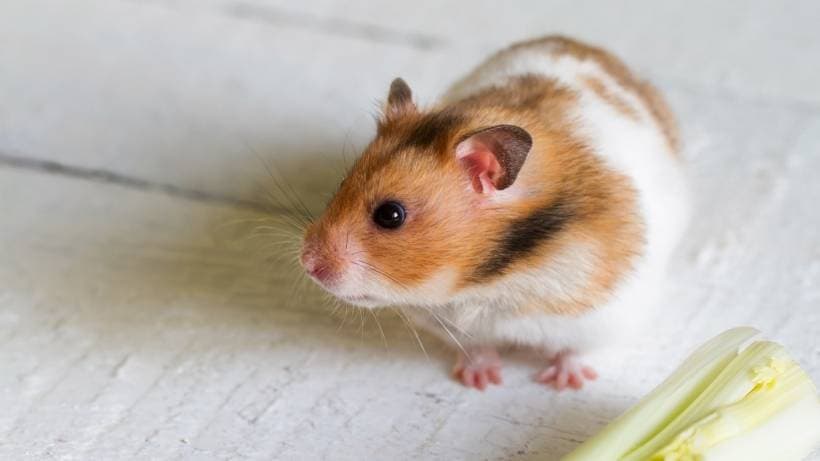
Hamsters are small animals with care needs. They can suit a household that enjoys observing burrowing, foraging and exploration, but they are not a guaranteed easy pet for a child. Consider these seven points before deciding whether one fits your home.
1. Small animals still need space
A hamster needs a large usable floor area and deep, suitable bedding for burrowing. Extra shelves do not replace floor space, and high climbing structures can create fall risks. The RSPCA's housing guidance explains the importance of a secure, enriched environment rather than a tiny display cage.
Plan where the full enclosure will stand before acquiring the animal. It needs good ventilation, protection from direct sunlight and a location away from predators and frequent disturbance. Check door gaps and fastening points carefully.
2. Company needs depend on the species
Syrian hamsters must be housed alone, and separate housing is generally the safest routine arrangement for pet hamsters. Do not add a companion because a solitary hamster seems lonely to a person. Fighting can cause serious injury, and being littermates does not guarantee lifelong compatibility.
Ask for accurate species and sex identification. If you are caring for more than one hamster, have separate complete enclosures available rather than relying on a divider or hoping conflict will stop.
3. Handling must be gentle
Hamsters can bite, especially when startled, awakened or restrained. A Syrian hamster is not guaranteed to be docile, and a nervous response does not prove that a previous owner mistreated it. Allow the animal to wake naturally and become familiar with your presence.
Offer calm contact close to a safe surface and let the hamster approach a hand or suitable container. Children need adult supervision. Avoid chasing it around the enclosure or lifting it high above the floor.
4. Diet needs balance
Use an appropriate hamster diet and suitable small additions, with fresh water available. A bowl of seeds alone can encourage selective eating and may not provide balanced nutrition. Ask a knowledgeable veterinarian about portions for the species and individual.
Check stored food as well as the visible bowl. Hamsters hoard supplies, and fresh items can spoil in a nest. Introduce changes gradually and avoid sugary, salty or seasoned human snacks.
5. Their schedule may differ from yours
Hamsters commonly become active in the evening and at night. They should not be repeatedly awakened to fit a child's playtime. Decide whether the household will enjoy an animal that may spend much of the day sleeping.
Daily care still matters even when the hamster does not want handling. Check water flow, food, enclosure security and signs of illness. Arrange a responsible caregiver during holidays.
6. Exercise should offer choice
Provide a suitably sized solid-surface wheel that allows comfortable movement, along with tunnels, hides and foraging opportunities. A secure supervised play area can add variety when appropriate.
The RSPCA does not recommend hamster balls because of welfare and injury concerns. A ball is not a substitute for supervision or a way to let a hamster roam safely among furniture, stairs and other animals.
7. Cleaning and health need attention
Remove wet bedding and spoiled food regularly while avoiding unnecessary destruction of the entire nest. Preserve some clean familiar material when appropriate, and do not use fluffy bedding that can tangle around limbs.
Find a veterinarian who treats hamsters before problems arise. Diarrhea, breathing difficulty, wounds, loss of appetite or unusual lethargy needs prompt advice. A low purchase price does not make treatment optional or mean the animal can safely wait several days for help.