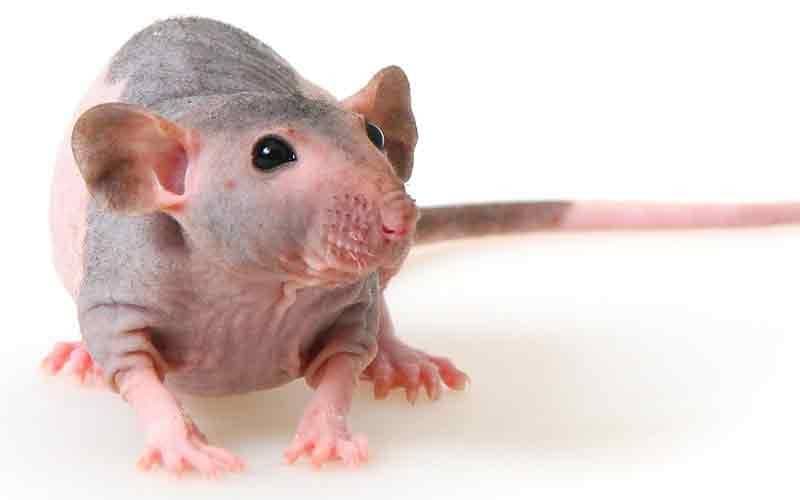
Hairless rats are domestic rats with little or no visible coat. The name "Sphynx rat" is used informally, but it does not establish a single uniform breed or guarantee particular health or behavior. Their unusual appearance should be a reason to research their needs carefully, not a reason to buy impulsively.
Hairless does not mean allergy-free
Pet allergens come from proteins in substances such as skin material, saliva and urine, rather than fur alone. The AAAAI's pet-allergy guidance explains why removing hair does not remove the underlying source. A hairless rat cannot be promised as safe for someone with an animal allergy.
If allergies or asthma are a concern, discuss the situation with a clinician before acquisition. Do not assume that repeated exposure will cure symptoms. Clean housing is important, but it cannot make an animal biologically allergen-free.
Provide rat companionship and activity
Rats are social animals and generally need compatible rat companions. Arrange introductions carefully and have sex confirmed to prevent unplanned litters. Human attention and warmth do not replace the opportunities to interact with another rat.
Use a spacious, secure, well-ventilated enclosure with safe climbing opportunities, shelters and comfortable resting areas. Inspect furnishings for sharp edges and rough surfaces that may injure exposed skin. Remove damaged fabric before loose threads can become a hazard.
Protect the skin without over-treating it
Keep the environment comfortably stable, away from direct sun, cold drafts and uncontrolled heat sources. Hairless skin is not suited to sunbathing, and another rat's body warmth does not make an unsuitable room temperature safe. Check the enclosure at different times of day.
Do not routinely coat the rat in cooking oil, essential oils or human cosmetics. Frequent bathing and scrubbing can also irritate the skin. Ask a rat-experienced veterinarian about persistent dryness, crusts, swelling or sores before applying a product.
Keep bedding clean, dry and low in dust. If spot cleaning of the animal is needed, use a gentle method advised by the veterinary team and prevent chilling. A skin change may reflect injury, parasites or disease rather than a simple need for more washing.
Feed and monitor the individual
Offer a balanced rat diet, suitable small additions and fresh drinking water. A seed mixture and table scraps are not a dependable complete ration. Monitor weight and body condition instead of assuming that every hairless rat needs a fixed extra quantity of food.
Check appetite, breathing, movement and the eyes daily. Eye irritation, repeated squinting, discharge or a visible injury needs veterinary assessment; do not try to remove material with cotton buds or use leftover eye drops.
Arrange routine care and budget for illness before bringing rats home. Hairlessness alone cannot predict lifespan, temperament or the exact problems an individual will develop. Reliable records, suitable housing and prompt attention to change are more useful than promises that the pet will be odorless or always affectionate.
Inspect shared sleeping areas for dampness and replace soiled bedding promptly. A clean-looking upper surface can conceal moisture underneath.