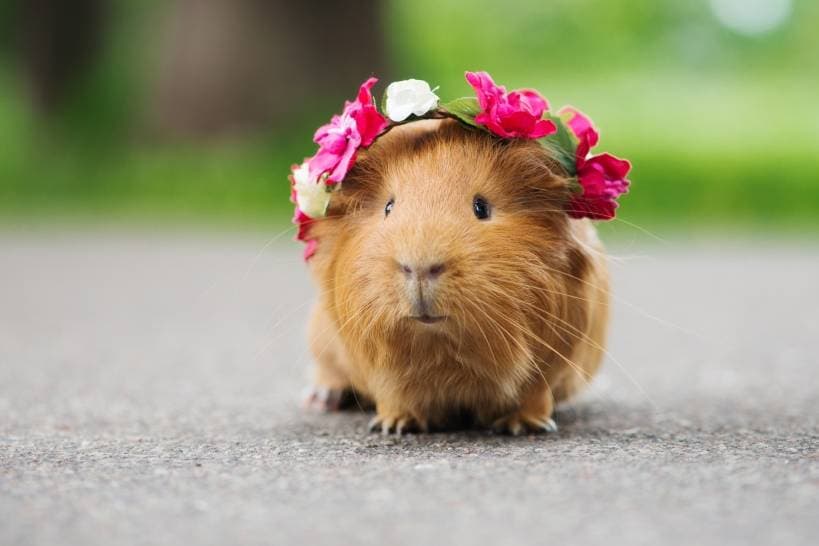
Guinea pigs are social, curious animals with distinct personalities. They may learn familiar sounds and routines, but they are not automatically cuddly or suitable for unsupervised handling by children. An adult must take responsibility for their daily care and veterinary needs.
Choose compatible companions
Plan for compatible guinea pig company rather than expecting a person to meet every social need. Pairing depends on the animals, available space and careful introductions. Have sex confirmed by someone experienced and prevent accidental breeding; two animals sold as the same sex may have been misidentified.
Provide several retreats and feeding locations so one animal cannot easily block the other's access. Watch for persistent chasing, injury or an animal repeatedly prevented from eating. Do not assume that sharing an enclosure proves the relationship is comfortable.
Give them room and security
Guinea pigs need a spacious, secure enclosure with substantial floor area, soft dry bedding and safe hiding places. A small cage is not enough simply because the animals fit inside it. Provide opportunities to explore and move without exposure to cables, toxic plants or other pets.
They are prey animals and may be cautious when first brought home. Sit nearby, move calmly and allow them to approach. Support the whole body during necessary handling and keep them close to a safe surface. Any guinea pig can bite if frightened or hurt.
Feed hay and supply vitamin C
The RSPCA's feeding guidance identifies hay as the main part of the diet and explains the importance of vitamin C. Offer appropriate guinea pig pellets and suitable fresh vegetables alongside hay and clean water. Rabbit food is not an equivalent substitute.
Introduce fresh foods gradually. Grass must come from a safe, untreated area, and lawnmower clippings should not be offered. Do not collect plants that you cannot identify confidently or assume that anything growing outdoors is suitable food.
Observe each animal daily
Remove wet bedding and spoiled food promptly, then clean the enclosure thoroughly as needed. The right schedule depends on the setup and number of animals, rather than a universal twice-weekly rule. Strong odor or damp flooring is a sign to review the routine.
Guinea pigs are active in repeated periods through the day and night. Their sounds and movement may be noticeable near bedrooms, so choose the enclosure's position carefully. A quiet, well-ventilated location away from heat and disturbance is more useful than expecting human sleeping hours.
Prepare for veterinary care
Find a clinic experienced with guinea pigs before an emergency. Record weight regularly and note changes in eating, droppings or behavior. Reduced appetite, breathing difficulty, pain or marked lethargy needs prompt attention; waiting for obvious collapse can lose valuable time.
Keep the animals' records separate even when they live together. A shared bowl can hide the fact that one is eating less. Daily observation and a sensible care budget are part of responsible ownership, not optional extras for a small pet.
Before adoption, agree who will perform the daily checks and who can provide holiday care. Keep enough familiar food and bedding available so that an unexpected delay in shopping does not force a sudden change.