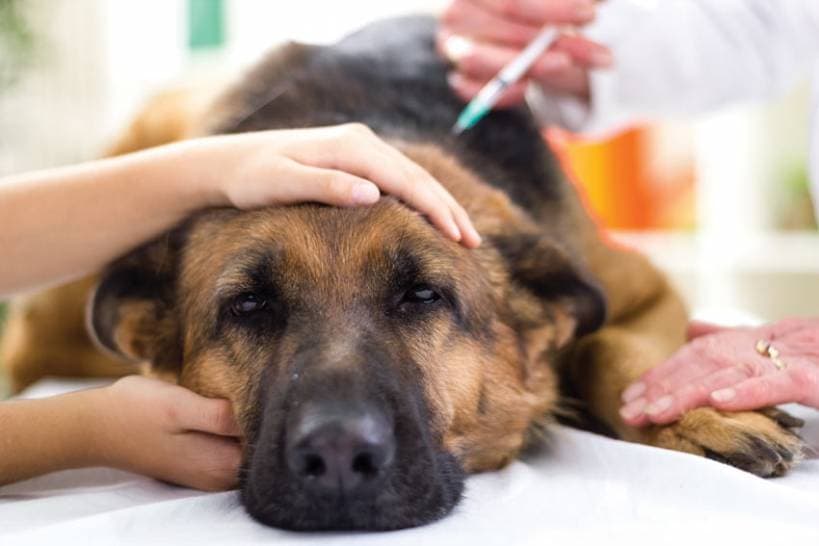
A dull coat, low energy or reduced appetite can have many causes. Diet matters, but these signs do not prove that a dog simply needs a different food. Arrange a veterinary check for persistent or sudden changes, especially if weight loss, vomiting, diarrhea or unusual thirst is also present.
Start with nutritional adequacy
Choose a complete and balanced food appropriate for the dog's life stage and health needs. In the United States, look for the nutritional adequacy statement rather than relying on attractive packaging or words such as natural and premium. AAHA's nutrition guidelines explain why the statement matters when assessing whether a food can serve as the main diet.
Dry and wet foods can both be suitable. A product sold as a treat, topper or complementary food should not automatically replace the main ration. Ask your veterinary team about diets for growth, pregnancy or a diagnosed medical condition, since these situations need more than a standard adult feeding plan.
A homemade mixture of meat, vegetables and grains is not necessarily balanced. If you want to cook for your dog, obtain a recipe formulated for that individual by a qualified veterinary nutritionist and follow it precisely. Ingredient substitutions and omitted supplements can change its nutritional value.
Measure food and watch the dog
Use the package feeding guide as a starting point, then adjust with veterinary advice according to body condition, activity and weight trends. A kitchen scale can make portions more consistent. Include food used in training when calculating the day's intake instead of adding it unnoticed on top.
Many adult dogs do well with two meals, but there is no universal rule forbidding more frequent small meals. Puppies and dogs with some medical needs require different schedules. Fresh drinking water should be available, and bowls should be kept clean.
The WSAVA guidance on dog treats recommends keeping treats within 10 percent of daily calories. Some dogs on prescribed diets need different restrictions. A small dog's allowance can be used up surprisingly quickly, so break suitable treats into small pieces and use praise or play as additional rewards.
Make changes thoughtfully
When switching a healthy dog's food, ask about a gradual transition and monitor stools and appetite. Do not keep changing several foods at once when trying to identify a problem. Record the exact product, amount fed, treats and any supplements so your veterinarian has a useful picture of the whole diet.
Avoid cooked bones and foods containing chocolate, grapes, raisins, onions or xylitol. Store food securely and follow the manufacturer's storage instructions. If a dog eats a suspected toxin, contact a veterinarian promptly rather than waiting for symptoms or inducing vomiting yourself.
Good feeding is a repeatable routine, not a search for one miraculous ingredient. Regular weight checks and honest records make it easier to spot a problem early and adjust the plan to the dog in front of you.