Puppies need help staying clean, but bathing frequency depends on coat, skin health, lifestyle and the reason for washing. Neither almost never nor every three to five days is a rule for all dogs. Ask your veterinarian or an experienced groomer for a routine suited to your puppy.
Prepare a safe place
Use a secure surface with a nonslip mat and keep supplies within reach. A puppy can jump or fall from an elevated table or basin, so do not leave it unattended. Choose comfortably lukewarm water and a dog-appropriate cleanser, following the product directions.
VCA's guidance on grooming and coat care explains why products and frequency should suit the individual dog. Human shampoo, strong fragrances and improvised antiseptics may irritate skin. If there are sores, painful areas or an unexplained rash, seek advice before bathing or applying treatment.
Introduce handling gradually
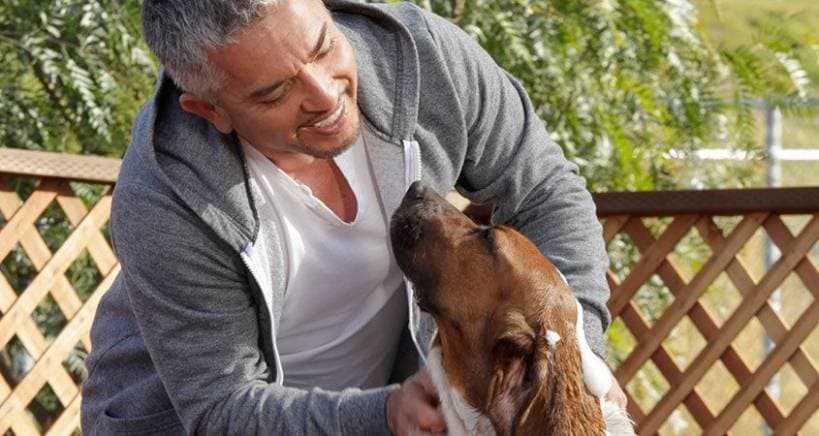
Let the puppy explore the dry bathing area first and reward calm participation. Practice gentle contact with paws and the body in short sessions. If it becomes frightened, take an easier step rather than holding it down until it stops struggling.
During a necessary bath, wet the body gently and keep water and cleanser away from the face and ear canals. Wipe the face carefully with a damp cloth when appropriate. Do not push cotton buds into the ears or assume that deeper cleaning is better.
Rinse thoroughly and towel-dry gently. Keep the puppy warm while it dries, and avoid a hot or frightening dryer. If a prescribed skin treatment has different instructions, follow the veterinary plan and ask for help if you cannot perform it safely.
Care between baths
Brush or comb as the coat requires, checking for small tangles before they become painful mats. Inspect paws after outings and remove loose debris gently. Persistent odor, scratching, redness or hair loss needs assessment; repeated washing may hide the pattern without addressing the cause.
Keep bedding clean and dry. A puppy that repeatedly soils its resting place may need more frequent toilet breaks, a different setup or a health check. Hygiene works best alongside a routine that allows normal toileting and adequate rest.
Nails, teeth and routine checks
Nail care should follow actual growth and comfort, not a universal instruction to start on the sixth day of life. Ask your veterinary team to demonstrate suitable tools and how to avoid the quick. Begin with brief paw handling and reward cooperation, trimming only what you can manage confidently.
Introduce a soft toothbrush and dog-safe toothpaste gradually. Check ears externally and discuss discharge, pain or head shaking with your veterinarian. Making these small experiences predictable helps the puppy accept future examinations without turning every care session into a struggle.