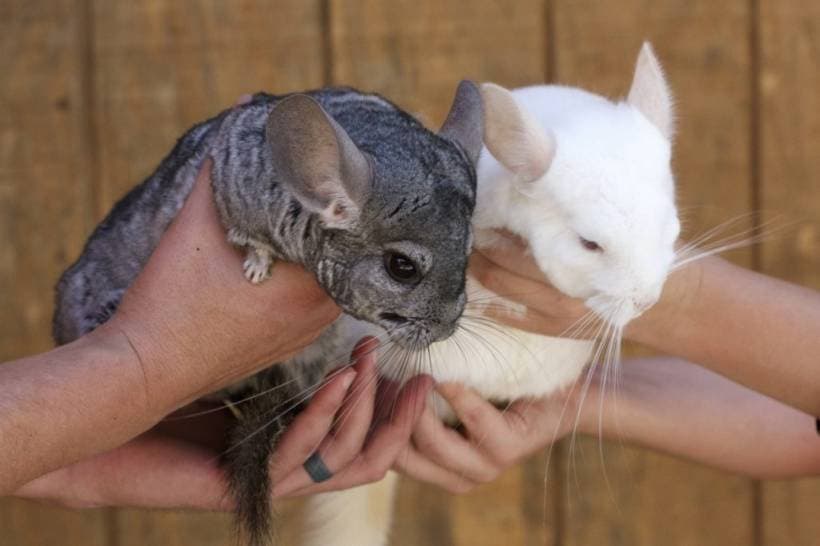
Chinchillas are active rodents with dense fur, large ears and strong hind legs. Their soft appearance can be misleading: they are not low-maintenance toys and may dislike being restrained. They can live for many years, so choosing one means planning for long-term housing, veterinary care and daily attention.
Assess more than appearance
A bright expression and clean coat are useful observations, but they do not prove that an animal is healthy. Ask about age, diet, companions, previous illness and veterinary care. Watch the chinchilla move and eat without repeatedly disturbing it.
Discharge from the eyes or nose, drooling, a wet chin, weight loss or reduced activity needs investigation. Avoid blaming every symptom on poor ownership; several medical conditions can look similar. Arrange an examination with a veterinarian experienced in chinchillas after adoption and whenever concerns arise.
Provide room to move
The RSPCA's chinchilla housing advice emphasizes space for running and jumping, secure resting places and safe furnishings. A small cage with one shelf is not adequate lifelong accommodation. Position platforms to allow activity while reducing the risk of a long fall.
Choose safe, cleanable surfaces and inspect them for damage from chewing. Provide suitable hiding areas, hay and drinking water in accessible locations. Keep wires, toxic plants and household chemicals out of any supervised exercise area, and check that doors and gaps are secure.
Chinchillas generally benefit from compatible chinchilla company. Introductions need care, and unfamiliar animals should not simply be placed together. Ask a rescue or experienced professional for help with pairing and prevent unplanned breeding.
Keep the environment cool
Dense fur makes chinchillas vulnerable to overheating. Avoid direct sunlight, hot rooms and poorly ventilated enclosures. Monitor the room during warm weather and have a practical cooling plan; a fan blowing warm air around is not a complete solution.
Choose a calm location that allows daytime rest. Normal household activity can be introduced gradually, but constant noise, rough handling or attention from predatory pets can be stressful. A retreat should remain available even when the animal is becoming familiar with people.
Feed for digestive and dental health
Provide good-quality hay, a suitable chinchilla pellet ration and fresh water. Avoid sugary treats and sudden diet changes. Seed mixes and abundant fruit are not a substitute for the high-fiber diet these animals need.
Check that the water bottle works and that food is actually being eaten. Weigh the animal regularly using a consistent method. A bowl that looks disturbed does not prove adequate intake, particularly in a shared enclosure.
Maintain the coat safely
Offer a suitable chinchilla dust bath and keep the dust clean. Remove contaminated material and adjust the routine with advice if the skin becomes irritated. Do not routinely bathe a chinchilla in water or use household powders on its coat.
Handle gently and support the body close to a secure surface. Never lift by the tail or squeeze to stop struggling. Reduced eating or droppings, breathing difficulty or marked lethargy requires prompt veterinary care rather than waiting for the next routine cleaning day.