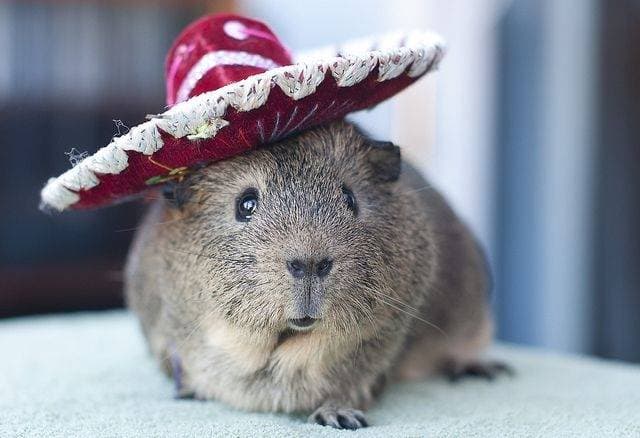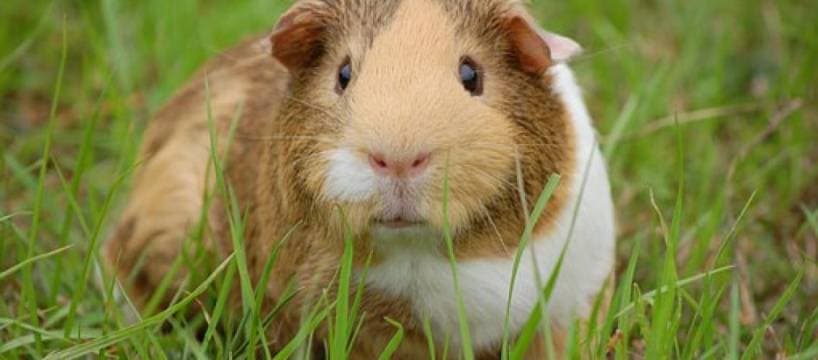
A cavy is a guinea pig: a social rodent that needs room to move and a secure place to rest. Good housing supports normal behavior and makes daily health checks easier. It should be planned for the whole group, rather than calculated from the smallest space in which each animal can physically fit.
Prioritize usable floor space
Provide a spacious enclosure with a solid, comfortable floor and safe access to hay, water and resting places. A 40-by-40-centimeter area per animal is not an adequate general housing recommendation. Upper levels do not replace the need for a substantial main floor area.
Arrange several shelters and feeding points. Hides with more than one exit can help prevent an animal becoming trapped by a companion. Keep routes wide and unobstructed, and watch whether all animals can use the resources comfortably.
Choose compatible company
Guinea pigs normally benefit from compatible guinea pig companions. Seek advice about introductions and have sex checked by an experienced person. Prevent unplanned breeding rather than using a formula for keeping many females with one male.
The RSPCA advises against housing rabbits and guinea pigs together. They have different needs, and rabbits can injure guinea pigs or expose them to disease. A larger animal sharing a cage is not an appropriate substitute for a companion of the same species.
Keep bedding dry and suitable
Use safe, absorbent, low-dust bedding or a properly maintained washable system. Avoid dusty sawdust, scented materials and clumping cat litter. Check any new product for suitability rather than assuming that strong odor control makes it safe for guinea pigs.
Remove wet areas and spoiled food promptly. A thorough cleaning schedule depends on the enclosure and number of animals, but daily inspection is essential. Wash and dry reusable materials carefully, and replace damaged surfaces that cannot be cleaned effectively.
Protect against weather and predators
Choose a location away from direct sunlight, overheating and cold wet conditions. Monitor the actual enclosure, not just the temperature reported for the room or garden. A shaded spot can become sunny later in the day, and a sheltered box can still become dangerously hot.
Outdoor exercise requires a secure run with protection from predators and escape. Check the ground for toxic plants, treatments and hazards. Introduce fresh grazing gradually, and never leave guinea pigs exposed to unsuitable weather because they have a small shelter available.
Make movement safe
Provide tunnels, hiding places and safe foraging opportunities. During supervised floor time indoors, block access to electrical cables, narrow gaps and other pets. The goal is confident exploration, not chasing the animals around an unfamiliar room.
Use calm handling and support the body close to the ground. Guinea pigs can learn familiar routines, but a frightened animal may freeze or struggle. Allow new arrivals time to settle and use predictable care rather than forcing repeated cuddles.
Connect housing with health
Hay should remain available, alongside an appropriate guinea pig diet, suitable vegetables and clean water. Check bottle flow and watch each animal eat. Guinea pigs require dietary vitamin C; housing and diet need to be planned together.
Keep individual weight records and note appetite, droppings and movement. Reduced eating, breathing difficulty or marked lethargy needs prompt veterinary attention. A good enclosure makes these changes easier to see, but it does not remove the need for a clinic experienced in treating guinea pigs.
Before using a new enclosure, walk through the daily routine: filling water, removing wet bedding, reaching each hide and safely lifting an animal when necessary. Easy access makes consistent care more likely and avoids stressful chasing during routine checks.