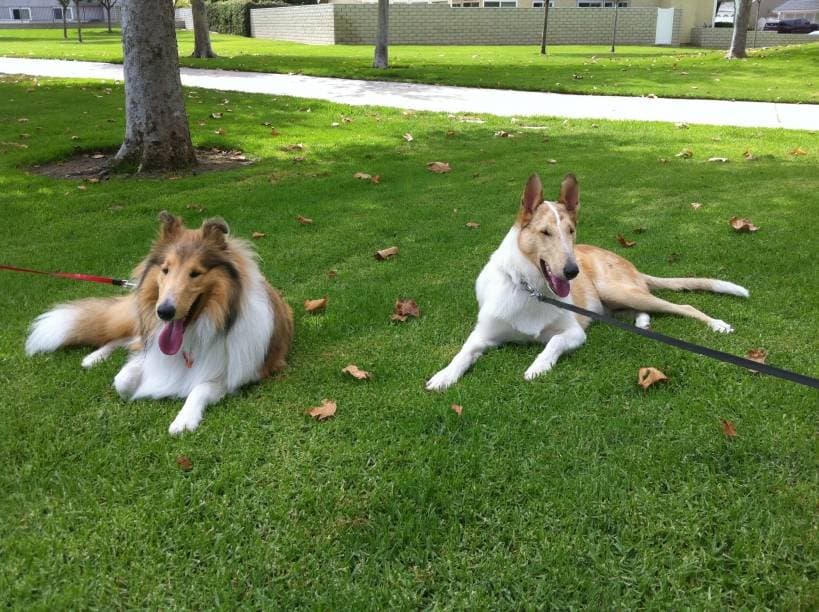
The Collie is a herding breed closely associated with Scotland. Rough and Smooth Collies share a recognizable outline, but their coats look very different. The Rough has a long outer coat and abundant furnishings; the Smooth has a shorter outer coat over an undercoat. Registry rules differ in how the varieties and accepted colors are described, so consult the relevant standard if showing or breeding.
A Shetland Sheepdog is a separate breed, despite its similar appearance. Neither a famous screen dog nor a breed nickname can tell you exactly how an individual Collie will behave. Stories such as Lassie helped make the breed familiar, but real dogs need teaching, supervision and care rather than expectations of instinctive heroism.
A workable daily routine
Plan walks, opportunities to investigate scents and activities that use the dog's attention. Brief lessons, searching for a toy and settling calmly while the household is busy can all be useful. A garden is convenient, but it does not replace time with people or outings beyond the fence. Increase exercise gradually and adjust it for puppies, older dogs and dogs recovering from illness.
Collies may notice movement and sounds quickly. Teach a reliable recall in safe settings and reward calm responses to passing people or traffic. If the dog starts chasing or barking, create distance and make the situation easier. Repeatedly putting it into an overwhelming environment is unlikely to teach the behavior you want.
Two coats, ongoing grooming
The AKC Collie profile outlines the breed's coat and care needs. Rough coats require careful work through the longer hair, especially behind the ears, around the hindquarters and where equipment rubs. Separate the hair gently so that hidden tangles are not missed. Ask a groomer for a practical demonstration if you are unsure how to reach the undercoat without scraping the skin.
Smooth Collies also shed and need brushing. Short hair does not mean no grooming, but it should not be described as automatically requiring more care than a long coat. Frequency depends on the individual coat, season and lifestyle. Add nail checks, tooth care and comfortable handling practice to the routine, rather than concentrating only on appearance.
Home and family
Give the dog a quiet resting place and teach children to leave it alone when eating or sleeping. Supervise interactions and provide barriers when a busy household needs separation. A doghouse in the garden is not a substitute for social contact, appropriate shelter and attention to changing weather. Consider where the dog will spend ordinary days, not just where it will sleep.
Health questions to ask
Discuss eye assessments, orthopedic screening and family health history with a responsible breeder or rescue. Ask to see records rather than relying on the phrase vet checked. These records inform a decision but cannot promise that every future health problem has been excluded.
Collies are among the breeds affected by MDR1 drug sensitivity. Share any genetic test result with the veterinarian who prescribes treatment. Do not infer that every Collie reacts to every medicine, and do not select doses yourself. Keeping health records accessible, arranging routine care and noticing changes early are more useful than relying on the breed's reputation for hardiness.