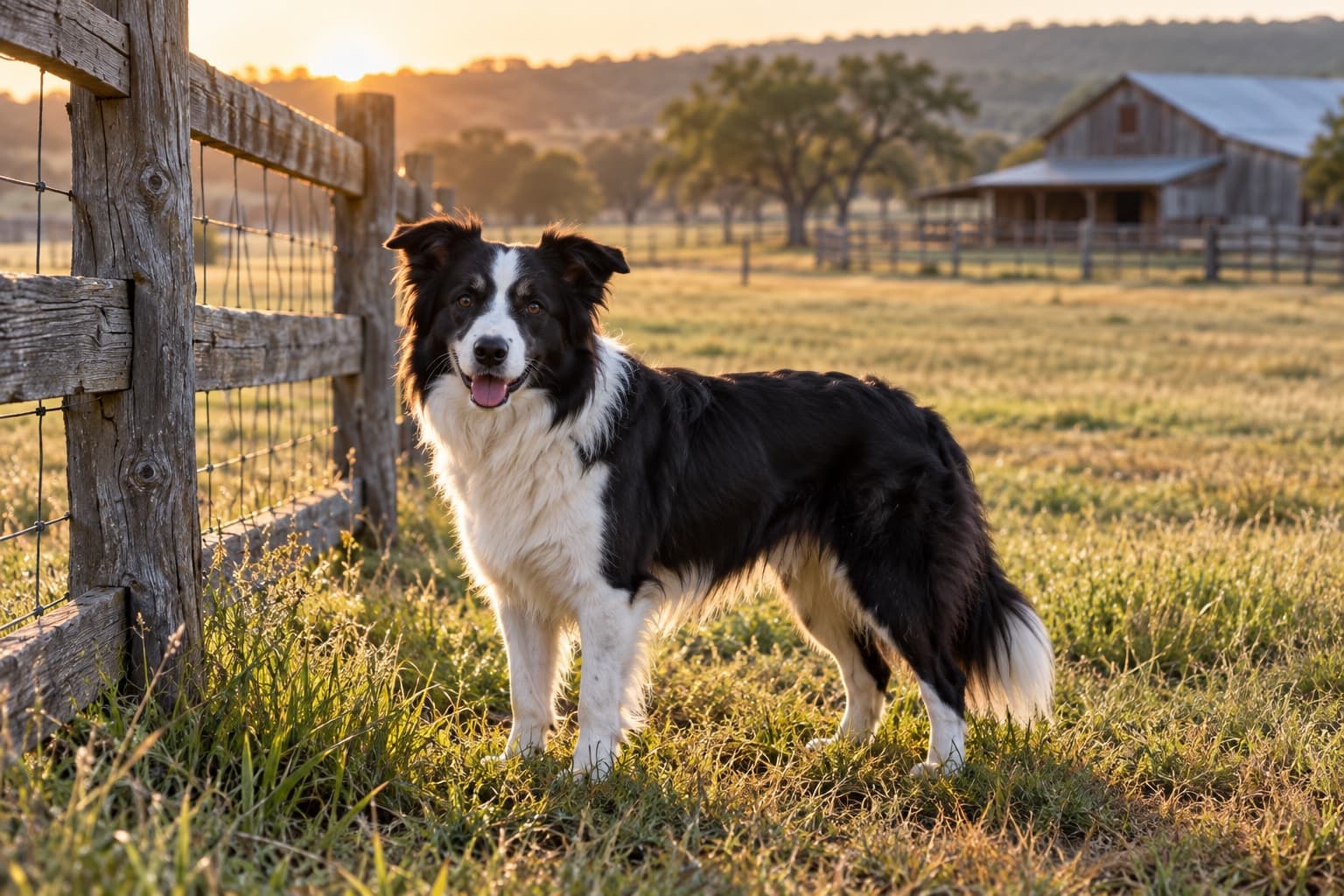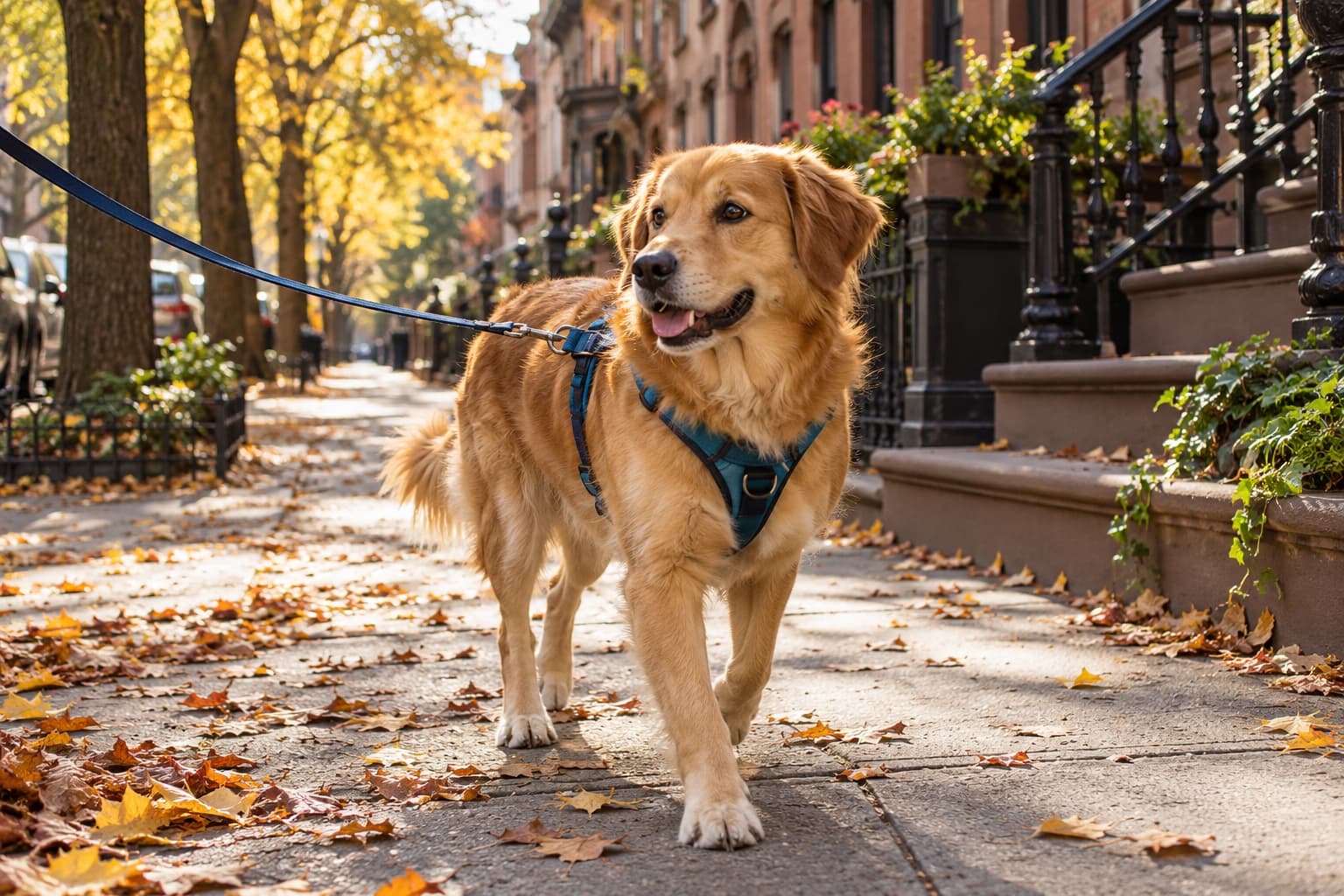
The Basset Hound is a substantial scent hound with short legs, long ears and a keen interest in its surroundings. A relaxed expression should not be mistaken for laziness or a lack of intelligence. These dogs need activity, company and patient teaching, even when their preferred pace differs from their owner's.
A Basset Hound is not a Dachshund, and advice about one breed should not be copied into an article about the other. Understanding the individual dog's build, health and behavior is more useful than treating all short-legged dogs as interchangeable.
Temperament and learning
Many Bassets enjoy contact with people and other dogs, but sociability is not guaranteed. Give a puppy gentle, positive experiences with everyday sounds, surfaces and people. Introductions should allow room to retreat rather than requiring every interaction to continue.
The American Kennel Club's Basset Hound profile highlights the breed's history as a scent hound. An interesting trail can compete strongly with a recall cue. Use a leash or a secure enclosure where wandering would be unsafe, and practice returning to you with worthwhile rewards.
Keep lessons short and varied. Teach responding to a name, walking without pulling, settling on a mat and accepting routine care. If a dog does not respond, make the task easier and consider distraction or discomfort before deciding it is deliberately refusing to work.
Exercise without overloading the dog
Regular walks and sniffing opportunities help meet physical and behavioral needs. Choose distance and pace for age, weather and fitness. A puppy should not be forced through long, strenuous exercise in an attempt to prevent future laziness.
Watch for limping, slowing down, difficulty rising or reluctance to use steps. These changes deserve a veterinary assessment rather than simply more exercise. Non-slip surfaces, sensible access to furniture and a comfortable bed can make everyday movement easier.
Do not assume an outdoor area provides enough activity on its own. Shared walks, food searches and brief training sessions offer different forms of engagement. Balance them with undisturbed rest, especially for growing puppies and older dogs.
Ears, skin and coat
The short coat sheds and benefits from regular brushing. Check ears, skin folds and the area around the mouth for moisture, redness or odor. Dry wet areas gently and ask your veterinary team which products, if any, are appropriate for that individual.
Long ears do not justify an automatic schedule of vigorous cleaning. Inspect them regularly, and use a recommended ear cleaner only as instructed. Avoid pushing cotton swabs into the canal. Head shaking, painful ears or discharge requires an examination.
Bathe when needed with a suitable dog shampoo, rinse well and dry carefully. Do not apply random creams to irritated folds or assume that every skin problem comes from dirt. Allergies, infection and other causes may need treatment.
Nails, teeth and handling
Introduce touching paws, looking in the mouth and brief brushing while the puppy is comfortable. Reward cooperation and stop before it becomes a struggle. A dog that has learned to accept a few seconds of handling is easier to help later.
Keep nails at a comfortable length with professional help if necessary. Brush teeth with dog toothpaste and arrange oral examinations. Chewing bones is not a dependable dental-care plan and can cause injury, including fractured teeth.
Feeding a puppy or adult
Use a complete food appropriate for growth while the dog is a puppy, then review the transition to adult food with a veterinarian. Continue the breeder's or rescue's familiar diet initially unless there is a medical reason to change it. Make planned transitions gradually.
Measured meals help you track intake. Several meals usually suit young puppies, with the schedule adjusted as they mature. Treats used in training count toward the daily allowance. Monitor body condition rather than accepting extra weight as part of a Basset's appearance.
Sausage, soups, bones and porridge do not form a complete diet simply because they provide variety. A home-prepared diet requires a properly formulated recipe. Extra vitamins are not automatically necessary when a complete food is fed correctly.
Fresh water should always be available. Seek advice about persistent vomiting, diarrhea, poor growth or a sudden appetite change. If several dogs share a home, separate feeding can prevent competition and help you see what each animal actually eats.
Choosing a healthy companion
Before purchase, ask for documented health screening recommended for the breed and discuss the results with your veterinarian. The Basset Hound Club of America's health statement is a useful starting point for that conversation. A pedigree alone is not a guarantee of health.
Ask about the parents' temperament, mobility and medical history, and the environment in which puppies are raised. Responsible breeders should discuss limitations and risks openly, provide records and remain interested in the dog's future welfare.
Breeding requires preparation
Breeding is not a routine part of owning a female dog. It requires veterinary planning, appropriate health and temperament assessment, suitable facilities, emergency funds and a commitment to every puppy. Finding a mate because puppies appear easy to sell is not adequate preparation.
Do not use the first heat, a fixed day after bleeding begins or a single observed mating as a complete breeding plan. Fertility timing varies. A veterinarian with reproductive experience can advise whether breeding is appropriate and what assessment is needed.
A mating does not guarantee pregnancy, and a rounded abdomen is not a substitute for veterinary confirmation. If an unintended mating occurs, contact your veterinarian promptly to discuss options. Do not give home remedies or medications without guidance.
Pregnancy and birth
Pregnancy and nursing change nutritional needs. Your veterinarian should advise on a suitable complete diet, portions and monitoring. Extra calcium or vitamins should not be added automatically, and exercise should remain comfortable rather than forced.
Prepare a quiet, clean whelping area before delivery and arrange emergency access to a clinic. VCA's guide to whelping in dogs explains that complications can occur even after a previous uncomplicated litter. Observe the mother calmly without physically preventing her from moving or resting comfortably.
Call urgently for collapse, severe pain, heavy bleeding, a puppy that appears stuck or strong contractions without progress. Do not pull forcefully or give drugs to stimulate labor yourself. Follow the veterinary team's instructions about timing and transport.
Care for the mother and every puppy
After birth, monitor the mother's appetite, comfort and discharge, and ensure that puppies stay warm, nurse and gain weight. A weak puppy or one repeatedly pushed away from feeding needs prompt attention. The mother may also require assessment if she seems unwell or is not caring for the litter.
Every puppy deserves appropriate care. There is no welfare justification for discarding healthy puppies to leave an arbitrary number or to keep only those considered most attractive. A large litter may require extra support under veterinary guidance.
Do not rehome puppies at one month of age. They generally need to remain with their mother and litter until at least eight weeks, with local requirements and individual development also considered. Plan veterinary care, early social experiences and careful placement well in advance.
A sustainable household routine
Living successfully with a Basset involves more than coat care or a feeding schedule. Arrange companionship, safe time alone, exercise and practical help for absences. Listen to changes in behavior and seek support early when the routine is not working.
A dog that is comfortable, appropriately fed and understood as an individual is better placed to enjoy family life. Responsible care supports that outcome; no breed description can promise perfect health, effortless training or automatic compatibility with every household.