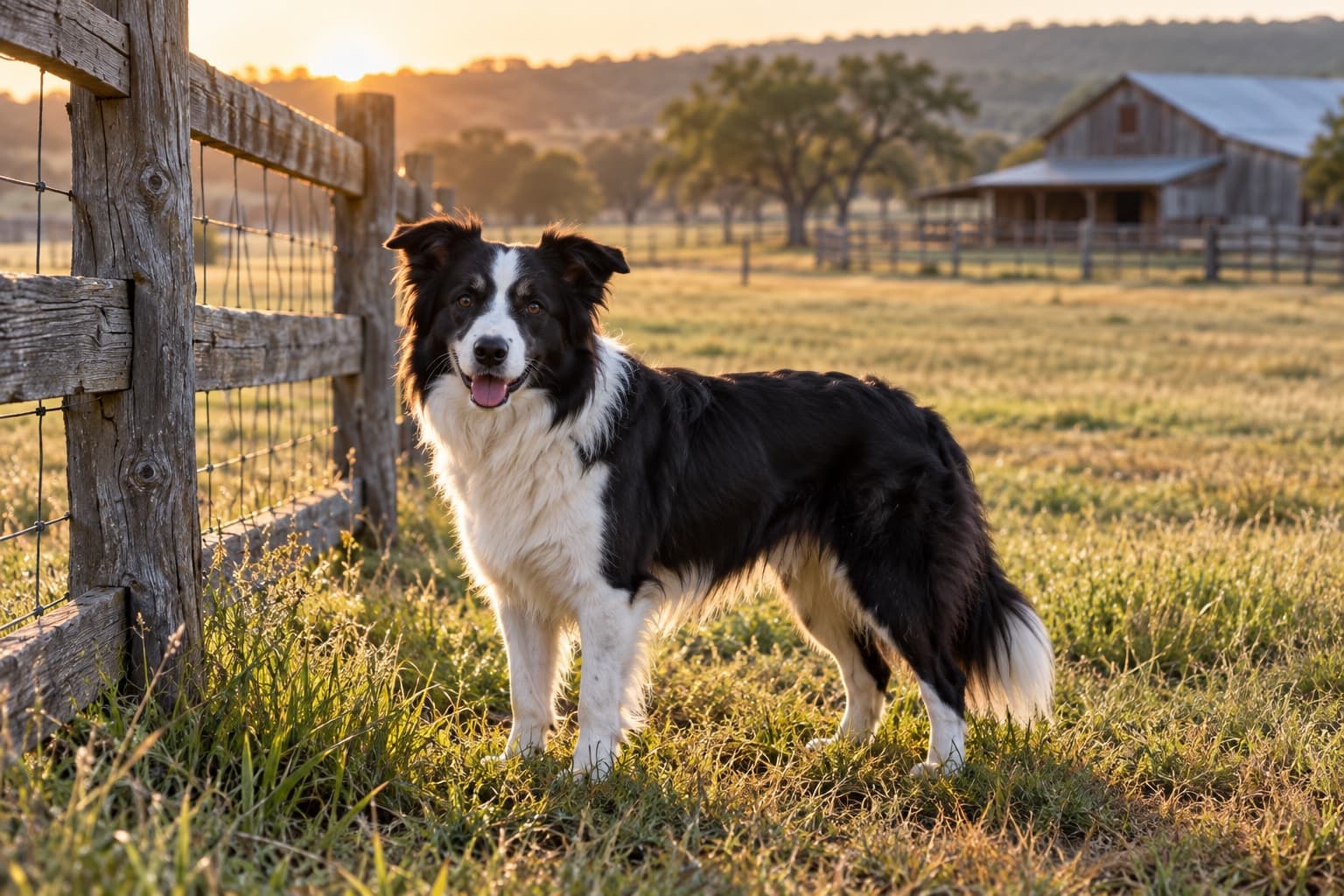
The Australian Terrier is a small, sturdy dog with an alert expression and a rough coat. The AKC breed profile describes a spirited, affectionate terrier and gives an adult height of about 10–11 inches and weight of 15–20 pounds. It should not be described as the smallest of all terriers or as a dog that needs little activity.
An active companion in a compact body
Daily walks, sniffing opportunities and interactive games help meet this dog's needs. A small home can work when the routine provides enough activity and rest. Being easy to carry does not mean a terrier will be content with occasional outings or no opportunity to explore.
Chasing and digging may be rewarding to a terrier. Use secure fencing and appropriate lead equipment, and practice recall in safe enclosed spaces. Do not assume that a dog which listens indoors will ignore a running animal outside. Protect small pets with reliable physical separation.
Train with rewards and clear routines
Teach useful alternatives to unwanted behavior: coming away from a distraction, resting on a mat and bringing attention back to you. Keep lessons short and reward progress. Harsh correction is not required for a confident dog and can make handling or unfamiliar situations more difficult.
Introduce people, animals and ordinary household sounds gradually. Socialization is not a requirement to greet every dog on a walk. Allow space and reward calm observation. Children should learn gentle interaction, with adults supervising and ensuring that the dog can rest undisturbed.
Maintain the coat comfortably
Brush and check the coat regularly, especially around the legs and areas where equipment rubs. Ask a groomer about suitable tools and how to maintain the breed's texture. Avoid cutting close to the eyes or inside the ears with household scissors.
Bathing frequency depends on dirt, skin condition and the products used; there is no rule that a dog must never be washed more than once a month. Use a dog-appropriate shampoo when needed, rinse thoroughly and dry comfortably. Persistent itching or odor needs veterinary assessment.
Plan for health and lifelong care
Measure meals, include treats in the daily allowance and monitor body condition. Small dogs still need dental care, nail checks and a preventive-health plan. Ask a breeder about relevant health screening and the puppy's early experiences, and arrange a veterinary examination after bringing it home.
Consider how you will manage barking, holiday care and time alone before committing. A lively terrier can be an enjoyable companion when its household values training and daily engagement as much as its convenient size.