Choosing a dog in Florida means thinking beyond a sunny backyard and weekend trips to the beach. A comfortable life in Miami, Tampa, Orlando, or Jacksonville includes long stretches indoors, walks planned around the weather, and an owner who notices when a dog needs a break. Climate matters, but the best match also depends on your schedule, housing, and willingness to train.
There is no breed that can safely ignore Florida heat. Instead of looking for a “heatproof” dog, look for a companion whose exercise needs you can meet without relying on strenuous midday activity. Consider the individual animal’s age, health, breathing, and body condition alongside its breed.
What makes a sensible Florida match?
The American Kennel Club identifies coat, build, and muzzle length among the factors that influence warm-weather suitability. It also stresses that even dogs considered tolerant of heat need water, cool resting areas, and reduced activity during hot conditions. A short coat can be useful, but it is not permission to leave a dog outside all day.
Begin with an honest picture of an ordinary weekday. Will your dog have an air-conditioned home? Can someone manage toilet breaks while you work? Is there a shaded walking route near your building? A breed recommendation becomes much more useful when it answers those questions.
Chihuahua: an option for smaller homes
A Chihuahua deserves consideration if you want a small companion and have limited indoor space. The AKC includes the breed among its warm-climate examples. However, choose the individual dog for its temperament and needs rather than assuming that a small pet will be effortless. Ask about confidence around visitors, handling, and previous experience with children.
For a Florida condo owner, practical details matter. Check building rules, plan for elevator trips, and identify a toilet area you can reach without a long walk across exposed pavement. Small dogs still need training, enrichment, and opportunities to explore safely.
Basenji: research the personality first
The Basenji also appears in the AKC’s warm-weather guidance. That makes it a breed worth researching, rather than an automatic recommendation for every Florida family. Meet adult Basenjis, talk with an experienced breeder or rescue, and ask what everyday training and exercise look like.
A useful question is, “How would I keep this dog occupied during a week when outdoor activity is limited?” If the answer depends entirely on hours of running outside, reconsider your plan. Scent games, food puzzles, and short training sessions should be part of the discussion before you commit.
Whippet: consider the whole daily routine
A Whippet may appeal to someone who wants a lean, short-coated dog that can also relax at home. The AKC describes Whippets as affectionate companions that enjoy resting between bursts of activity and can live in apartments when properly exercised. Their interest in chasing also makes secure exercise space an important consideration.
In Florida, plan that exercise for suitable weather and choose enclosed areas carefully. A dog’s enthusiasm for running does not tell you whether conditions are safe. Ask the breeder how the individual puppy behaves, how its parents live, and what kind of activity schedule would be realistic for your household.
An adult mixed-breed dog can be a strong choice
You do not need a pedigree to find a dog that suits Florida life. An adult dog in foster care may come with useful observations about its energy, house manners, and ability to settle indoors. Ask the foster caregiver to describe a normal day rather than relying on labels such as “easy” or “active.”
Meeting a dog more than once can help you compare its behavior in different situations. Discuss your home honestly, including other pets, stairs, work hours, and travel. A dog that fits your actual routine is a better choice than one selected only for its appearance or coat.
Build your routine around the weather
Plan walks for cooler parts of the day and adjust their length to conditions and your dog’s response. Provide drinking water, shade, and a cool place to recover. Never leave a dog in a parked car. The AKC’s summer guidance also recommends avoiding strenuous exercise during extreme heat and discussing parasite prevention with a veterinarian.
Create indoor options before you need them. Practice simple cues, rotate toys, and use supervised search games to make quieter days interesting. A short session in a comfortable room can be more appropriate than an ambitious outing chosen simply because the dog seems restless.
Think beyond the summer walk
Florida buyers should ask landlords or homeowners’ associations about pet restrictions before paying a deposit. Plan how your dog will travel during a household move or evacuation, and keep identification and veterinary records accessible. These preparations are useful whether you choose a Chihuahua, Whippet, Basenji, or mixed-breed companion.
If beach visits are part of your plans, check the rules for the specific destination. Do not assume every stretch of sand welcomes dogs or provides shade and drinking water. Decide where your dog will rest while people swim, eat, or spend time in the sun.
Choose the dog whose needs you can meet
Ask a breeder or rescue to explain both the appealing and demanding sides of the dog you are considering. Discuss grooming, behavior, veterinary history, and the amount of supervision it will need. Avoid choosing solely because an advertisement calls a breed ideal for tropical weather.
A good Florida match is a dog you can keep comfortable, engaged, and included throughout the year. Start with your home and daily habits, then use breed characteristics to narrow the search. The result should be a companion whose life works well on an ordinary humid Tuesday, as well as on a beautiful weekend morning.
Sources and further reading
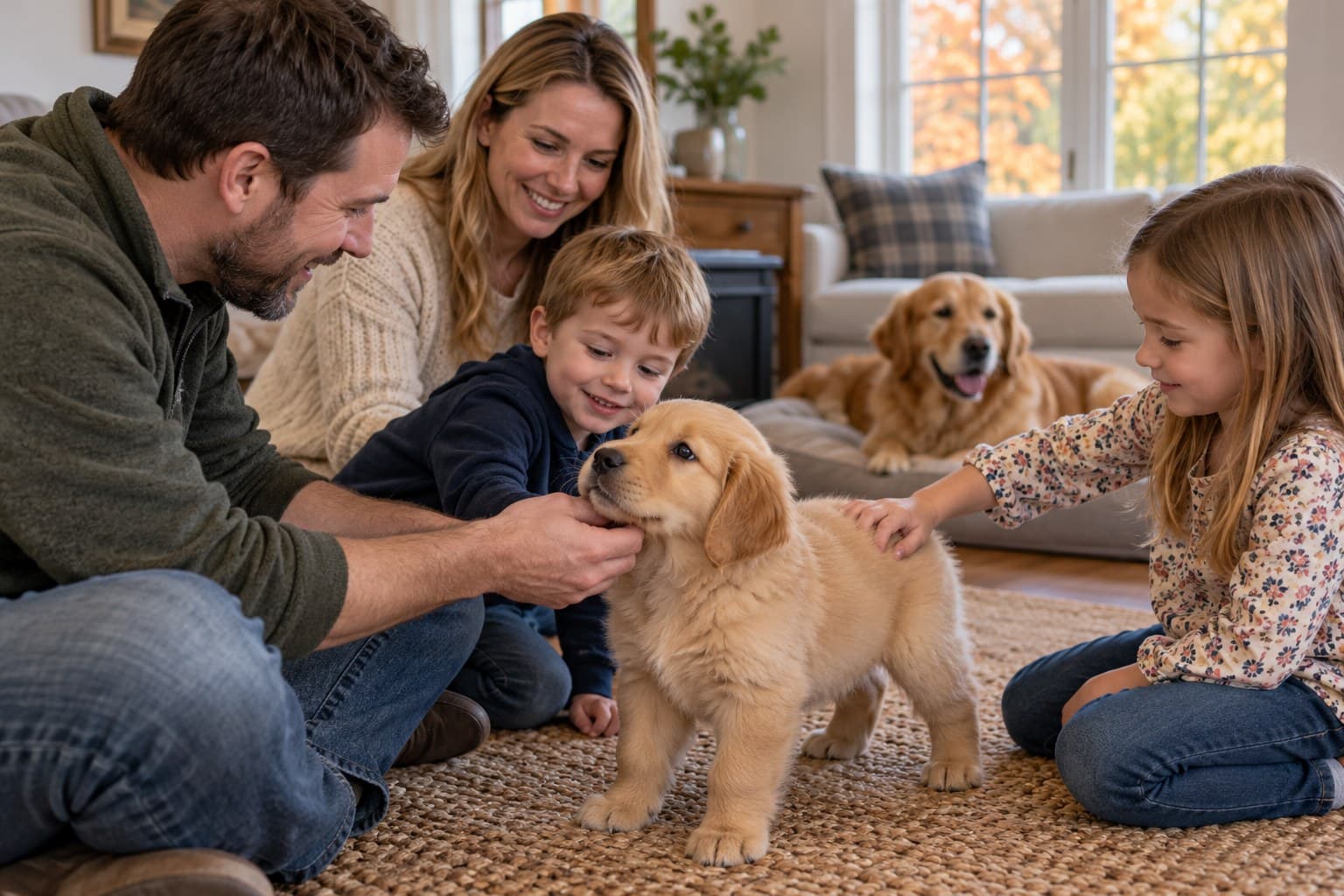
Image: AI-generated editorial illustration for AnimalsSale; not a photograph of an actual animal offered for sale.