A puppy listing can make a decision feel urgent. The photographs are appealing, the seller says other families are interested, and a deposit seems like a small step toward bringing a dog home. In Pennsylvania, that is the moment to slow down and ask for information you can verify.
A useful buying process covers the seller’s identity, the puppy’s upbringing, health documentation, and the agreement itself. Pennsylvania also provides specific dog-purchaser protections. Understanding how to find that official information before a sale is more useful than trying to reconstruct everything after a problem appears.
Who is actually selling the puppy?
Ask for the seller’s full name, address, and a reliable telephone number. Find out whether you are speaking to the breeder who raised the litter or someone selling dogs obtained elsewhere. Neither a rural address nor a professional website answers that question.
Compare those details with the contract and payment instructions. If the advertisement names one person but your deposit is requested by someone else, ask for an explanation before proceeding.
Can I understand where the puppy was raised?
Ask to see the puppy in its normal surroundings and, where possible, meet its mother. If a visit is not initially possible, request a live video conversation. Ask the seller to show the puppy moving, playing, and interacting with the person caring for it.
Pay attention to the explanation as well as the room. Who handles the litter each day? How are sleeping and toilet areas managed? What experiences have the puppies had? A single tidy photograph cannot show the full routine, so look for specific, consistent answers over time.
What does the seller know about this puppy?
Ask about the individual puppy rather than only its breed. Does it approach new objects quickly? How does it recover after being startled? What happens when it is separated briefly from its littermates? The answers should help you prepare, not promise a perfectly predictable adult dog.
Describe your household honestly. Explain your working hours, other animals, children, and experience. A seller who asks questions about the home is giving you an opportunity to discuss whether this puppy is a suitable match.
Which records will I receive?
Request dated veterinary information and a written account of vaccinations and parasite treatments already given. Ask which clinic examined the puppy and whether the records identify the animal clearly. Arrange for your own veterinarian to review anything you do not understand.
Separate a puppy examination from parental health screening. If the seller advertises tested parents, ask for the actual reports and how they relate to the breed. Registration paperwork, a pedigree, and a vaccination record serve different purposes; ask what each document establishes.
What does Pennsylvania’s purchaser protection cover?
The Pennsylvania Department of Agriculture directs buyers to the state’s Dog Purchaser Protection Act, commonly called the Puppy Lemon Law. Its guidance says sellers and breeders must display notice of purchasers’ rights and provide a written copy at sale.
The state’s prescribed disclosure says a buyer must have a newly purchased dog examined by a licensed veterinarian within 10 days of purchase to preserve rights under the law. Book an appointment in advance and read the complete official disclosure for coverage, notice requirements, and remedies.
How should I check licensing information?
Ask whether the operation holds a Pennsylvania kennel license and request its identifying details where applicable. The Department of Agriculture explains its role in kennel licensing and inspection. Contact its Bureau of Dog Law Enforcement if you need help checking an operation or understanding a licensing question.
Treat any license as one part of your review. You still need to assess the puppy, the available records, and the seller’s conduct. Likewise, an unclear search result is a reason to investigate the facts rather than make an immediate accusation.
What exactly does my deposit reserve?
Get the deposit terms in writing before paying. Does it reserve a particular puppy, a place in a future litter, or a selection position? What happens if the puppy becomes unavailable, your plans change, or the seller changes the collection date?
The agreement should make the total price and remaining balance clear. Confirm any transport costs and what documents accompany pickup. If the seller gives an important assurance by telephone, ask to have it added to the written agreement rather than relying on memory.
How will collection work?
Plan a collection that allows time to review records and ask final questions. Bring an appropriate carrier or secure travel arrangement, and avoid making the first journey an extended social outing. Ask for some of the puppy’s usual food and written feeding information.
What if something seems wrong after purchase?
Seek veterinary care promptly and retain the examination notes, invoices, agreement, and messages. Follow the notice instructions in the official purchaser-rights disclosure. Do not assume that a conversation with the seller replaces any written documentation the process requires.
For a dispute, use Pennsylvania’s official consumer-protection channels to establish what applies to your circumstances. For concerns about animal conditions or kennel compliance, consult the Department of Agriculture. Keeping clear records makes it easier to explain what happened.
When should I walk away?
Pause if the seller refuses basic identification, discourages an independent examination, changes terms after payment, or pressures you to decide before reviewing documents. You can appreciate a puppy without accepting an unclear transaction.
The best time to resolve uncertainty is while you still have a choice. Ask the questions, compare the answers, and make the deposit only when you understand the puppy, the seller, and your agreement.
Sources and further reading
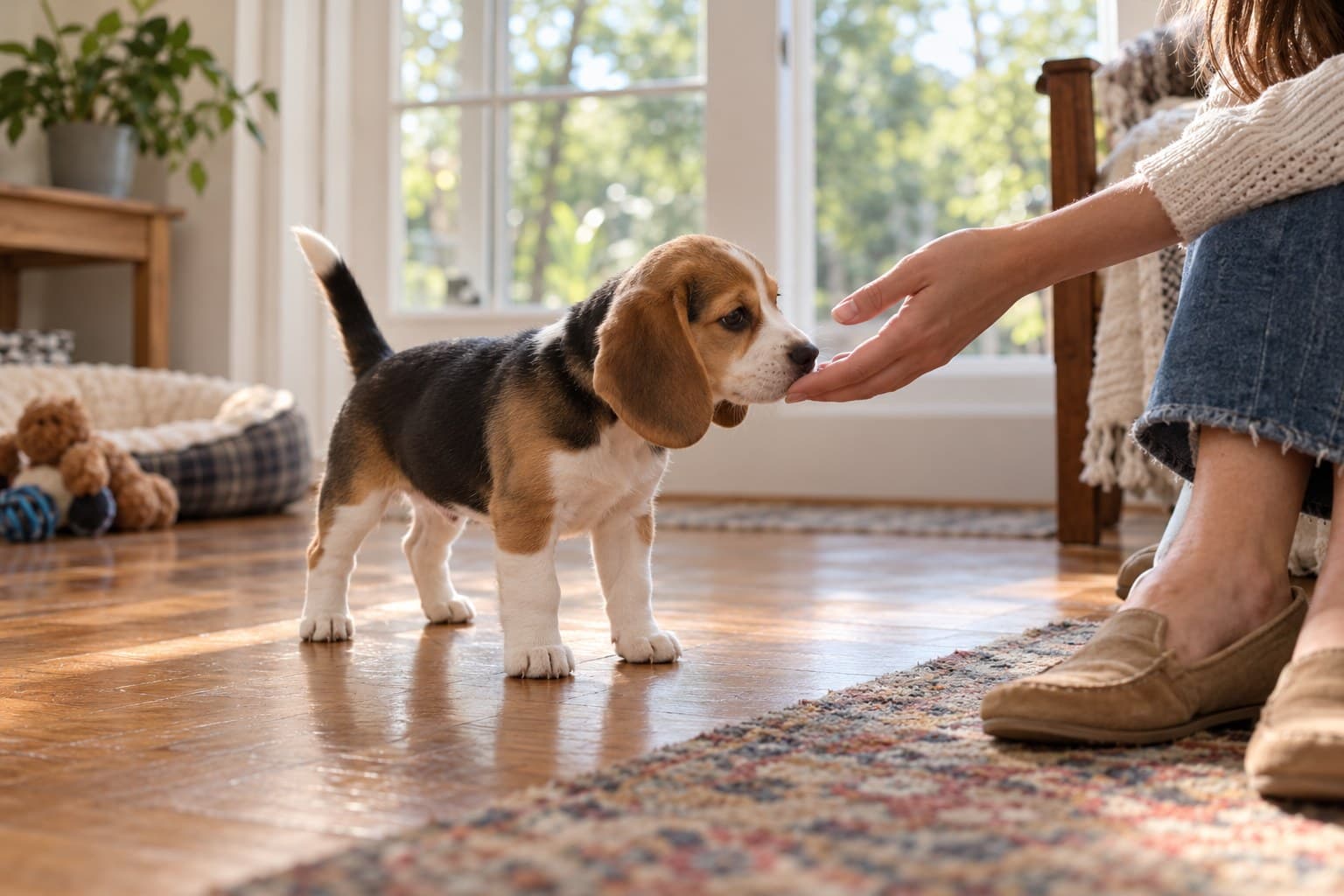
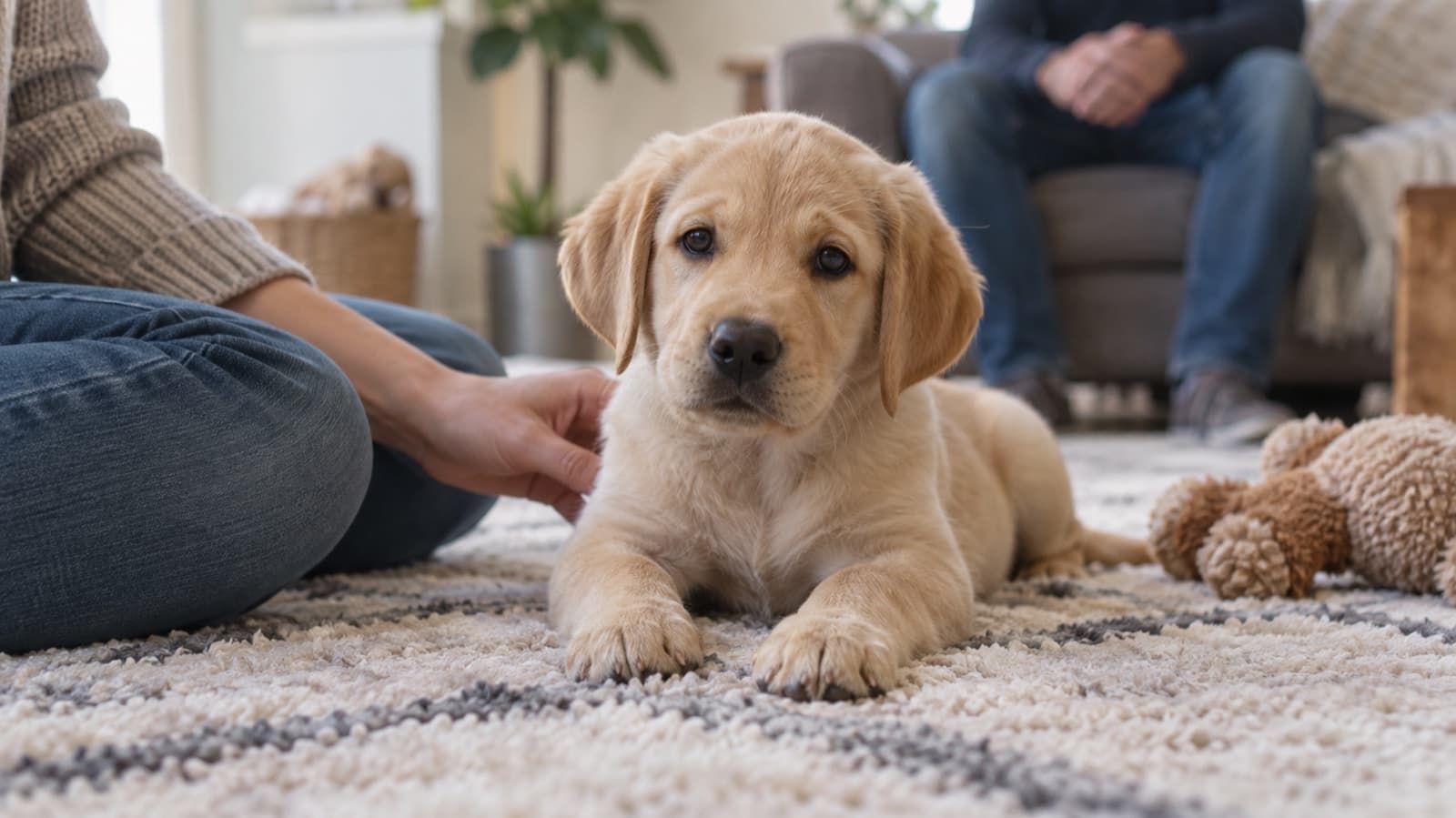
Image: AI-generated editorial illustration for AnimalsSale; not a photograph of an actual animal offered for sale.