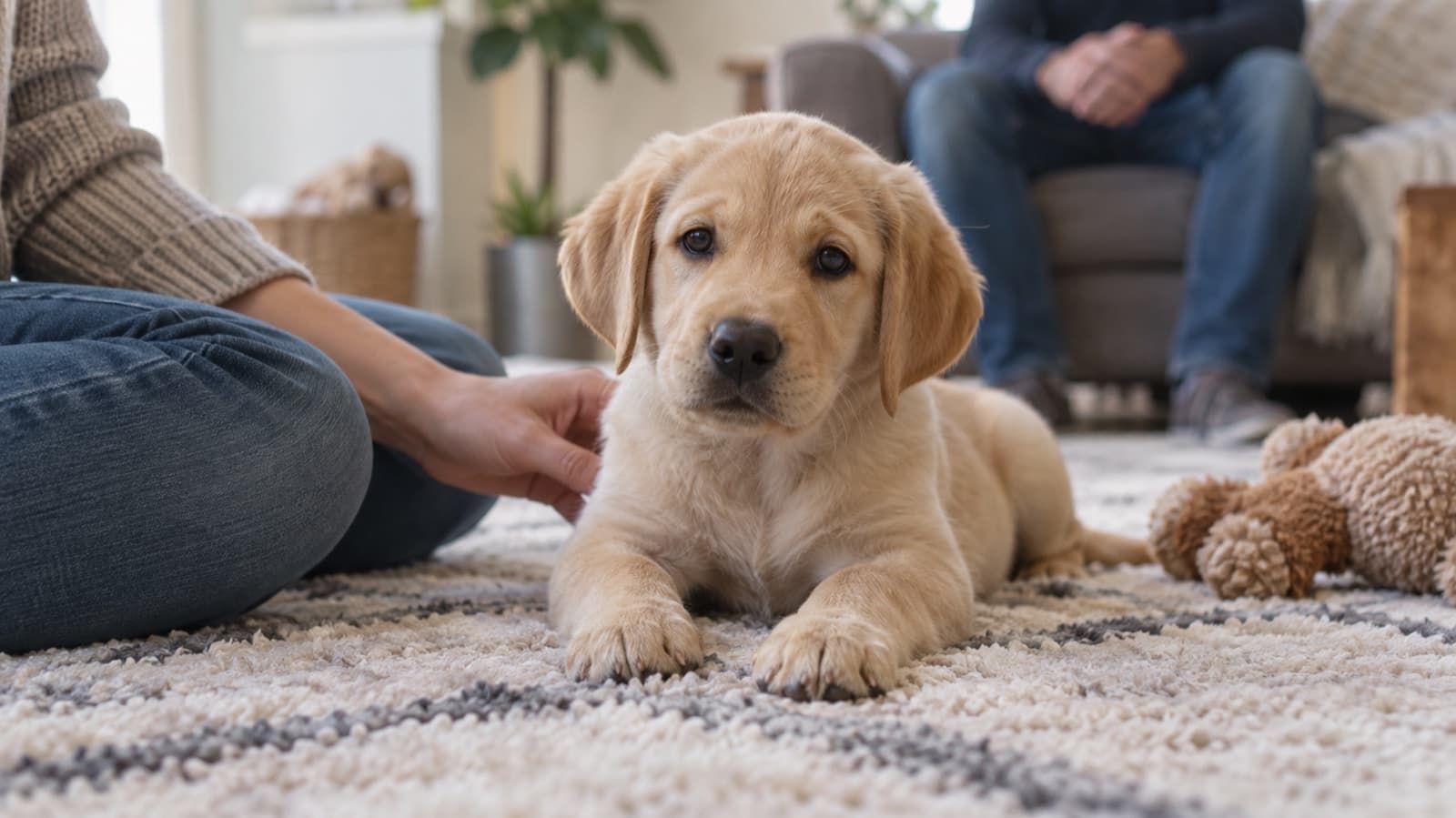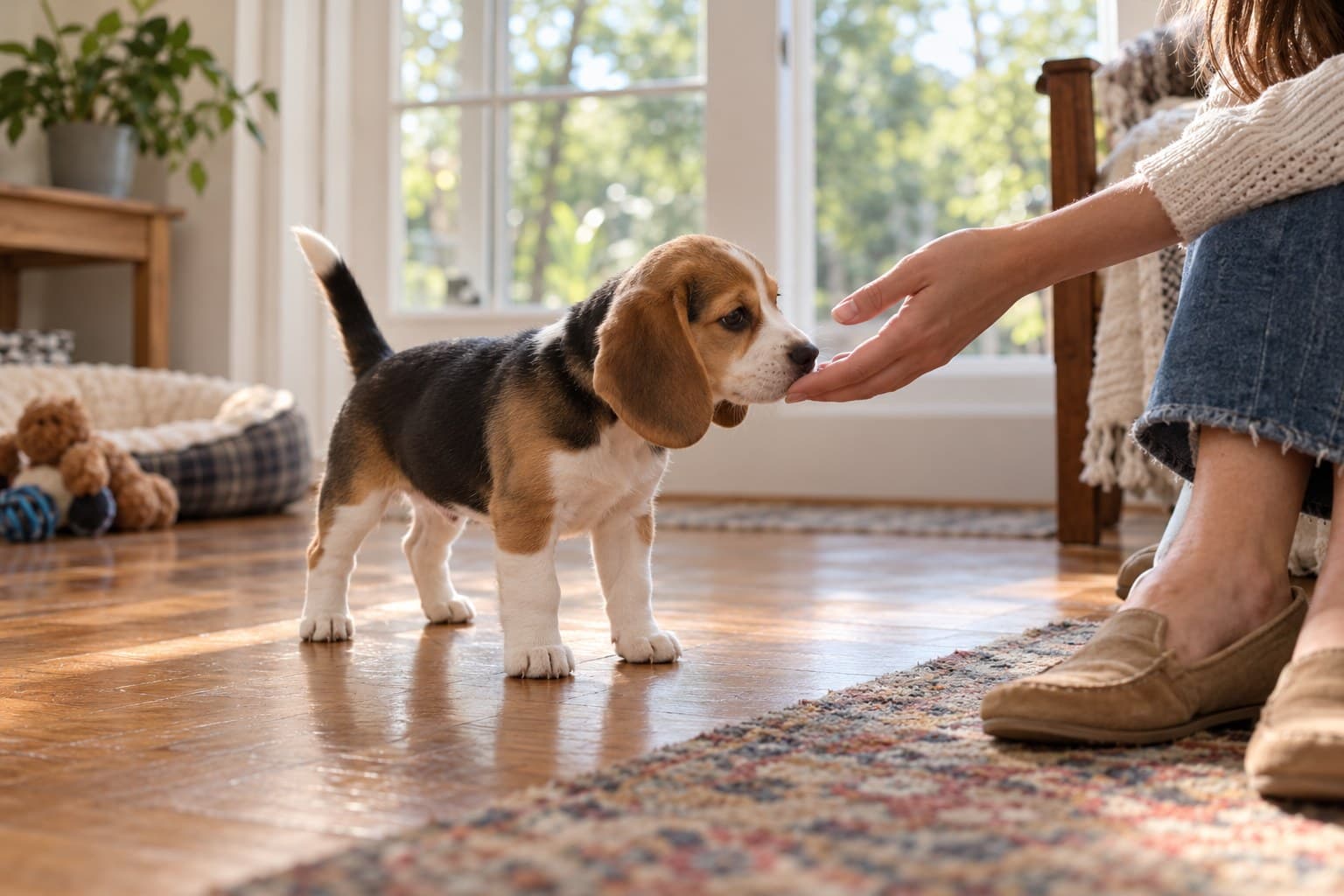
Finding a puppy in Georgia can begin with a local recommendation, a marketplace listing, or a breeder’s website. The important part comes next: deciding whether the person behind the advertisement can show you how the puppy was raised and support the claims being made.
Whether you are searching around Atlanta, Augusta, Savannah, Macon, or a rural county, use the same careful process. A convenient location and a friendly conversation are welcome, but your decision should rest on identifiable people, clear records, and a puppy that suits your home.
Verify the seller before discussing payment
Ask for the breeder’s full name, location, telephone number, and kennel name if one is used. Confirm who owns the litter and who will appear on the sales agreement. You should understand whether you are dealing directly with the breeder or with another seller.
Use Georgia’s official license search
The Georgia Department of Agriculture regulates pet dealers and other companion-animal establishments through its Companion Animal/Equine Program. Its website links to a search tool for establishments holding valid state licenses. Use it to investigate a seller’s licensing claim and compare the listed business details.
Ask the breeder whether a license is required for their operation and request the number if they claim to hold one. If you cannot resolve the licensing position, contact the department. Avoid assuming that a search result, by itself, answers every question about the puppy’s welfare or the seller’s legal obligations.
Learn what everyday care looks like
Ask who feeds, cleans, and handles the puppies. Request a description of their daily routine and the surroundings in which they spend most of their time. Discuss how they encounter ordinary household activity and what preparations are made before they leave for new homes.
Arrange a visit when possible. If distance makes an initial visit difficult, ask for a live video call showing the puppy and its environment. A reasonable verification process should allow questions and give you more than a set of carefully selected photographs.
Ask about the mother and the litter
Where possible, meet the puppy’s mother and ask how she is cared for. If she is unavailable, request a clear explanation. Find out whether the seller bred the litter and how long the puppy has been in their care.
Ask the breeder to compare the puppies’ behavior. Which one seeks attention first? Which takes longer to settle in a new space? These observations do not guarantee an adult temperament, but they help you understand whether the seller knows the litter as individuals.
Separate health claims from evidence
Request the puppy’s dated veterinary records, including the care already provided and the next recommended appointments. Ask which clinic examined it and whether the paperwork identifies the puppy clearly. Plan an independent veterinary visit soon after collection.
For claims about tested parents, request the reports rather than a summary such as “excellent bloodlines.” Ask your veterinarian which screening is relevant to the breed and how to interpret the results. A pedigree explains ancestry; it should not be treated as a complete medical assessment.
Explain the home you can offer
Tell the breeder about children, other animals, work hours, exercise plans, and previous experience. Be specific about the hours the puppy would spend alone and who would manage daytime care. This makes it easier to discuss whether the match is practical.
In a Georgia apartment, you may need a plan for stairs, elevators, shared lawns, and neighbors. On a rural property, discuss fencing and supervision rather than assuming open land is enough. The questions differ, but both homes need a routine that meets a puppy’s needs.
Read the contract before the deposit
Ask for a written agreement before transferring money. It should identify the seller and puppy, state the price, explain the deposit, and describe collection arrangements. Confirm whether registration documents are included and when they will be supplied.
Read any health guarantee closely. What conditions are covered? What evidence and notice are required? What happens if your veterinarian identifies a concern? Also ask about the breeder’s approach if you can no longer keep the dog. Resolve unclear language while you still have the option to choose another seller.
Take online delivery promises seriously
Georgia’s Department of Agriculture warns about pet scams in which a low initial price is followed by substantial shipping deposits or unexpected expenses. Verify the seller before paying and investigate any new charge independently.
If transport is necessary, ask who will carry the puppy, how the journey is arranged, and what documentation accompanies it. Contact the transport provider through independently verified details. Do not assume that an official-looking invoice proves a carrier or shipment exists.
Plan a careful pickup
Confirm the date, address, records, and remaining payment before traveling. Allow time to review the paperwork at handover and ask final questions. Request the puppy’s usual feeding information and bring a secure carrier or other appropriate travel setup.
Look for support after the sale
Ask how to contact the breeder during the first week and what information they want if a concern develops. Discuss food transitions, settling at night, and introductions to existing pets. Keep written care instructions with the veterinary records so everyone in the household follows the same plan.
Choose a breeder whose answers remain clear when the questions become detailed. Being willing to discuss limitations, explain records, and give you time to decide is more useful than a promise that every puppy is perfect. A thoughtful Georgia puppy purchase starts with verification and ends with a realistic plan for the dog’s life in your home.
Sources and further reading
Image: AI-generated editorial illustration for AnimalsSale; not a photograph of an actual animal offered for sale.