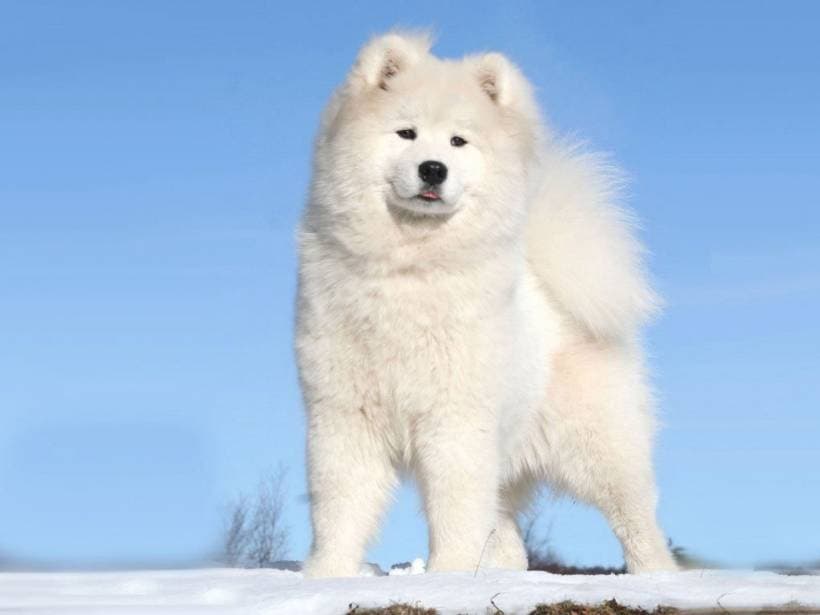
A Samoyed's fluffy appearance can make it look like a large toy, but this is a strong working dog with real exercise and care needs. Before choosing one, consider the ordinary daily routine rather than only the appeal of the coat and smiling expression.
Plan activity around the individual
The AKC Samoyed profile describes an active northern breed. Suitable walks, sniffing games and reward-based training can provide physical and mental activity. The right amount depends on age, health and fitness, so a universal requirement of exactly ninety minutes does not suit every dog.
Puppies need opportunities to explore without being pushed into strenuous adult exercise. Older dogs may require adjustments for pain or reduced stamina. Discuss a suitable plan with the veterinarian and include quiet rest instead of trying to keep the dog active all day.
Teach skills that help at home
Practice comfortable lead walking, recall, settling and gentle handling in short sessions. Reward small successes and increase distractions gradually. Independence is not a reason for harsh corrections, and no training method can promise absolute obedience in every situation.
Barking, chewing or digging may reflect unmet needs, but they can also involve anxiety, habit or other causes. Review the circumstances rather than assuming the dog simply needs more running. Persistent distress when alone deserves professional assessment.
Make social contact comfortable
Many Samoyeds enjoy people, but each dog has its own preferences. Introduce visitors and other animals carefully, supervise children and allow the dog to leave an interaction. Raising a puppy around a cat does not guarantee lifelong safety with all small animals.
Provide a comfortable resting place away from busy household traffic. Teach children not to disturb meals, sleep or chews. A sociable dog still needs boundaries that protect its rest and prevent rough handling.
Groom beyond the surface
The coat needs regular brushing and checks for mats, damp areas and skin irritation. Loose undercoat can build up even when the outer hair looks tidy. Seasonal shedding often increases the work.
Dirt may loosen as some mud dries, but the coat does not reliably clean itself within a fixed number of hours. Remove contamination appropriately and seek help with difficult mats. Avoid pulling or clipping close to hidden skin without suitable experience.
Consider weather and health
A dense coat does not make the dog immune to overheating. Adjust activity in warm conditions, provide water and shade, and never leave it in a parked vehicle. Ask a professional about coat care rather than automatically shaving it for summer.
Measure food, monitor body condition beneath the coat and maintain preventive care. Before adoption, budget for grooming and veterinary support and arrange holiday care. A successful match depends on meeting these needs consistently throughout the dog's life.