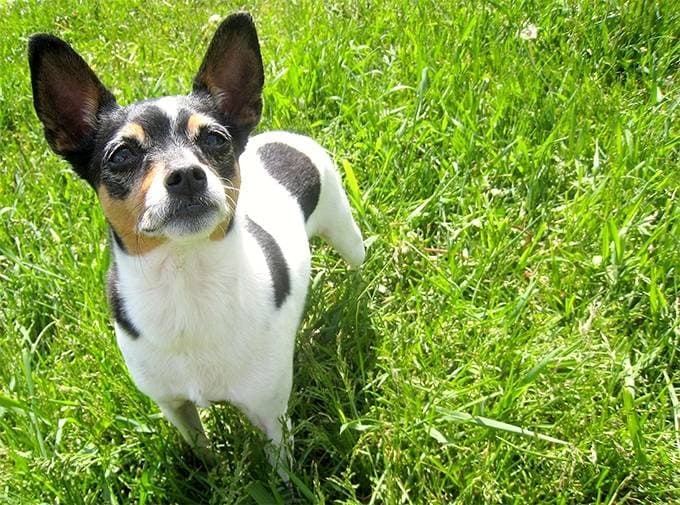
The Rat Terrier is a compact, energetic American dog developed for farm work and vermin control. Its alert expression and quick reactions reflect that background. Many enjoy close contact with their families, but a small body does not mean a quiet lifestyle or an automatic fit for every home.
Appearance and temperament
The AKC breed profile describes a smooth-coated, sturdy terrier. Individuals vary in size, markings and ear carriage. A natural tail is not a problem that needs cosmetic correction. Choose a dog for sound health and suitability rather than an unusual color or a promise of an exceptionally tiny adult.
Rat Terriers often notice movement immediately and may chase squirrels, birds or small pets. Sociability with people does not guarantee safety around rabbits or other animals. Use secure barriers and supervise introductions; some households will need permanent separation between pets.
Exercise with a purpose
Daily walks, sniffing opportunities and short games give these dogs useful outlets. A fenced garden helps only if the fencing is secure against digging and squeezing through gaps. Check gates before play and use a leash in open areas until reliable recall has been developed. Even a well-trained terrier can pursue an unexpected animal.
Balance activity with undisturbed rest. Puppies need age-appropriate play rather than forced running, while older dogs may prefer several gentle outings. Scatter a little of the daily food ration for a searching game or teach simple tricks indoors when the weather limits walks.
Training and household routines
Teach attention, coming when called and settling on a mat in brief, rewarding sessions. Practice around mild distractions before expecting the same response on a busy street. Shouting at barking rarely explains what the dog should do instead; identify the trigger, create distance and reward a calmer response.
Give children clear rules: leave a sleeping or eating dog alone, avoid grabbing and ask an adult before starting play. Provide a resting area the dog can enter without being followed. Introduce time alone gradually instead of assuming independence from the breed's working history.
Grooming and health checks
The short coat usually needs straightforward brushing and occasional bathing, but these dogs still shed. Check nails, ears, skin and teeth regularly. Feed measured portions of a complete diet and include training treats in the daily allowance.
Before choosing a puppy, ask for the parents' relevant health-screening results and the puppy's veterinary records. Registration alone is not a health assessment. Discuss the family's activity level, other animals and work schedule with the breeder or rescue so that the individual dog's needs guide the match.