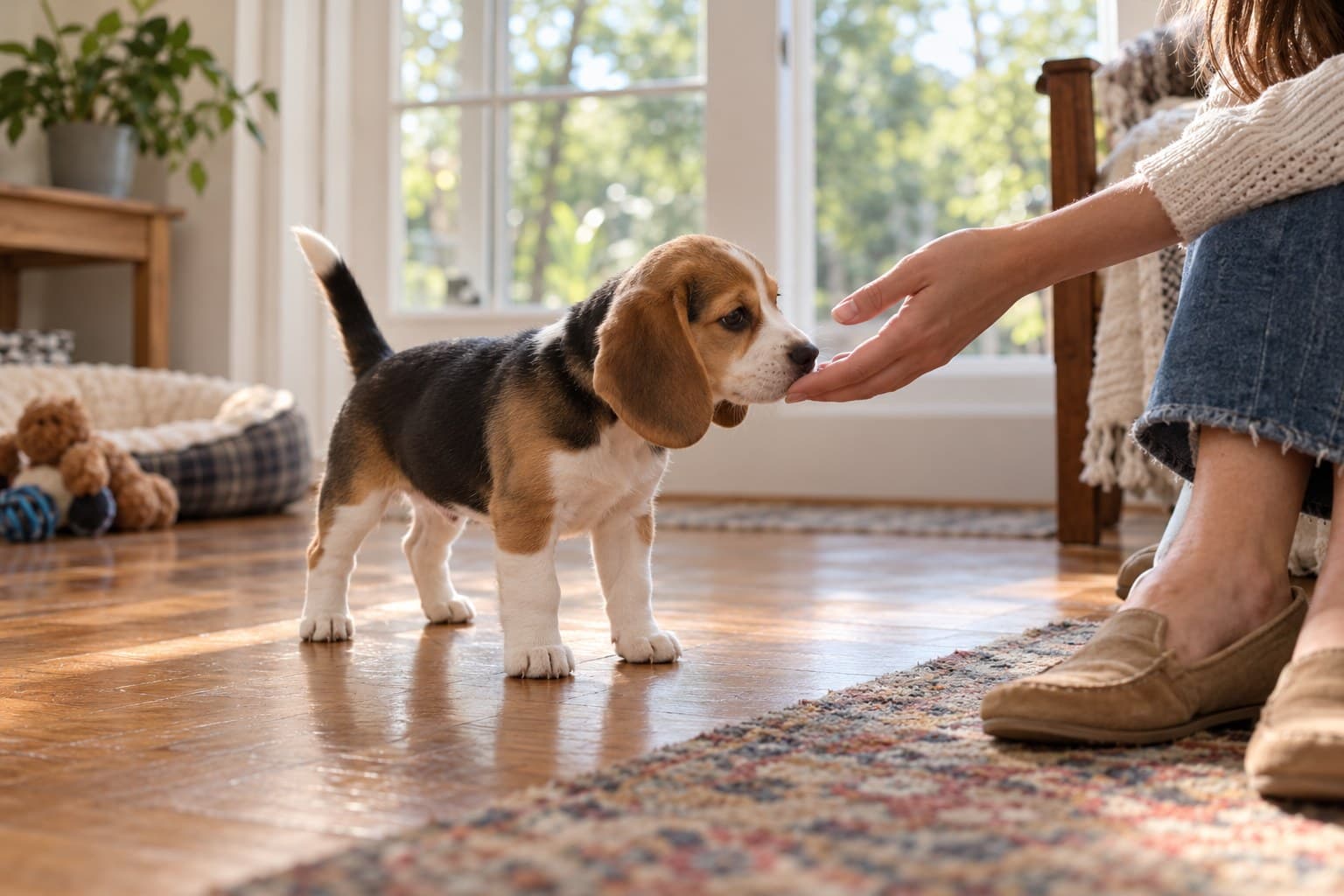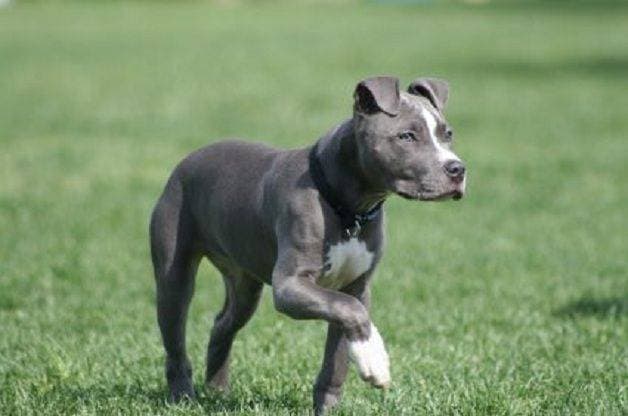
The American Pit Bull Terrier is a muscular, short-coated dog with an athletic build. The term pit bull is also used loosely for several breeds and mixes, so it does not always identify a dog's ancestry. Consider the individual's health and behavior.
Temperament requires individual assessment
Many American Pit Bull Terriers are affectionate with people and enthusiastic about activities. This does not mean every individual will be comfortable with unfamiliar dogs or small animals. Friendliness toward a person and compatibility with another dog are different qualities.
Avoid promises that a dog will automatically protect a home or be safe with every child. Adults should supervise children with any dog, teach respectful handling and provide an undisturbed resting area. Never ask a dog to tolerate grabbing, climbing or interference with food.
Train for a safe, ordinary life
Use rewards to teach loose-leash walking, recall, waiting at doors and settling on a mat. Start in calm surroundings and add distractions gradually. Consistent practice is more useful than confrontation or attempts to prove physical dominance.
Provide suitable walks, sniffing games and safe play, adapting effort to age and health. Inspect chew toys for damage and use equipment that fits securely. Introduce dogs carefully and do not assume that an off-leash group is the right exercise setting for every individual.
Dog fighting is abuse and has no place in training or competition. Never arrange fights, encourage attacks or expose a dog to injury to demonstrate courage. Structured activities such as scent work or suitable supervised dog sports can provide constructive outlets without harming animals.
Everyday care
A short coat still needs brushing, skin checks and appropriate bathing. Persistent redness, itching or recurrent ear problems should be assessed by a veterinarian. Do not choose medicines or injections from informal breed advice, and seek veterinary care promptly for wounds.
Feed a complete diet in portions that maintain a healthy body condition. Extra weight does not improve athletic ability. Keep up with dental care, parasite prevention and routine appointments, and ask breeders for relevant health-screening records rather than relying on muscular appearance as evidence of health.
Before bringing a dog home
Check the current requirements of your locality, housing provider and insurer for the particular dog. Rules can depend on location and identification criteria, so a general breed article cannot settle them. A responsible rescue or breeder should discuss known behavior honestly and provide records and support.
Budget for training, secure equipment and veterinary care. Purchase prices vary and say little about long-term suitability. If you cannot safely manage the dog's strength or behavior, seek professional help early and reconsider the match before committing.