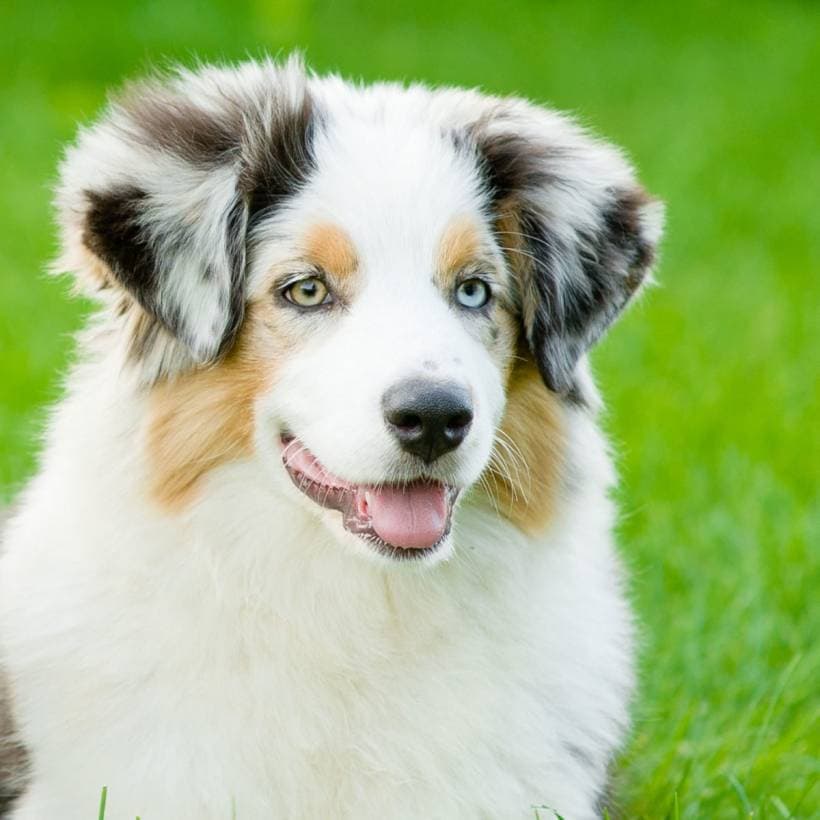
The Australian Shepherd is a medium-sized herding dog developed in the United States, despite its name. The American Kennel Club's breed profile explains its connection with ranch work and the western American lifestyle.
Work for the body and mind
Many Aussies enjoy walking, sniffing, learning and working closely with people. A garden alone rarely provides enough stimulation. Plan varied activities suited to your dog's age and health, with quieter days and opportunities to rest. Increasing exercise endlessly can create a fitter dog without teaching it how to relax.
Short training sessions, scent searches and simple food puzzles can fit into an ordinary day. Reward a puppy for resting on a mat while you work or prepare dinner. Introduce running, jumping and organized sports gradually with appropriate guidance, especially while a young dog is growing.
Understanding herding behavior
An Aussie may try to chase or control moving children, bicycles or other animals. This is a management and training issue, not proof that the dog is being a helpful babysitter. Use gates, a lead and enough distance to prevent rehearsing unwanted chasing, then reward calmer alternatives.
Supervise children and dogs together. Teach children to leave a dog alone when it eats, sleeps or retreats. A dog needs a quiet place where nobody follows it, and adults should manage play before excitement turns into nipping or collisions.
Training and social confidence
Use clear cues and reward behaviors you want repeated. Brief, successful practice is more useful than drilling until the dog becomes frustrated. Socialization means positive experiences at a comfortable distance, not compulsory greetings with everyone in a busy park.
Build time alone in small steps. Arrange care if your schedule regularly leaves the dog without a toilet break or companionship for too long. Destruction, barking or pacing can have several causes; assess the routine and seek qualified help rather than labeling the dog stubborn.
Coat care and choosing a dog
The double coat sheds and needs regular brushing, especially during heavier shedding periods. Check behind the ears, around the legs and under equipment for tangles. Keep nails comfortable and introduce gentle handling before grooming becomes an urgent necessity.
Ask a breeder for the parents' relevant health-screening results, including hip and eye assessments, and discuss any genetic test results with your veterinarian. A colorful coat or registration document is not a substitute for health information. Rescue organizations may be able to describe an adult dog's activity level and experience in a home.
Choose the individual whose needs you can meet consistently. An Australian Shepherd can be an engaging companion, but affection works best alongside a realistic plan for training, exercise, rest and lifelong veterinary care.