A giant dog can be an affectionate companion, but size alone says little about suitability for a particular home. These breeds developed for different jobs, from guarding livestock to working beside people. Some are sociable; others are naturally reserved. None is guaranteed to tolerate rough handling, protect a family safely, or get along with every animal.
Nine breeds with different backgrounds
The Mastiff, often called the English Mastiff, is a heavily built dog that needs thoughtful handling from puppyhood. A quiet adult may still knock someone over accidentally. Teach comfortable handling and polite greetings before the puppy becomes too strong to manage easily.
The Fila Brasileiro is a Brazilian guardian breed with a reputation for strong reserve toward strangers. Its needs should be discussed with experienced, responsible breeders. Check the rules that apply where you live and travel before considering ownership; breed restrictions differ between jurisdictions.
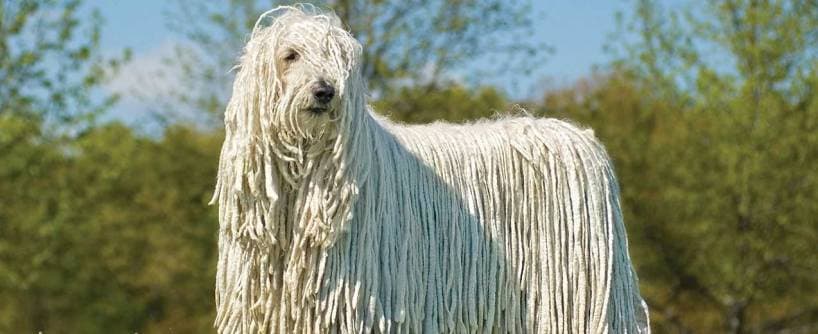
The Komondor is a Hungarian livestock guardian recognized by its corded coat. Those cords require informed maintenance and thorough drying. The breed's independent working background deserves as much attention as its unusual appearance when assessing a prospective home.
The Tibetan Mastiff is another guardian with an independent nature. Secure boundaries, calm introductions and a plan for visitors matter. A photograph of a spectacular coat does not reveal how a particular dog responds to busy streets, unfamiliar people or being left alone.
The Neapolitan Mastiff has substantial bone, loose skin and prominent folds. Owners should learn how to keep folds clean and dry and watch for irritation. Its distinctive appearance should never take priority over comfortable movement, breathing and overall health.
The Broholmer is a Danish breed with a mastiff-type build. The FCI Broholmer standard describes its revival beginning in 1975; it does not support the idea that these dogs can only be kept in Denmark. Availability and individual export arrangements should be checked with responsible breed organizations.
The Leonberger is a large, long-coated companion and working dog. Its coat, muddy paws and sheer presence create practical demands. Meet adults and discuss grooming, temperament and documented health screening before deciding that its appealing appearance fits your household.
The Tosa developed in Japan and is a powerful dog requiring knowledgeable management. Do not interpret quiet behavior as automatic safety around other dogs. Research applicable ownership restrictions and seek realistic advice about social behavior, handling and secure accommodation.
The Anatolian Shepherd Dog comes from a livestock-guarding tradition. Independence and watchfulness are useful working traits but can be challenging in a busy suburban setting. A garden alone does not provide suitable enrichment, social experience or an appropriate job.
Plan for the adult dog
Before choosing any of these breeds, consider doorways, vehicles, stairs and veterinary transport. Could you help an injured adult into a car? Can someone reliable care for the dog if you are away? Budget for food, grooming, equipment and veterinary bills, and make sure household members can use gates and doors consistently.
Arrange calm, reward-based training and teach settling, recall and loose-leash walking. Supervise all interactions with children. Give the dog a resting place where nobody climbs on it, pulls its tail or disturbs food and sleep. Separate dogs and children when an adult cannot actively supervise.
Growth and lifelong care
Ask your veterinarian about a complete diet suitable for large-breed growth, body condition and exercise. Extra calcium or overfeeding will not produce a healthier giant. Avoid making maximum weight a goal. Comfortable movement and a lean body are more useful aims than an impressive number on a scale.
The AKC breed health testing requirements provide a starting point for checking which screening results to request. Ask to see the actual reports for the parents, and discuss their limitations with your veterinarian. A pedigree, large size or reassuring sales description cannot guarantee freedom from inherited disease.
Meet the dog as an individual. A well-supported adult rescue may offer clearer information about temperament and size than a young puppy. Choose a companion whose needs you can meet every day, including during adolescence, illness and old age.