A cat's diet should supply the nutrients it needs in suitable amounts for its life stage and health. Convenience, cost and preference matter, but labels such as natural, premium or organic do not establish nutritional balance. A varied-looking bowl can still be deficient, while a properly formulated commercial food can provide a complete diet.
Read the nutritional statement
The FDA's explanation of complete and balanced pet food describes how nutritional adequacy is identified on US labels. Check that the food is intended as a complete diet for the relevant life stage, rather than a treat or complementary product. Label systems differ between countries, so ask your veterinarian if wording is unclear.
Consider the manufacturer's nutritional expertise and quality-control information instead of choosing only by an ingredient photograph. A therapeutic diet should be used for the diagnosed condition and according to veterinary advice. It is not simply a more expensive food that every healthy cat needs.
Wet, dry or a combination
Cornell's guidance on feeding cats explains that suitable diets can take different forms. Wet food contributes more water, while dry food may be convenient for measured meals or compatible food puzzles. Some cats do well with a combination when the total intake is controlled and both foods fit their needs.
Provide fresh drinking water and observe the cat's preferences. Measure portions rather than continually topping up a bowl without knowing how much is eaten. Follow storage and serving directions, refrigerate opened wet food as advised and discard spoiled or contaminated food.
Several small meals may suit some cats, but the schedule should fit the individual and any medical plan. In a multi-cat home, separate feeding stations can help prevent one animal taking another's portion. Record changes in appetite or weight and seek advice rather than assuming the cat has become fussy.
Homemade food needs formulation
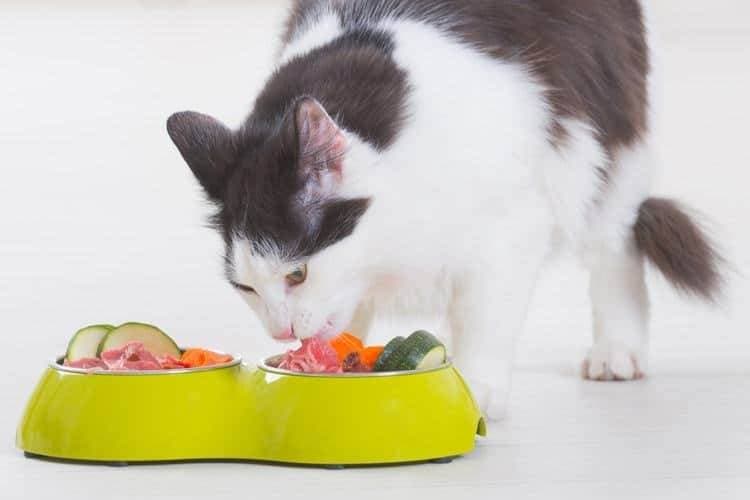
Cooking at home is not automatically the best option. Cats have specific requirements, including nutrients that cannot be supplied reliably by an improvised mixture of meat, fish, vegetables and grains. A veterinarian with appropriate nutrition expertise can formulate a recipe and explain the necessary ingredients and supplements.
Follow that recipe accurately, including specified amounts and preparation. Substituting ingredients or adding a general vitamin product can unbalance it. Routine supplements are usually unnecessary with a suitable complete food unless the veterinarian identifies a reason to use them.
Milk, yogurt and cottage cheese are not required components of a cat's diet. Some cats develop digestive upset after dairy products. Avoid using them as a nutritional foundation or assuming fermentation makes every dairy food appropriate.
Make changes thoughtfully
Introduce a new diet gradually when appropriate and monitor appetite, stool and tolerance. A medically prescribed change may need a different plan, so follow the veterinary instructions. Do not allow a cat to go without food in an attempt to force acceptance of a preferred product.
Mixing foods is not inherently harmful, but adding substantial unbalanced extras can dilute a complete diet. Keep treats modest and discuss any home-prepared additions. The useful question is whether the whole day's intake meets this cat's needs, not whether every ingredient sounds natural.