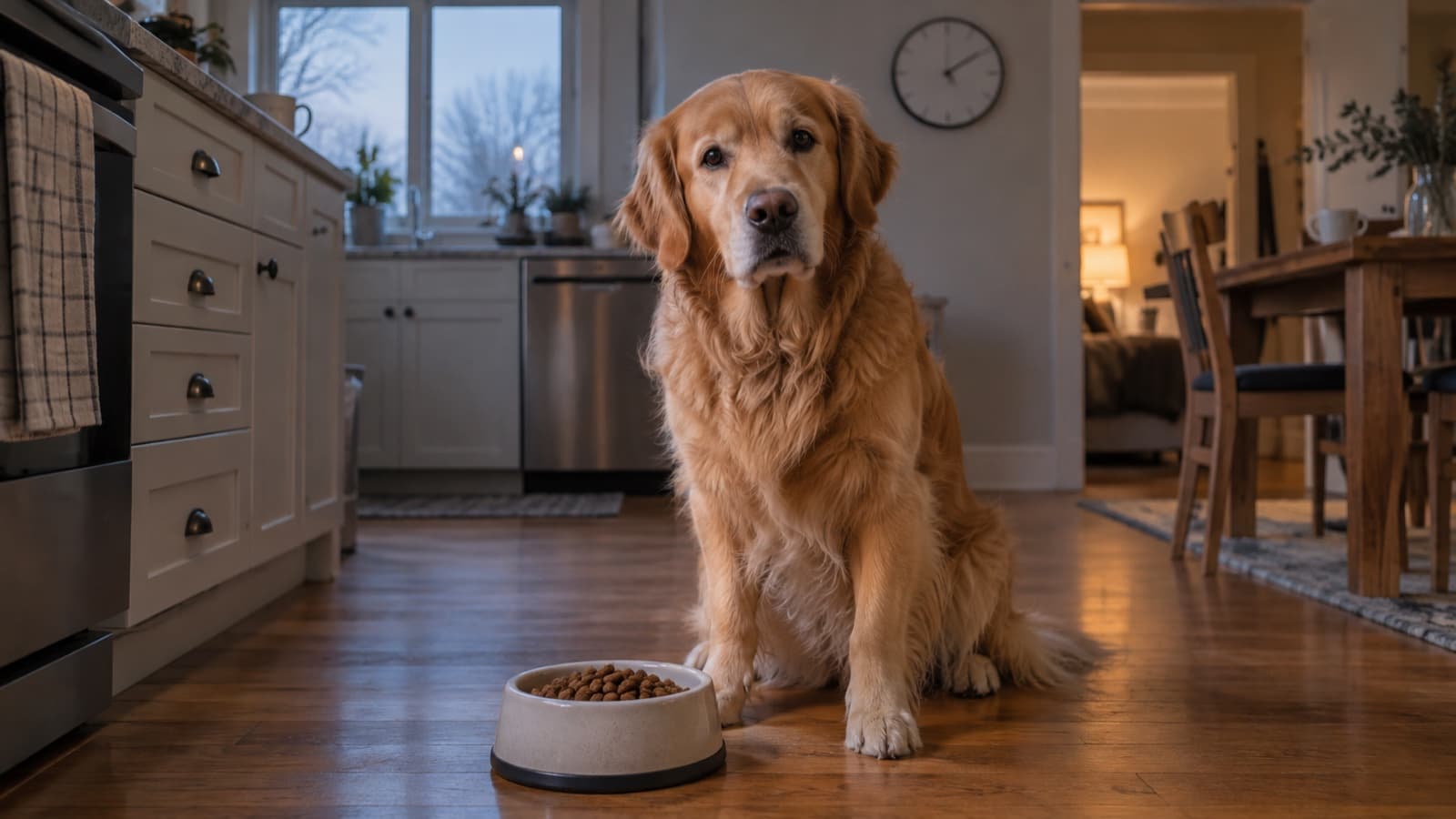
Your alarm says there is another hour to sleep. Your dog is standing beside the bed, certain that breakfast is overdue. When the clocks go back, the numbers change instantly; the familiar sequence of waking, eating and going outside does not necessarily change with them. A little preparation can make that first morning easier for everyone.
Put the right date on your calendar
In 2026, clocks go back on October 25 in the UK, according to GOV.UK. In U.S. locations that observe daylight saving time, the change is November 1, as listed by NIST. Rules differ by location, and some places do not change clocks at all. Check your own date before copying someone else's schedule.
A pet used to breakfast at 7 a.m. may start asking when the newly adjusted clock says 6 a.m. That is a predictable mismatch between your schedule and theirs, not a reason to assume they are being difficult.
Move ordinary routines in small steps
The American Kennel Club explains that dogs respond to daily rhythms and familiar routines. Rather than changing everything overnight, start easing toward the new schedule during the preceding week.
For a healthy adult pet with flexible mealtimes, Zoetis Petcare suggests adjustments of 10 to 15 minutes a day. For the autumn change, move ordinary meals and activities a little later. As an example, a 7 a.m. breakfast could become 7:15, then 7:30, then 7:45 and finally 8 a.m. on the old clock; after the clocks fall back, that last time becomes 7 a.m. again. This is a planning example, not a required timetable for every animal.
Keep the familiar order of events: wake up, toilet break, breakfast, then whatever usually follows. Write the temporary times where everyone who feeds or walks your pet can see them. Two people kindly offering breakfast is an easy household mistake.
Toilet needs come before sleeping in
PDSA advises allowing for your pet's usual toilet needs on the first morning, even if that means getting up earlier by the new clock, then gradually shifting the routine. Do not make a puppy, older dog or pet with a health problem wait simply because your alarm has moved. An indoor cat should retain access to its usual clean litter tray.
If you missed the preparation week, begin gently after the change. You do not need to force the whole adjustment into one day. Keep notes about waking and meals so you can tell whether the new routine is becoming easier.
Check the devices, and keep medicines separate
Check the time zone and next scheduled meal on any automatic feeder. Some devices update automatically and others need manual changes. Confirm the portion as well as the time, and avoid dispensing an extra meal while testing the controls.
If meals are linked to insulin or another medication, ask your veterinarian for a specific timing plan. Do not apply the breakfast example to medicines or change a dose yourself. Zoetis also recommends veterinary advice about medication schedules during the transition.
Make the darker evening easier
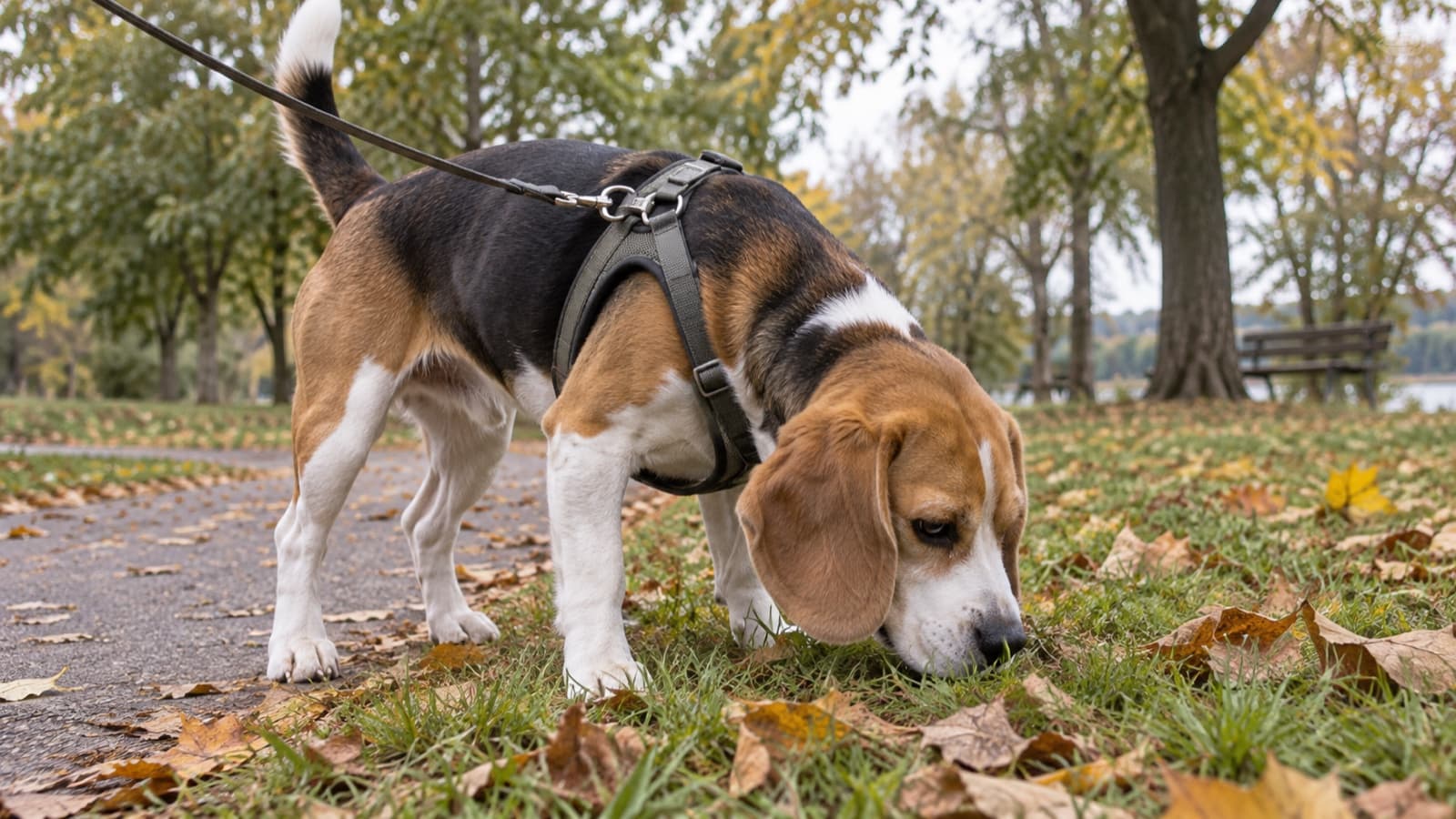
A walk that fitted comfortably after work may now happen after sunset. Choose a route you can see clearly, check your light and reflective equipment, and leave time for an unhurried outing. Your pet does not need a perfect clock-change weekend. A clear household plan, attention to their needs and a few gradual adjustments are a good place to start.
Image: AI-generated editorial illustration for AnimalsSale; not a photograph of an actual animal offered for sale.