The puppy looks perfect. The seller answers quickly. Then comes a message: someone else wants this puppy, so a deposit is needed today. That is the moment to slow down. Before holiday plans turn a hopeful search into a deadline, make room for checks that a photograph and a friendly conversation cannot replace.
1. Confirm who you are speaking to
Write down the seller's name, business name, phone number and location. Search independently for those details alongside words such as “complaint” or “scam,” as the U.S. Federal Trade Commission recommends. If someone claims to represent an established breeder, contact that breeder through details you find independently. A convincing account can be an impersonation.
Keep the listing address and screenshots of your conversation. Compare the name on the proposed agreement with the person receiving payment. An unexplained mismatch deserves an answer before money moves.
2. Treat the photo as a starting point
Run a reverse image search and check whether the same puppy appears under unrelated names or locations. The AKC also recommends searching copied wording from a listing. A photo that produces no matches is not proof of authenticity; it may simply be new or unindexed. Good photography, registration language and an attractive website cannot establish that the seller has the animal.
3. Arrange a real meeting
The FTC recommends an in-person or video visit. Ask to see the particular puppy you are discussing during a live conversation rather than accepting only recorded clips. Where practical, arrange an appropriate visit before committing. If the seller repeatedly blocks any meaningful meeting, pause the purchase.
A video call is useful evidence, but it does not replace checking the person, records and living conditions. Keep a simple list of unanswered questions rather than letting an adorable moment decide the purchase for you.
4. Ask about the puppy's upbringing and health
The AKC's responsible-breeder guidance describes a breeder who explains health testing, asks about your household and provides a contract. Ask about the puppy's age, veterinary care, social experiences and the parents' relevant health screening. For a breeder-raised litter, ask to see the mother and understand where the puppies have been raised; rescue circumstances can be different.
Request copies of the records and enough identifying information to check claimed test results with the issuing organization where available. A routine puppy examination and a parent's inherited-disease screening answer different questions. Neither a certificate nor a pedigree guarantees lifelong health.
5. Read the terms before paying
Ask for the total price, deposit amount, refund conditions, collection arrangements and any transport charges in writing. Read what happens if the seller cannot supply the agreed puppy. A deposit can be part of a legitimate agreement; the important questions are who receives it, what it reserves and what terms apply.
The FTC warns against sellers insisting on gift cards, cryptocurrency or wire-transfer services. Check the protections and exclusions of your payment method. Do not assume a payment app offers buyer protection simply because you have used it safely with friends.
6. Stop when unexpected transport fees appear
BBB's puppy-scam research describes invented shipping problems and requests for additional money, including special crates or insurance. If an urgent new charge appears, contact the named carrier through its independently located official contact details. Do not rely on the phone number in the payment demand.
If you suspect fraud, stop sending money, preserve the messages and contact your payment provider promptly. Report the listing to the platform; U.S. consumers can also report to the FTC. Recovery is not guaranteed, so acting quickly matters.
Before a deposit, be able to explain three things: who the seller is, how you have checked the puppy exists, and exactly what your payment covers. If one answer is still missing, the next step is another question, not another transfer.
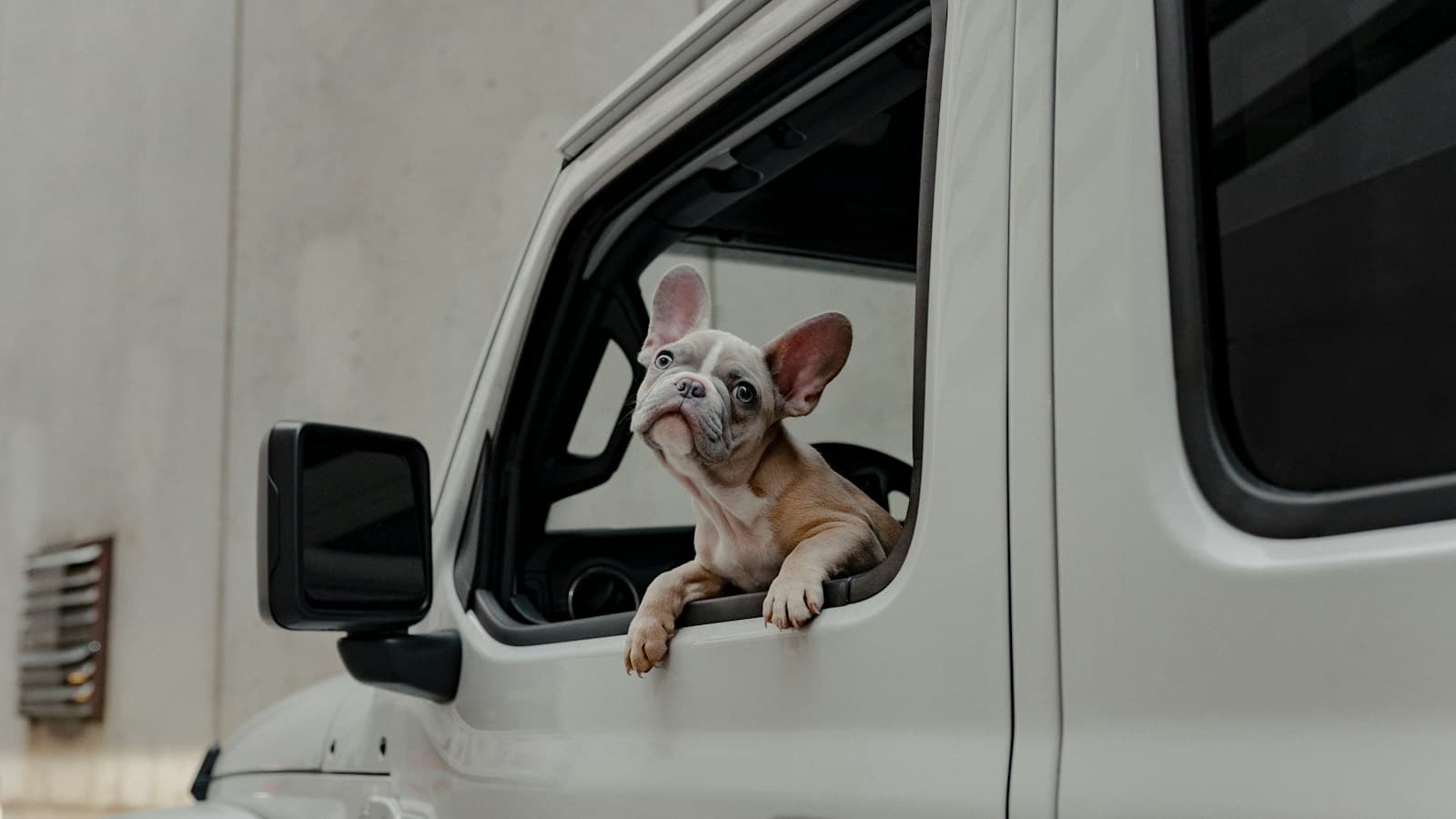
Image: AI-generated editorial illustration for AnimalsSale; not a photograph of an actual animal offered for sale.