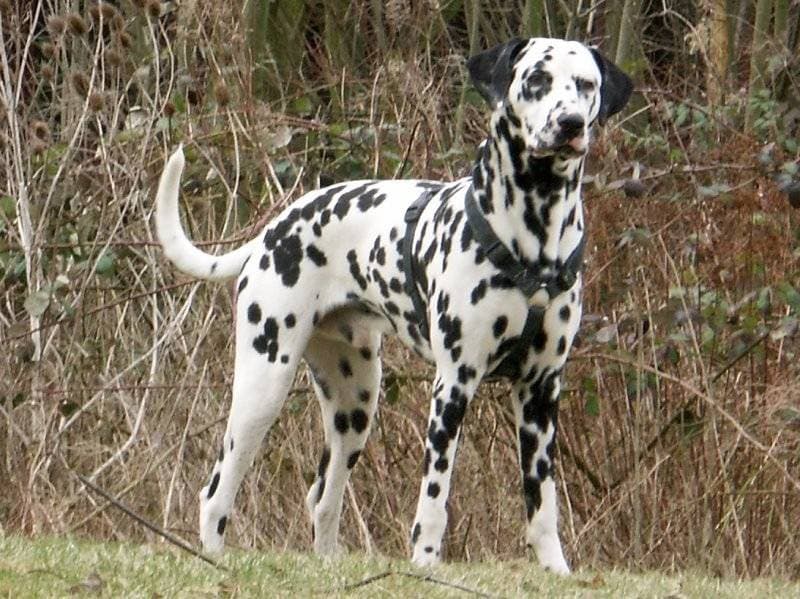
The Dalmatian's spotted coat is distinctive, but prospective owners should look beyond appearance. Plan for daily activity, training and companionship, and assess the individual dog's needs. A large garden is useful only when it is secure and forms part of a broader care routine.
Exercise with a sensible progression
Offer walks, sniffing and interactive games appropriate to age and fitness. A growing puppy should not be expected to run beside a bicycle or join demanding sports without veterinary guidance. Build activity gradually and provide comfortable rest.
Teach recall and loose-lead walking using rewards, with secure management near roads and other animals. Supervise children and do not assume friendliness means the dog will share food or tolerate unwanted handling. Use suitable toys rather than thrown sticks for retrieving games.
Ask about hearing and urinary health
The Dalmatian Club of America Foundation highlights congenital deafness and urate urinary stones among important breed health concerns. Ask for the puppy's hearing-test results and have the breeder explain relevant parental screening. Watching a puppy react to a sound is not a substitute for formal testing.
Discuss diet and urinary health with your veterinarian, including any known low-uric-acid ancestry or test results. Individual advice matters more than a generic menu from a breed article. Provide drinking water and regular toilet opportunities. Straining to urinate, blood in urine or repeated unsuccessful attempts needs prompt veterinary advice; inability to pass urine is an emergency.
Choose a balanced diet, not a raw-food assumption
Being a dog does not make raw meat automatically safer or nutritionally superior. CDC advises against raw pet food because it can carry germs that affect animals and people. Choose a complete diet suited to life stage and any medical needs, and ask your vet before using supplements or a homemade recipe.
Measure portions and track body condition rather than deciding intake only by whether a bowl was emptied. Persistent appetite changes deserve assessment. Keep food bowls clean and store food according to the manufacturer's instructions.
Groom and inspect gently
Use an appropriate brush to remove loose hair without scraping the skin. Check nails and paws, and inspect ears without inserting cotton swabs into the canal. Eye pain or unusual discharge should be assessed rather than routinely treated with an unspecified lotion.
No dog is guaranteed to be odorless. A new smell, itching or skin change can be a useful sign that care is needed. Before committing to a Dalmatian, review health records, meet adult dogs and budget for training and veterinary care as carefully as you plan exercise.