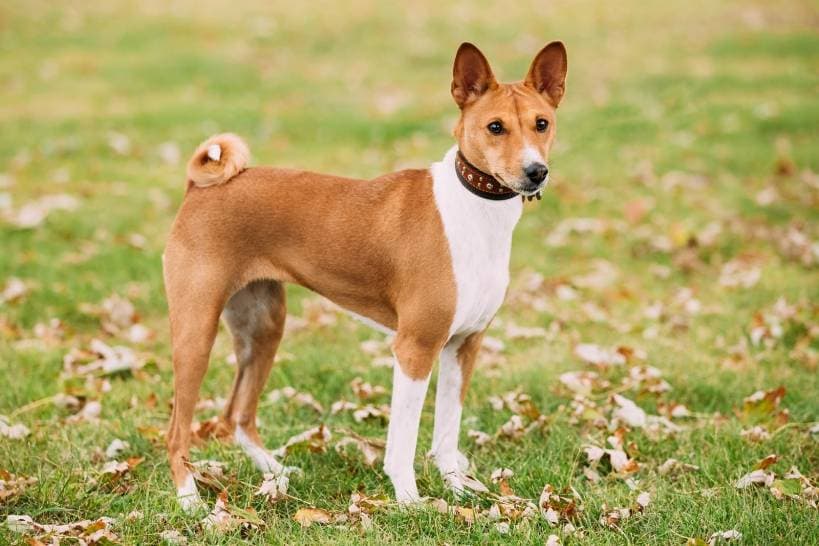
The Basenji is a small, athletic dog associated with Central Africa. Its upright ears, curled tail and alert expression are recognizable, but the familiar label "barkless dog" needs explanation. The American Kennel Club's Basenji profile describes a breed capable of distinctive vocalizations; barkless does not mean silent.
Voice and individuality
Basenjis may yodel, whine, growl or make other sounds. A household choosing one solely to avoid noise may be disappointed, especially if the dog becomes distressed when left alone. Ask about the individual dog's behavior rather than relying on a slogan.
Stories linking a modern breed directly to every similar-looking ancient image need caution. Likewise, a single import story does not establish when all dogs of the breed first entered a region. Its working background is more useful to an owner than an unsupported claim of exclusive ancient ancestry.
Make exploration secure
A Basenji may be strongly attracted to movement, scent and small animals. Use secure boundaries and well-fitted equipment, checking gates and possible climbing or squeezing routes. Practice recall in enclosed places and do not assume success indoors will hold around wildlife or roads.
Offer varied walks, sniffing and manageable training games. A garden alone does not meet every need. Build activity according to age and fitness, with opportunities to rest. Safe exercise does not require allowing the dog to chase or kill other animals.
Training with cooperation
Reward useful choices such as checking in, coming towards you and settling on a mat. Keep lessons brief and make the reward worthwhile. Independent behavior is not proof that a dog needs intimidation, and repeatedly shouting a cue does not clarify its meaning.
Build time alone gradually and arrange care when your schedule demands it. Persistent destruction, vocalizing or escape attempts deserve a review of the routine and, when needed, professional support. Another dog is not a guaranteed solution.
Care and choosing a companion
The short coat generally needs simple regular brushing, but nails, teeth, ears and skin still require attention. A clean-looking dog can have a medical problem. Ask about breed-relevant health screening, including Fanconi syndrome and eye concerns, and discuss the records with your veterinarian.
Introduce children and other pets carefully, using supervision and separate resting spaces. Some Basenjis live successfully with other animals, but compatibility cannot be promised for every individual. Budget for lifelong care rather than relying on an old advertised puppy price. Choose a dog whose needs fit your daily life, not just its unusual voice or appearance.
Keep identification and contact details current. Even a carefully managed dog may escape through an unexpectedly open door, so a recovery plan is worthwhile.