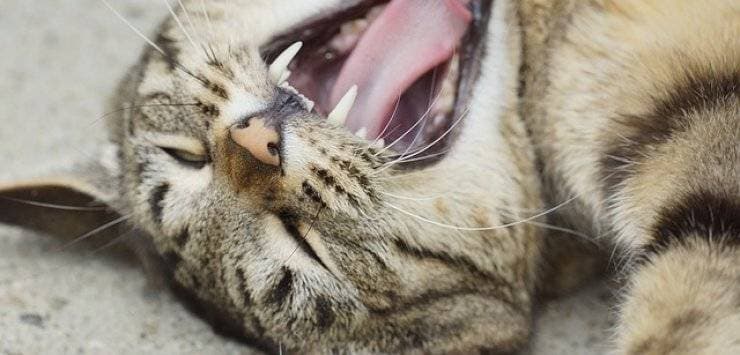
Dental disease can be painful even when a cat continues to eat. Bad breath, red or bleeding gums, drooling, dropping food or chewing differently deserve veterinary advice. Swelling around the face or an obvious oral injury should be assessed promptly.
Understand what home care can do
Plaque is a bacterial film that can accumulate on teeth and harden into tartar. Gentle brushing helps control plaque, but it does not remove all established deposits or treat every cause of mouth pain. Cats can also develop problems such as tooth resorption that require professional diagnosis.
Cornell's feline dental guidance explains the importance of routine assessment. If the mouth is already painful or inflamed, ask the veterinarian before starting brushing. Forcing contact may hurt and make future care more difficult.
Introduce brushing gradually
Begin with brief, comfortable handling around the face and reward calm cooperation. Progress to touching the lips and then using a suitable soft cat toothbrush when the cat is ready. Keep sessions short and concentrate on gentle contact rather than completing every tooth at once.
Use toothpaste intended for pets. Do not use human toothpaste, household cleaning products or improvised tools to scrape teeth. If the cat becomes distressed or there is bleeding or pain, stop and seek advice.
Choose additional products carefully
The Veterinary Oral Health Council lists products accepted for specified plaque or tartar-control claims. This can help guide a discussion with the veterinary team. Check that a product is intended for cats and follow its instructions.
Water additives, treats and dental diets are not interchangeable, and none should be described as a guaranteed replacement for brushing or veterinary treatment. Ordinary dry food does not automatically clean the teeth. Include treat calories in the feeding plan and avoid hard objects that may damage teeth.
Know when professional care is needed
A thorough veterinary dental procedure generally requires anesthesia so the mouth can be examined and treated safely, including areas below the gumline. Dental radiographs may reveal disease that is not visible on the surface. Discuss the assessment, anesthetic plan and aftercare with the clinic.
Removing visible tartar from an awake cat is not equivalent to a complete dental examination and treatment. Do not wait until eating stops before seeking help; continued appetite does not rule out significant pain.
Keep records of dental findings and follow the recommended recheck schedule. A manageable home routine and timely professional care work together to protect comfort, rather than relying on one product to prevent every problem.