Lists of the "most dangerous" dog breeds often mix very different questions: how frequently dogs show threatening behavior, how often bites are reported and how severe an injury can be. Those measures are not interchangeable. A small dog's bite matters, while a powerful dog's size can make an incident more damaging.
The American Veterinary Medical Association's review of dog bite risk explains the limitations of judging risk by breed. Population sizes, reporting, identification and the circumstances around an incident complicate comparisons. A ranking should not be used to declare an individual dog either safe or inevitably aggressive.
The ten breeds and types below appeared in many such discussions.
Dachshund
Dachshunds are active hunting dogs in small bodies. An individual may bark at strangers, protect a resting place or dislike certain handling, but describing the breed as having an inexplicable hatred of people is inaccurate.
Take growling seriously and consider discomfort, particularly if tolerance changes. Avoid lifting roughly or allowing children to crowd a resting dog. Small size is not a reason to ignore consent or to laugh at attempts to create distance.
Chihuahua
A Chihuahua can feel vulnerable when approached by large dogs or looming people. Being picked up unexpectedly may remove its ability to leave. Barking or snapping in that situation does not establish a naturally malicious character.
Offer choices, gentle handling and a protected resting area. Training should build comfort in ordinary situations rather than repeatedly exposing the dog to interactions it cannot escape.
Jack Russell Terrier
Jack Russell Terriers are often energetic and interested in movement. Their working background can inform expectations about chasing, digging and the need for activity. It does not prove that every individual will bite children or compensate for its size through aggression.
Provide suitable outlets and supervise play. Prevent access to small pets or wildlife when chasing is a concern.
Schnauzers
Miniature, Standard and Giant Schnauzers differ substantially in size. Treating them as one large breed makes a danger list confusing from the start. A Giant's strength creates handling considerations that do not apply in the same way to a Miniature.
Teach calm greetings and manageable leash skills early. A loud bark can be alarming but is not, on its own, a complete assessment of bite risk.
Rottweiler
Rottweilers are strong dogs, making secure management and early training important. Strength can influence the consequences of an incident, but it does not mean every Rottweiler is unsafe with people or other dogs.
Choose an individual whose needs match the household. A visitor plan, appropriate barriers and reliable everyday handling matter more than encouraging guarding.
Chow Chow
Some Chow Chows are reserved and prefer limited interaction with unfamiliar people. Their appearance can invite hugging, which a dog may find uncomfortable. Reserve should be respected rather than challenged as a test of friendliness.
Food guarding is not exclusive to this breed. If a dog stiffens over a bowl, avoid taking it away to prove a point. Use separation for meals and seek professional help to address the problem safely.
Pit bull-type dogs
"Pit bull" may refer to several breeds or to dogs identified by appearance, making statistics difficult to interpret. Neither claims of universal aggression nor promises that these dogs always recognize friend from foe are reliable.
Assess the individual, including its history with animals and people, physical strength and current behavior. Check applicable housing and local requirements before adoption. Where interactions with other pets are uncertain, secure separation and careful professional guidance are sensible precautions.
Papillon
Papillons are small companion dogs, but they still need rest, training and protection from rough play. A dog that is cornered or hurt may bite regardless of how decorative its appearance seems.
Teach children to invite interaction instead of grabbing. Provide places where the dog cannot be followed, and supervise at close range when children and dogs share space.
Cocker Spaniel
A sudden aggressive episode should not be diagnosed as "rage syndrome" from a breed name or a brief online description. Pain, fear, guarding and medical or neurological problems may require investigation. The Merck Veterinary Manual describes the need for a clinical assessment of behavior problems.
The claim that euthanasia is the only response to unexplained aggression is wrong. Management, treatment options and prognosis depend on a veterinary assessment, the actual behavior and the safety of those involved. Obtain qualified help promptly and prevent further risky encounters meanwhile.
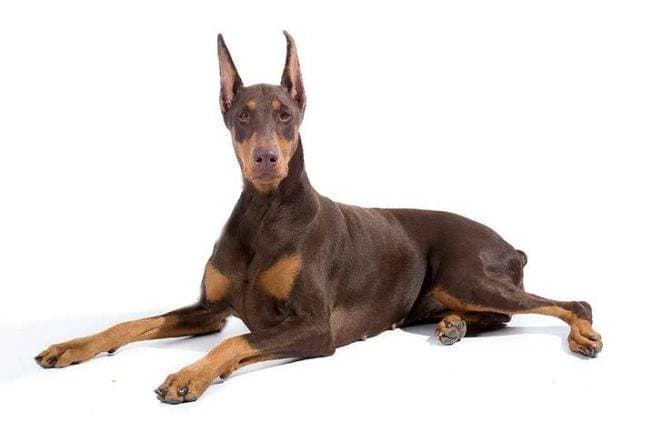
Doberman Pinscher
Dobermans have a working history and can be athletic, attentive companions. Their reputation does not mean they can reliably judge a person's intentions or should be encouraged to confront strangers.
Thoughtful social experiences, training and a realistic care routine are essential. Ask about behavior and health when selecting a dog, and avoid buying a puppy primarily as a guarantee of personal protection.
A better way to assess risk
Consider previous bites, warning behavior, triggers, health, the household environment and the owner's ability to manage the dog. No brief temperament test can promise lifelong safety.
For any breed, supervise children actively and separate them from dogs when attention is elsewhere. Give dogs undisturbed feeding and sleeping areas. Seek veterinary and qualified behavioral support for growling, snapping or sudden changes rather than waiting for an injury.