Lists of rare dogs often mix established domestic breeds with unusual regional populations and animals familiar in many countries. Tibetan Mastiffs, New Guinea singing dogs and Siberian Huskies should not be treated as interchangeable choices for an exotic pet. Their histories, behavior and practical needs differ substantially.
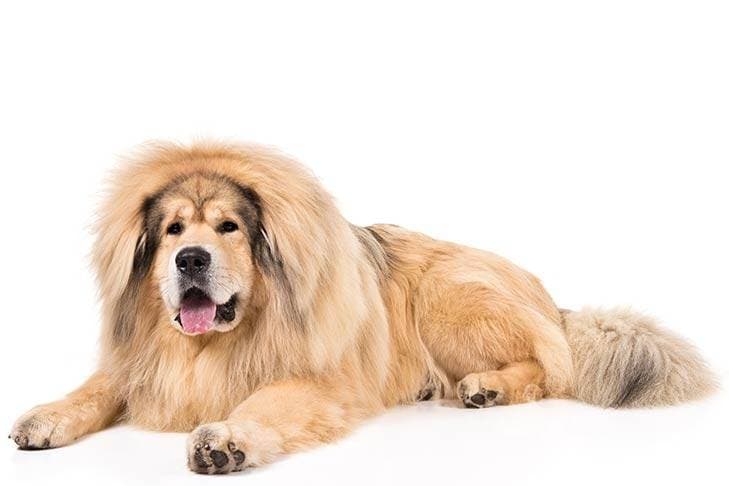
Tibetan Mastiff: a substantial guardian breed
The Tibetan Mastiff is a large, heavily coated dog associated with guarding roles in the Himalayan region. The AKC breed profile describes its independent and watchful character. That background calls for careful management of visitors and boundaries, not encouragement of uncontrolled aggression.
A dog may be affectionate with familiar people while remaining cautious around strangers. Socialization should build comfortable experiences and teach useful routines without forcing contact. A secure property and experienced, humane handling are more relevant than claims that the dog will automatically protect a household safely.
Tibetan Mastiffs are not immune to illness and cannot be promised a seventeen-year lifespan. Ask about relevant health screening, medical history and the needs of a large adult. Food, transport, veterinary care and secure equipment can be significant commitments.
Stories about priceless colors, extraordinary auction prices or blanket export bans need current evidence and a clear jurisdiction. They should not be used as practical buying advice. Verify provenance and any actual transport requirements independently before acquisition.
New Guinea singing dogs: a distinct history
New Guinea singing dogs are known for unusual vocalizations and their relationship to Oceanian dog populations. They are not accurately explained as a simple cross between a wolf and a dingo. Their classification and history require more care than a short rare-breed label suggests.
Research published in 2020 found a close genetic relationship between sampled New Guinea highland wild dogs and captive singing dogs. The study provides evidence about ancestry; it does not mean every claim about their behavior or suitability as pets has been established.
Captive populations and free-living highland animals should not be casually equated. Records, conservation context and the experience of the organization caring for them matter. Claims that they are impossible to study in the wild are outdated, while precise population estimates need dated sources.
Their agility and behavioral needs make ordinary pet assumptions unreliable. Raising an animal from a young age does not guarantee an easy household companion. Any proposed placement requires specialized knowledge, secure facilities and consideration of welfare and applicable rules.
Enjoying a distinctive howl is not a sufficient reason to acquire one. A zoo, conservation organization or other qualified source can provide context without encouraging an impulsive purchase. Do not take wild animals or support sellers whose claims and origin documents cannot be verified.
Siberian Husky: a familiar sled-dog breed
The Siberian Husky developed as a northern sled dog associated with Chukchi communities. It is an established domestic breed and is not universally rare. Its coat, endurance and often sociable character have made it familiar far beyond its region of origin.
The AKC Husky profile describes a medium-sized dog developed for sustained work. A modern pet still needs suitable activity and mental engagement, but exercise must reflect age, health and weather. Heritage is not permission to run a young or unconditioned dog to exhaustion.
Secure containment matters because some Huskies readily explore, dig or follow moving animals. Off-lead reliability must be assessed in the actual setting, and interactions with small pets require care. A friendly meeting with one animal does not guarantee safety with every other animal.
The double coat sheds and needs regular maintenance. It does not prevent overheating or eliminate the need for shelter and veterinary care. Eye color can vary, including differently colored eyes, but color alone does not establish health or temperament.
Compare care instead of prestige
For any dog, ask about its daily routine, history, health and response to handling. Consider how visitors, children, other animals and unavoidable absences will be managed. Meet suitable adult examples and speak with people who can describe difficulties as well as appealing traits.
Use reward-based training and arrange professional support early when behavior is challenging. Avoid anyone promising absolute obedience through harshness or suggesting that a powerful dog must be made aggressive to fulfill its role.
A responsible decision may be to choose a different dog or postpone ownership. The best match is the animal whose needs the household can meet consistently, not the one with the most dramatic history, highest price or rarest label.
Ask what support is available after placement and what happens if the arrangement proves unsuitable. Clear expectations are useful before a problem arises.