An unfamiliar breed can attract attention, but rarity is not a useful measure of suitability. The Azawakh and Broholmer differ greatly in build and background. Before considering either, learn what an adult needs and assess the individual dog's health and behavior.
Azawakh: a West African sighthound
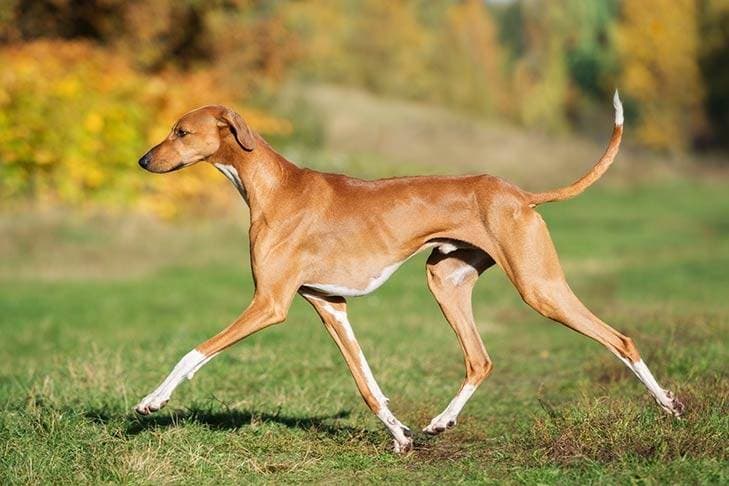
The AKC Azawakh profile identifies its origins in Burkina Faso, Mali and Niger. It is a tall, lean, short-coated sighthound, with a build quite different from a heavily muscled guardian breed. Its natural outline should be understood without assuming that every thin-looking dog is healthy or underweight.
A hunting background can mean strong interest in movement. Use secure exercise areas and suitable lead handling rather than assuming recall will overcome every chase opportunity. Claims of five-hour pursuits or a universal method of catching prey are not necessary to understand its care.
Introduce unfamiliar people and situations gradually. Some individuals can be reserved, and forcing greetings may increase discomfort. Reward calm behavior and provide space, rather than treating caution as something to correct through intimidation.
The fine coat means weather protection may be needed in cold or wet conditions. Exercise still needs to be adapted to heat, fitness and health. An African origin does not make a dog immune to overheating or dehydration.
Broholmer: a large Danish breed
The FCI Broholmer standard describes a large mastiff-type dog with a short coat and undercoat. Its stated adult weight ranges are 50–70 kilograms for males and 40–60 kilograms for females. Describing this giant dog as weighing only 55–65 pounds substantially understates its size.
The standard records a recovery effort beginning around 1975 after the breed had become very scarce. That history does not establish a current worldwide population or a fixed export quota. Check any present breeding or transport conditions directly with the relevant organization.
A composed appearance does not guarantee that every Broholmer is safe off lead around other animals. Assess the individual, maintain secure boundaries and practice useful skills with rewards. Its strength makes calm handling and reliable management especially important.
Compare everyday responsibilities
Both dogs need suitable activity, companionship and preventive care, but their routines will not be identical. Consider transport, equipment, grooming, visitor arrangements and the physical demands of handling an adult. A garden is not a substitute for exercise and training.
Ask breeders for relevant health-screening records and an honest account of the parents' behavior. For an adult adoption, obtain available history and allow time to settle. Pedigree and rarity cannot guarantee freedom from illness or behavior difficulties.
Choose a workable match
Meet adult examples when possible and ask owners about an ordinary week, including challenges. Avoid anyone promising effortless obedience or recommending harshness to establish authority. A responsible source should welcome practical questions.
Prepare a realistic budget and backup care before committing. The right dog is one whose needs can be met consistently, even when weather, work or family circumstances change. An unusual breed name should come after that assessment, not replace it.