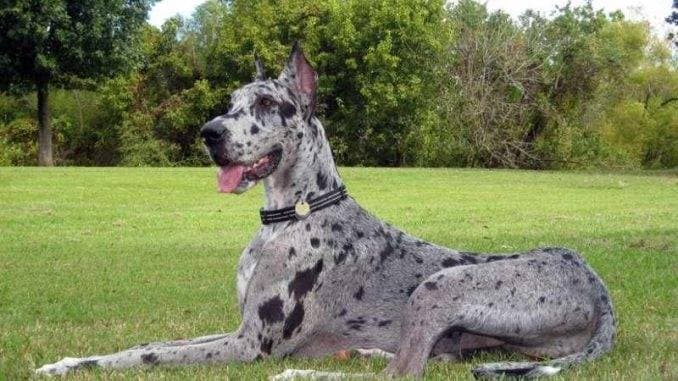
The Great Dane is a giant dog breed developed in Germany, despite its English name. The older label German Dane refers to the same breed. Its tall outline and short coat are recognizable, but the practical implications of size matter more than an impressive height measurement.
Appearance and individuality
Great Danes have long heads, deep chests and powerful bodies. Their natural ears fold down. Coat colors and patterns include fawn, brindle, black, blue, harlequin, mantle and merle, with details defined by the relevant registry's standard. Appearance alone does not establish pedigree or health.
Males are generally larger than females, but individuals vary. Do not select a puppy on a promise that it will become the tallest or heaviest possible dog. Sound movement, comfortable breathing and responsible health screening are more useful priorities.
A giant companion needs training
Many Great Danes are affectionate with familiar people, but no breed guarantees calmness or safety in every situation. Begin reward-based lessons early in loose-leash walking, waiting at doors, recall and settling. A habit that seems harmless in a puppy can be difficult to manage in a very large adult.
Introduce people and environments gradually without forcing contact. Supervise children and give the dog an undisturbed resting place. A friendly dog can still knock someone over accidentally, so teach calm greetings and use barriers when a situation is too busy.
Exercise and nutrition for growth
Provide age-appropriate walks and play while avoiding forced distance running or repeated high-impact jumping for growing puppies. Build adult fitness gradually and adapt activity to health and weather. A large garden does not replace interaction, training and exploration.
Feed a complete diet appropriate for large-breed growth when the dog is a puppy, and measure portions with veterinary guidance. Do not add calcium or extra supplements simply to encourage a bigger frame. Monitor body condition and support a lean, comfortable build.
Health and home planning
Ask breeders about recommended hip, heart, eye and thyroid screening and obtain the records. Great Danes can develop serious conditions, including heart disease and gastric dilatation-volvulus, often called bloat. A swollen abdomen with repeated unsuccessful retching, severe distress or collapse is an emergency.
Discuss individual preventive options with your veterinarian and keep emergency-clinic details accessible. Provide nonslip flooring, a supportive bed and a workable transport plan. Regular coat brushing, dental care and nail checks remain necessary even though the coat is short. The right home is prepared for the dog's full adult needs, not just the space a puppy occupies today.


